













Behavioral Mattresses


You may also like:
Cortech 6" x 36" x 80" Derby Pinnacle Plus Mattress | Bariatric Support (450 lb. Capacity)
Factory Direct Ships 4-6 Weeks! (Estimated) View Product

You may also like:
Cortech SEG-MAX Pinnacle Mattress – Ultra-Durable Correctional Support
Factory Direct Ships 4-6 Weeks! (Estimated) View Product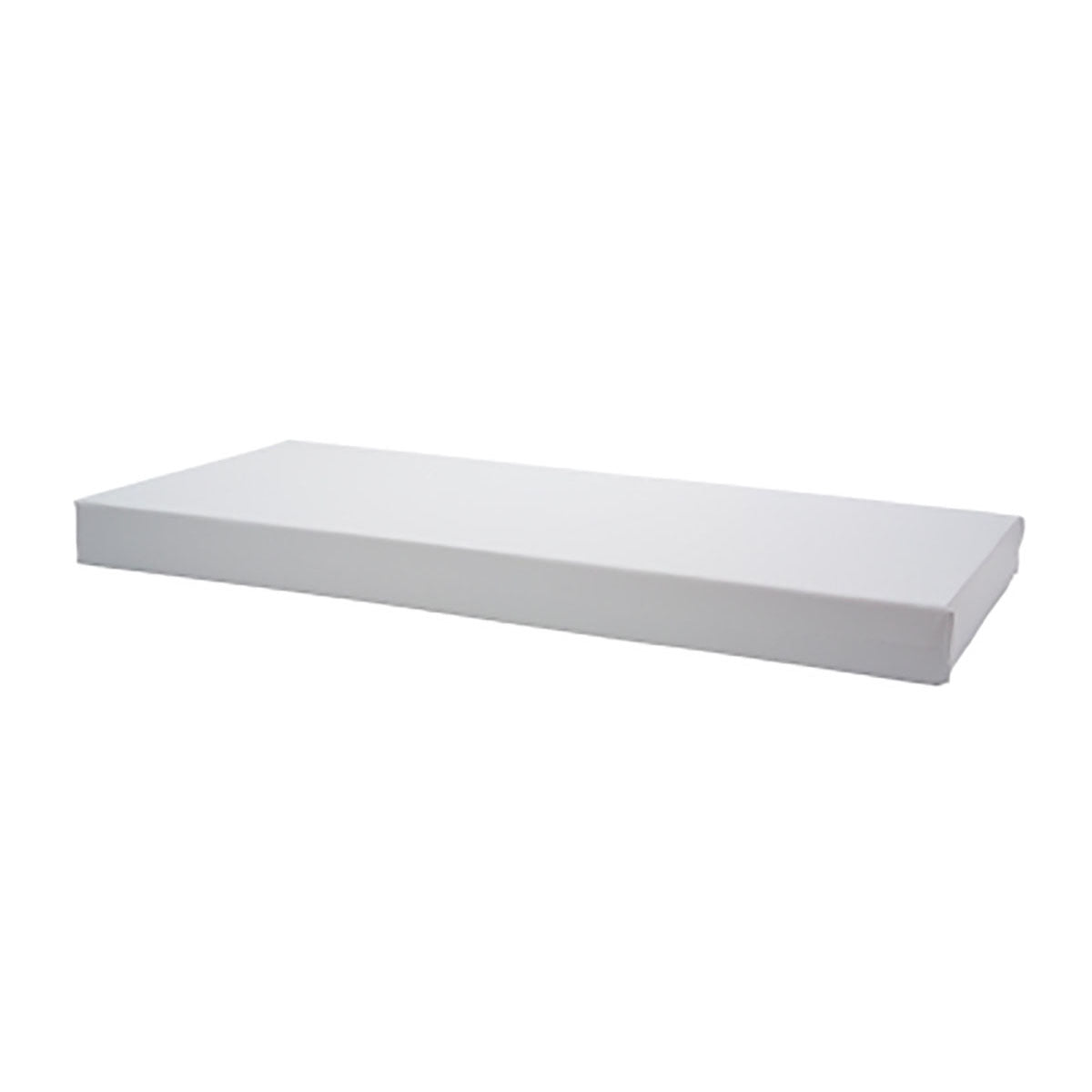
You may also like:
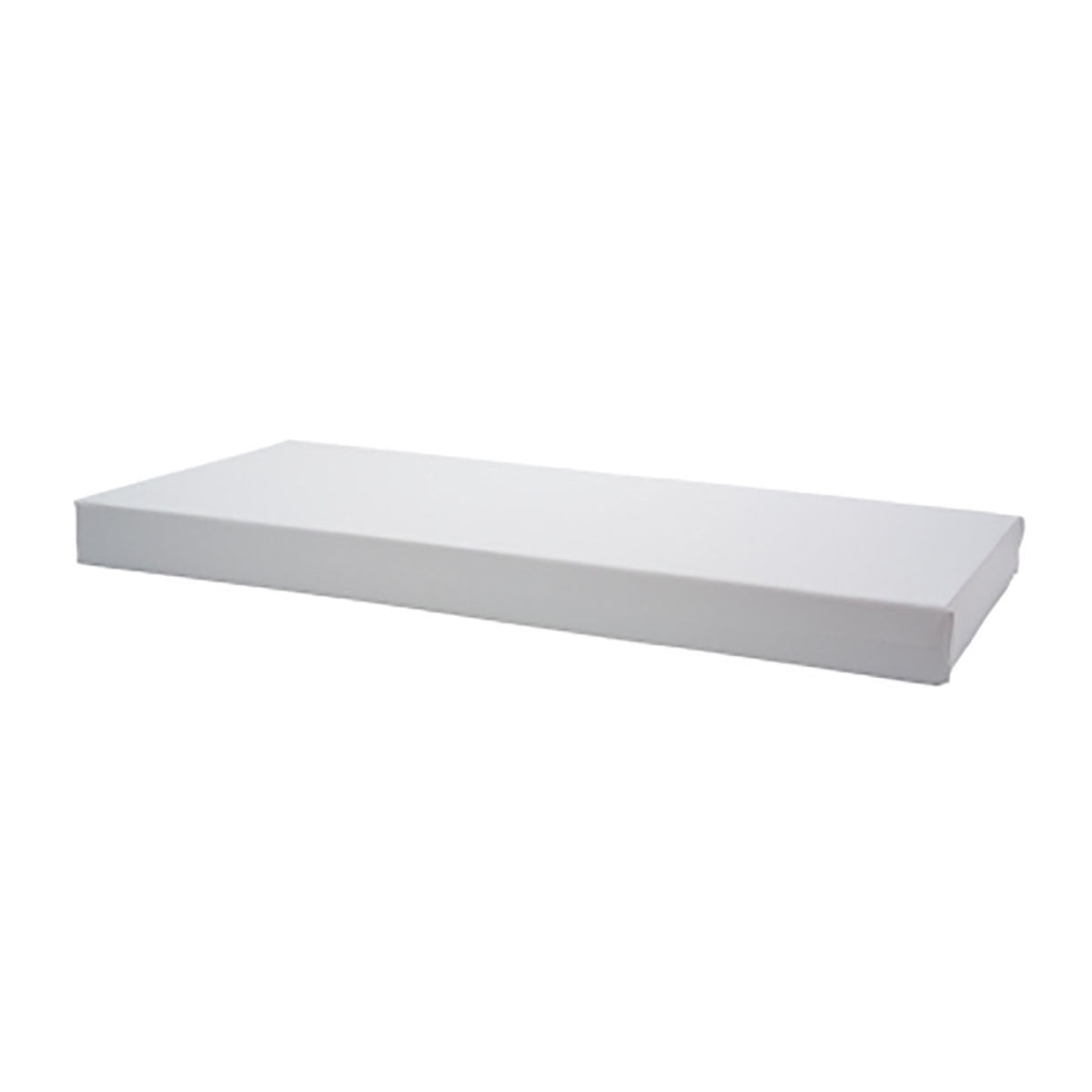
Cortech Standard Derby Pinnacle Mattress – Fluid-Resistant Institutional Support
Factory Direct Ships 4-6 Weeks! (Estimated) View ProductFrequently Asked Questions
Find answers to commonly asked questions below.
-
What makes a mattress ligature-resistant?
A ligature-resistant mattress features seamless or RF-welded construction without exposed stitching, tear-resistant vinyl covers that can't be ripped into straps, and dense polyfiber cores preventing concealment of contraband or creation of hanging points. These designs eliminate grip points and ensure any damage is immediately visible through breathable vents, enhancing safety in high-risk correctional environments. The puncture-proof materials withstand tampering while maintaining hygiene through fluid-resistant surfaces. Facilities choose them to reduce self-harm risks without sacrificing durability or comfort. Regular inspections confirm integrity, as even small cuts won't unravel the structure.
-
Are these mattresses fire-rated for prisons?
Yes, most correctional mattresses offered by leading manufacturers meet stringent fire-rating standards required for prisons, including California Technical Bulletin 129, 16 CFR Part 1632/1633, and NFPA 701. These certifications ensure the mattress resists ignition and flame spread during emergencies, protecting both inmates and staff. Flame-retardant vinyl covers and treated polyfiber cores pass rigorous flammability tests like ASTM E162 for surface burning. High-density foam provides support without compromising safety compliance. Always verify specific model certifications match your facility's codes before purchase.
-
What is a jail mattress?
A jail mattress is a specialized, durable sleeping surface designed for correctional facilities, featuring flame-retardant vinyl covers and high-density polyfiber or foam cores for security and hygiene. Unlike standard mattresses, it resists tearing, fluid penetration, and contraband concealment with seamless or double-stitched construction. Thickness typically compresses from 5 inches to 4.5 inches for firm support on metal bunks. These mattresses prioritize safety over plush comfort, meeting institutional fire and sanitation standards. They withstand heavy daily use while simplifying cleaning and inspections.
-
How thick is a jail mattress?
Jail mattresses generally measure 4 to 5 inches thick when compressed, with standard models listing 5 inches uncompressed that settle to 4.5 inches for firm institutional support. This thickness balances durability, fire resistance, and minimal comfort on metal bunks without creating ligature risks. Thinner profiles under 4 inches risk bottoming out, while thicker ones may harbor contraband. Manufacturers use dense polyfiber cores treated for flame retardancy to maintain this spec over years of use. Exact thickness varies by model—always check specs for your facility's bunk dimensions.
-
What is a jail cell bed called?
A jail cell bed is commonly called a bunk bed, slab, or platform bed, typically constructed from welded steel with no exposed fasteners to prevent weaponization or escapes. These fixed metal frames mount to walls or floors, often featuring lipped edges to secure thin mattresses. Double or triple bunks maximize space in crowded cells. Materials like stainless steel resist corrosion and simplify sanitation in high-moisture environments. Facilities select models certified for intensive use to ensure long-term safety and stability.
-
What is the leading cause of death in prisons?
Cardiovascular disease represents the leading cause of death in U.S. prisons, accounting for nearly one-third of fatalities, followed by cancer and respiratory conditions. Recent studies show rising cardiac mortality rates since 2012, often linked to untreated conditions and limited medical access during incarceration. Suicide leads among younger inmates, while heart disease dominates for those over 55. Drug overdoses, particularly fentanyl-related, rank high for younger populations. Comprehensive health screenings and treatment could reduce these preventable deaths significantly.