






AED Training
AED Training for hospitals, public agencies, care facilities and home users — shop the range at Rescue Supply. The collection includes 8 products chosen for everyday professional use.
You'll find Lifeline AED Standard Package – Complete Sudden Cardiac Arrest, Lifeline AUTO AED High-Capacity Package – Fully Automatic, Lifeline ECG Semi-Automatic FAA Approved Package and SAM 450P AED Aviation in the current lineup. Brands represented include Defibtech, Heartsine. Options span Lifeline AED Standard Package, Lifeline AUTO AED High-Capacity Package and SAM 450P AED Aviation, covering the configurations facilities and home users ask for most.


You may also like:
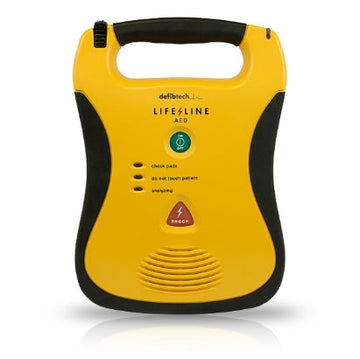
Defibtech Lifeline AED Standard Package – Complete Sudden Cardiac Arrest Response Station
Factory Direct Ships 2-3 Days! (Estimated) View Product
You may also like:
Defibtech Lifeline AUTO AED High-Capacity Package – Fully Automatic Life-Saving Support
Factory Direct Ships 2-3 Days! (Estimated) View Product

You may also like:
Defibtech Lifeline ECG Semi-Automatic FAA Approved Package
Factory Direct Ships 2-3 Days! (Estimated) View Product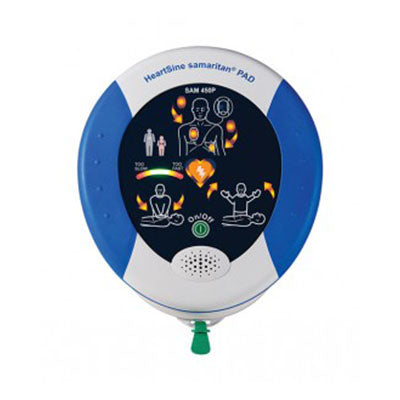
You may also like:
Heartsine SAM 450P AED Aviation
Factory Direct Ships 2-3 Days! (Estimated) View Product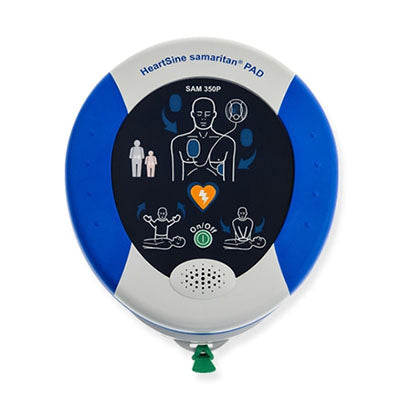
You may also like:
HeartSine Samaritan 350P AED Package
Factory Direct Ships 2-3 Days! (Estimated) View Product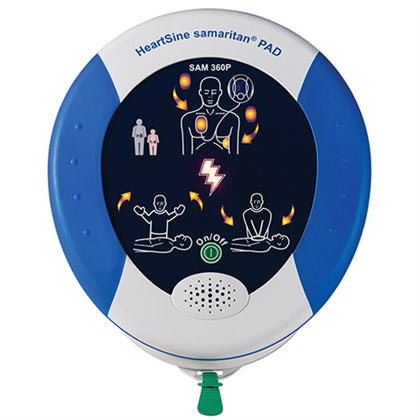
You may also like:
HeartSine Samaritan 360P AED
Factory Direct Ships 2-3 Days! (Estimated) View Product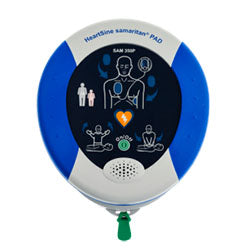
You may also like:
Heartsine Samaritan Fully-Automatic 360P AED for Aviation
Factory Direct Ships 2-3 Days! (Estimated) View Product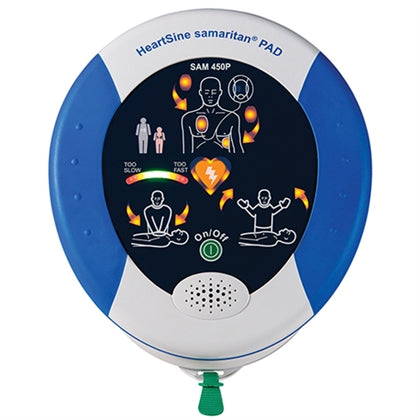
You may also like:
HeartSine samaritan PAD 450P AED | Integrated CPR Rate Advisor Defibrillator
Factory Direct Ships 2-3 Days! (Estimated) View ProductFrequently Asked Questions
Find answers to commonly asked questions below.
-
How do high-fidelity AED trainers, such as the Defibtech Lifeline VIEW, improve responder confidence compared to standard audio-only training units?
High-fidelity AED trainers improve responder confidence by providing a 1:1 visual and auditory simulation of the actual clinical environment rescuers will face during a cardiac event. Units like the Lifeline VIEW Trainer feature full-color video screens that mirror the live device's interface, allowing students to familiarize themselves with visual prompts and electrode placement in real-time. This multisensory approach is proven to increase retention rates and reduce "panic-induced" delays in high-stress scenarios. By simulating various rescue scripts, from shockable to non-shockable rhythms, trainers ensure that responders are prepared for every possible outcome. This technical accuracy is vital for bridging the gap between classroom theory and real-world application.
-
What are the technical requirements for CPR manikins and AED trainers to be considered compliant with the latest AHA/ERC guidelines?
Compliance with the latest AHA and ERC guidelines requires AED trainers and CPR manikins to provide real-time feedback on compression depth, rate, and chest recoil. Modern training equipment in our collection integrates advanced sensors and Bluetooth-enabled feedback modules that track these specific performance metrics for the instructor. These technical features ensure that students are not only performing the motions but are achieving the clinical efficacy required to sustain life. Many of our trainers also include updated software reflecting the most recent protocols for pediatric vs. adult energy delivery and rescue breaths. Utilizing compliant hardware is a non-negotiable requirement for organizations issuing formal certification cards.
-
Can your AED training collection accommodate high-volume institutional needs through bulk consumable replenishment and multi-unit training kits?
Our AED training collection is designed for institutional scalability, offering everything from individual simulation units to bulk packs of replacement electrodes and manikin hygiene supplies. For large-scale training centers and schools, we provide factory-direct fulfillment on high-volume orders to ensure that every student has hands-on access to equipment. We stock a wide array of specialized consumables, including simulated umbilical cords and arterial blood, to support diverse medical simulation curricula. Our logistics team can coordinate staggered shipments for nationwide organizations to ensure that training materials arrive ahead of scheduled certification windows. This comprehensive availability allows program directors to manage all their simulation assets through a single, reliable vendor.
-
What is the Total Cost of Ownership (TCO) benefit of using dedicated AED trainers versus using clinical units with training electrodes?
Dedicated AED trainers offer a significant TCO advantage by utilizing low-cost, reusable training pads and standard alkaline batteries instead of expensive clinical-grade lithium packs and single-use electrodes. A live AED's battery and pads are designed for 2-to-7-year standby and one-time use, making them prohibitively expensive for repeated classroom demonstrations. In contrast, training-specific hardware allows for hundreds of simulated cycles at a fraction of the operational cost per student. Furthermore, using trainers protects your live emergency equipment from unnecessary wear and tear or accidental discharge during practice. By separating training assets from clinical rescue assets, facilities can preserve their emergency budget while maintaining a high frequency of staff drills.
-
How do simulated medical supplies, such as venous blood and casualty moulage, enhance the realism of emergency medical technician (EMT) training programs?
Simulated medical supplies like venous blood and modeling clay are essential technical tools for casualty moulage, allowing instructors to create realistic injury patterns for EMT and first responder training. These materials help students overcome the "sensory shock" of a trauma scene, ensuring they can perform clinical tasks under the visual stress of a simulated bleeding or compound fracture. Our collection includes specialized products like Simulaids Cold Cream and Petroleum White to replicate various skin conditions and wound textures for advanced casualty simulation. These aids are non-toxic and designed to be used repeatedly on medical manikins without staining or degrading the high-density polymers. Integrating these tactile elements into your training program significantly elevates the technical proficiency of your response team.