







Falls are a serious safety concern for older adults in the United States. According to the CDC, falls are a leading cause of injury among adults aged 65 and older, and many happen in or around the home.
That concern feels different when it's your parent, your spouse, or yourself.
The encouraging news is that many falls can be prevented. Thoughtful home modifications can reduce everyday hazards and make it easier for older adults to remain safe, comfortable, and independent in familiar surroundings.
Aging in place means adapting your home to support changing mobility, balance, and accessibility needs rather than waiting until an injury forces a decision.
Quick answer: What are the most important aging in place home modifications?
Start with bathroom grab bars, safer shower access, secure entryway ramps where needed, improved lighting, clear walking paths, and appropriate seating or transfer equipment. The right modifications depend on the person's mobility and the home's layout.
This guide covers practical aging in place home modifications, room by room, and explains which changes may make the biggest difference.
1. Exterior and Entryway: Getting In Safely
For many seniors and wheelchair users, the front door is the first accessibility challenge. Steps that once felt effortless can become difficult when balance, strength, or mobility begins to change.
Wheelchair Ramps for Home Entrances
If your home has even one or two steps at the entrance, a wheelchair ramp may be one of the most useful modifications for someone using a wheelchair or mobility aid.
Under ADA accessibility standards, a typical maximum ramp running slope is 1 inch of rise for every 12 inches of ramp run. For example, a 24-inch rise requires at least 24 feet of ramp run at that slope, excluding required landings and other design considerations.
ADA requirements do not automatically apply to every private residence, but they provide a useful accessibility reference. Residential ramp design should account for the user's mobility equipment, available space, safe landings, and applicable local building codes.
Why Consider Modular Wheelchair Ramps?
Modular aluminum wheelchair ramps offer a flexible alternative to permanent concrete construction.
Modular Ramp Advantages
- Can be configured for different entrances
- Some systems can be reconfigured or relocated
- Often faster to install than concrete ramps
- Available with compatible landings and rails
- May suit temporary or changing mobility needs
What to Check Before Buying
- Entrance height and required ramp length
- Weight capacity and wheelchair dimensions
- Slip-resistant surface
- Landing space and turning clearance
- Handrails and edge protection where needed
- Local installation and permit requirements
Whatever ramp you choose, make sure its surface provides reliable traction in wet weather. Snow, rain, and debris can increase slipping risks, so regular maintenance is important.
Handrails and Grab Rails
Graspable handrails can provide additional stability when using stairs and ramps. Where required by applicable accessibility standards, handrails must meet specific requirements for placement, height, and extensions.
A qualified installer can help determine whether handrails are needed on one or both sides and how they should connect safely to the surrounding structure.
Threshold Ramps and Doorway Clearance
Even a small raised doorway threshold can create difficulties for wheelchair users, walkers, and people with limited balance.
Compact threshold ramps can make these transitions smoother when appropriately sized and installed.
For narrow doorways, offset hinges may increase usable clearance without requiring a complete door-frame replacement. The actual improvement depends on the existing door and hinge configuration.
Make Your Home Entrance Easier to Navigate
Explore wheelchair ramps and accessibility solutions designed to help people move more safely between indoor and outdoor spaces.
Explore Wheelchair Ramps2. Bathroom: One of the Highest-Risk Rooms
Wet floors, tight spaces, and the physical effort of stepping into a bathtub or standing in a shower can make bathrooms particularly challenging for older adults.
Improving bathroom safety is often one of the most valuable places to begin an aging in place plan.
Install Secure Bathroom Grab Bars
Grab bars provide a stable handhold when getting on or off the toilet, entering the shower, or changing position near the bathtub.
- Install bars near the toilet where needed.
- Position grab bars at shower entrances and bathing areas.
- Choose products with appropriate load ratings.
- Use secure mounting into suitable structural support.
- Check placement based on the user's reach and movement.
Safety tip: Grab bars must be properly anchored using a mounting method suitable for the wall construction and manufacturer's instructions. Suction-mounted accessories should not be treated as equivalent to securely installed weight-bearing grab bars.
Walk-In or Roll-In Showers
Stepping over a bathtub wall can be difficult for someone with reduced leg strength or balance concerns.
A curbless or roll-in shower can reduce barriers and provide additional room for mobility equipment or caregiver assistance.
If a full bathroom renovation is not practical, consider whether a shower chair, transfer bench, or professionally installed tub conversion could meet the person's needs.
Shower Chairs and Transfer Benches
A shower chair allows someone to bathe while seated, reducing the need to stand for extended periods on a wet surface.
A bath transfer bench extends across the bathtub edge so the user can sit before moving into the bathing area rather than stepping directly over the tub wall.
Shower Chair
Often suitable for people who can enter the shower but need seated support while bathing.
- Reduces prolonged standing
- Available with backrests and armrests
- Check seat height and weight capacity
Transfer Bench
May help people who have difficulty stepping over a bathtub wall.
- Allows seated movement across the tub edge
- Can reduce the need to lift a leg over the tub
- Requires suitable bathroom space and setup
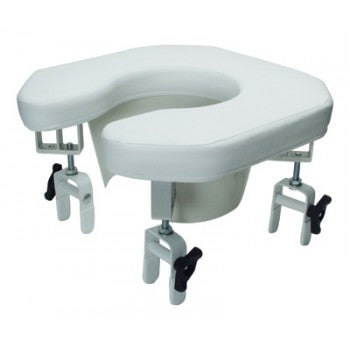
Raised Toilet Seats and Bedside Commodes
Getting up from a low toilet can be difficult for people with reduced leg strength, joint pain, or limited mobility.
Raised toilet seats can reduce the distance a person must lower themselves or rise from.
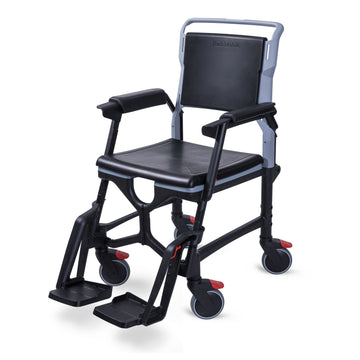
For someone who cannot safely reach the bathroom at night, a bedside commode may provide a practical alternative.
Look for adjustable height, stable construction, supportive armrests, and easy-to-clean surfaces. The correct choice depends on the user's transfer ability and bathroom layout.
Non-Slip Flooring and Bath Mats
Place a suitable non-slip bath mat in the bathing area where appropriate, and use a secure, slip-resistant mat outside the shower.
Remove loose rugs that can shift underfoot. If you are renovating, consider flooring designed to provide better traction in wet conditions.
Improve Bathroom Safety at Home
Find grab bars, shower chairs, transfer benches, raised toilet seats, and other bathroom safety equipment for daily use.
Shop Bathroom Safety Products3. Bedroom: Safer Movement Through the Night
Nighttime movement can be challenging when lighting is limited and someone is tired or unsteady.
The bedroom should support safe transfers, easy access to mobility aids, and a clear route to the bathroom.
Bed Height and Transfer Safety
Bed height should match the person's physical abilities and transfer needs. A bed that is too low may make standing difficult, while a bed that is too high can leave feet unsupported.
As a practical starting point, the person's feet should rest securely on the floor when seated at the edge of the bed, with a position that supports safe standing or transferring.
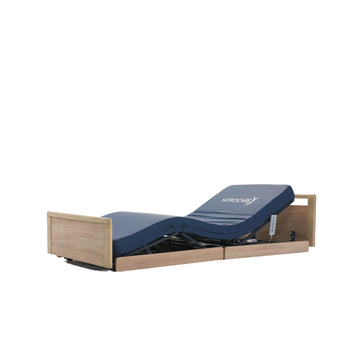
Adjustable beds may help accommodate changing mobility needs.
Bed Rails and Support Equipment
Some bed rails and bed-assist products are designed to support repositioning or transfers.
However, bed rails are not suitable for everyone. Improperly selected or installed rails can create entrapment and injury risks.
Important: Before purchasing an adult portable bed rail, review the manufacturer's compatibility instructions and consider a professional assessment of the user's needs and safety risks.
Geriatric Chairs and Lift Chairs
For someone who struggles to rise from a seated position, supportive seating can make everyday activities easier.
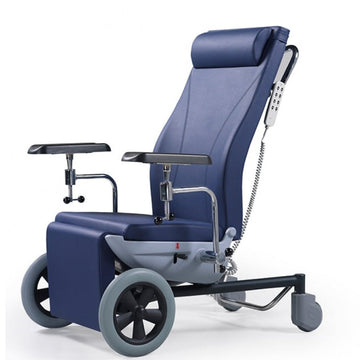
Geriatric chairs are available in different designs, including supportive reclining and positioning chairs.
A motorized lift chair is a specific type of seating that raises and tilts forward to assist the user when transitioning toward standing.
These products serve different needs, so it is important to check the chair's actual functions before buying.
What to Look for in Supportive Seating
- Seat height: Choose a height that supports comfortable transfers.
- Weight capacity: Match the chair to the user's weight and manufacturer limits.
- Controls: Look for simple controls if the chair includes powered features.
- Support: Consider armrests, back support, and appropriate positioning.
- Cleaning: Select upholstery that suits everyday care needs.
Nightlights and Clear Pathways
Install nightlights along the route from the bedroom to the bathroom. Motion-activated lighting can also help illuminate walking areas without requiring someone to search for a switch.
Remove loose rugs, trailing cables, clutter, and low furniture that could cause trips.
4. Living Areas and Common Spaces
Living rooms, hallways, and shared spaces should be easy to move through without unnecessary obstacles.
Small adjustments can make everyday tasks more manageable for people with arthritis, reduced grip strength, or limited mobility.
Doors and Accessibility
- Replace round doorknobs with lever handles
- Check doorway clearance for mobility devices
- Keep frequently used items within easy reach
Flooring and Walkways
- Remove or securely anchor loose rugs
- Keep walkways clear of cords and clutter
- Repair uneven or damaged flooring
Furniture and Seating
- Choose supportive chairs with stable armrests
- Avoid excessively low or soft seating
- Leave adequate room for walkers and wheelchairs
Lighting and Stairs
- Improve lighting in hallways and stairways
- Position switches for easier access
- Consider stair lifts where appropriate
- Install secure handrails on stairs
5. Where Should You Start?
Not every home needs a complete renovation. The best approach is to identify the areas creating the greatest difficulty and address them first.
Home Accessibility Checklist
- Check entrance steps and doorway thresholds
- Assess whether wheelchair ramps are needed
- Install secure grab bars where appropriate
- Evaluate shower and bathtub access
- Consider shower chairs or transfer benches
- Check toilet height and transfer support
- Review bed height and bedroom mobility
- Improve lighting in bedrooms and hallways
- Remove loose rugs and walking hazards
- Review supportive seating needs
- Check stair handrails and access between floors
An occupational therapist or qualified home accessibility professional can assess individual mobility needs and recommend appropriate changes.
6. Planning and Budgeting for Home Modifications
Aging in place modifications range from simple changes, such as installing nightlights or replacing door handles, to larger projects involving ramps, bathroom renovations, and stair lifts.
Costs depend on the products selected, installation requirements, local labor rates, and the home's existing layout.
Start by separating immediate safety concerns from longer-term accessibility improvements.
Budgeting tip: Prioritize improvements that address an existing safety or mobility problem. Ask for itemized installation quotes before committing to structural work, and check whether local assistance programs or eligible benefits may help cover expenses.
Some Medicaid Home and Community-Based Services programs and certain veterans' benefits may help eligible individuals with qualifying home modifications. Availability and requirements vary.
Make Your Home Work for You
Aging in place isn't about pretending that nothing changes as we get older. It's about making thoughtful improvements on your own terms, at your own pace, so your home supports the life you want to live.
The modifications that matter most are often practical rather than dramatic. A secure grab bar, an accessible entrance, better lighting, or the right transfer equipment can make everyday routines easier.
Start with the highest-risk areas. Build from there.
Explore Home Accessibility & Safety Equipment
Rescue Supply offers wheelchair ramps, bathroom safety products, and mobility support equipment to help you plan practical home accessibility improvements.
Explore Accessibility Products