







Dialysis Chairs
Browse Dialysis Chairs selected for hospitals, clinics and long-term care facilities. A focused selection, chosen for everyday professional use.
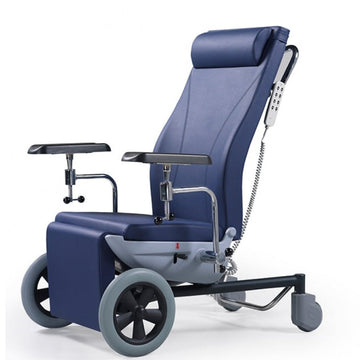
You'll find VITALIS 912 Motorized Dialysis and Chemotherapy Chair with, AURA 911 Chemotherapy and Dialysis Recliner Chair with and Lumi 908 Clinical Care Chair – Motorized Dialysis and Infusion in the current lineup. Options cover Lumi 908 Clinical Care Chair and related configurations for hospitals and care facilities.
Rescue Supply stocks dialysis chairs for hospitals and care facilities, with product specialists available to help match specifications, quantities and delivery timelines to your program.
Outfitting a dialysis or infusion suite? Our dialysis chairs for treatment facilities page brings the motorized models together with positioning and capacity guidance for buyers.


You may also like:
Nitrocare AURA 911 Chemotherapy and Dialysis Recliner Chair with Trendelenburg Function
Factory Direct Ships 2-3 Days! (Estimated) View Product

You may also like:
Nitrocare Lumi 908 Clinical Care Chair – Motorized Dialysis and Infusion Treatment Recliner
Factory Direct Ships 2-3 Days! (Estimated) View Product

You may also like:
Nitrocare VITALIS 912 Motorized Dialysis and Chemotherapy Chair with Trendelenburg and Bariatric Rating
Made to Order Ships in 10-12 Weeks! (Estimated) View ProductFrequently Asked Questions
Find answers to commonly asked questions below.
-
What specific ergonomic features distinguish these dialysis chairs from standard medical recliners?
These dialysis chairs are specifically engineered for long-duration treatment sessions (typically 4 hours), featuring high-density foam padding and multi-position adjustability to prevent pressure ulcers and patient fatigue. Unlike standard recliners, they often include specialized armrests that are wider and adjustable to support the patient's arm comfortably during fistula access and cannulation. Additionally, many models feature integrated side tables for dialysis machines or personal items, optimizing the limited space in treatment bays.
-
Are these chairs rated for bariatric patients, and what is the maximum weight capacity?
Yes, our collection includes robust models like the Nitrocare Vitalis which are built on reinforced steel frames designed to support a wide range of patient body types, including bariatric needs. While standard clinical chairs typically support up to 350 lbs, specialized bariatric dialysis chairs in this category can often accommodate up to 500+ lbs (check specific model specs) without compromising stability or motor function. This ensures your facility remains compliant with inclusivity standards for all patients.
-
How do the electrical adjustment mechanisms operate during a power failure or emergency?
High-end electric dialysis chairs are typically equipped with a battery backup system or a manual quick-release mechanism. This ensures that in the event of a facility power outage, the chair can still be adjusted to a safe position for patient transfer or emergency intervention. The intuitive hand pendants allow patients to adjust their own position for comfort, but staff override controls are available on select models to ensure immediate response capability.
-
What materials are used for the upholstery, and are they compatible with hospital-grade disinfectants?
The upholstery is crafted from medical-grade, antimicrobial vinyl that is specifically treated to resist stains, fluids, and bacteria. This seamless or minimal-seam design eliminates crevices where pathogens can hide, allowing for rigorous cleaning protocols using standard hospital-grade disinfectants (such as bleach solutions or quaternary ammonium compounds) without cracking or peeling over time. This durability is essential for high-turnover clinics requiring frequent sanitization between shifts.
-
Do these models support the Trendelenburg position for managing hypotensive episodes?
Absolutely. A critical safety feature for any dialysis-specific chair is the ability to rapidly deploy the Trendelenburg position (feet elevated above the head). This function is vital for managing patients who experience sudden hypotension (low blood pressure) during treatment. By quickly inverting the patient, staff can increase venous return to the heart and stabilize the patient's condition immediately, a capability that standard waiting room recliners simply do not offer.