





Every year, millions of Americans find themselves unprepared when a disaster hits. A hurricane rolls in faster than expected. A winter storm knocks out power for four days. A wildfire forces an evacuation with 30 minutes' notice.
In those moments, the difference between panic and calm often comes down to one thing: whether you built your emergency kit before you needed it.
FEMA recommends that households maintain at least 72 hours of emergency supplies to help them remain self-sufficient until help arrives or conditions improve. In areas with a higher risk of prolonged disruptions, preparing for up to two weeks can provide additional security.
Quick answer: What should an emergency kit include?
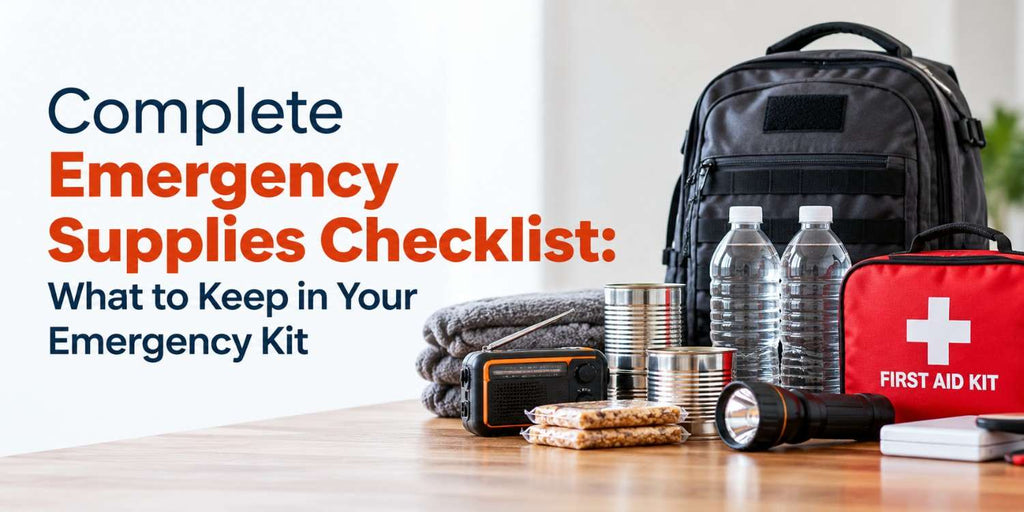
Start with drinking water, non-perishable food, a first aid kit, flashlights, a weather radio, emergency tools, important documents and a charged portable power bank. Prepare at least three days of supplies for everyone in your household, including pets.
Here's exactly what to stock, how much you need, and why each item deserves a place in your emergency preparedness kit.
1. Water: The Non-Negotiable First Step
Start here. Access to safe drinking water is essential during a disaster, especially when public water supplies are disrupted or contaminated.
What water supplies should you store?
- Commercially sealed bottled water or packaged emergency drinking water.
- Food-grade water storage containers. Five- to seven-gallon containers can work well for household storage.
- Water purification tablets or a portable water filter for backup use, following the manufacturer's treatment instructions.
Storage tip: Keep water in a cool place away from direct sunlight, gasoline and household chemicals. Replace self-filled stored water every six months. Follow the expiration or storage guidance for commercially packaged water.
2. Food: Practical, Not Impressive
You don't need a gourmet emergency pantry. You need food that stores well, requires minimal preparation and that your family will actually eat under stress.
Stock at least three days of non-perishable food. Seven days or more is helpful if you have the space and budget.
Everyday Essentials
- Canned tuna, chicken, beans and soup
- Peanut butter
- Crackers and granola bars
- Dried fruit and nuts
- Instant oatmeal
- Ready-to-eat rice pouches
Household-Specific Supplies
- Baby formula and infant food
- Pet food and feeding supplies
- Food for special dietary requirements
- Easy-to-open packaged meals
- Comfort foods for children
- Manual can opener
Keep a manual can opener in your kit. It sounds obvious until the electricity goes out and you realize yours is electric.
Check expiration dates regularly and replace items before they expire. Choose foods that require little or no cooking, since power, refrigeration and clean water may be limited.
3. First Aid Kit: What Most Pre-Assembled Kits Are Missing
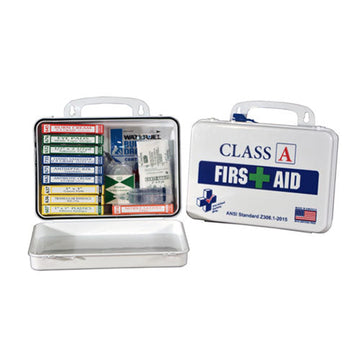
A first aid kit belongs on every emergency supplies checklist. But a basic store-bought kit may not contain everything your household needs during an extended emergency.
A well-stocked emergency first aid kit should cover minor injuries, basic wound care and the specific medical needs of your family.
Wound Care Supplies
- Adhesive bandages in multiple sizes
- Sterile 4 x 4-inch gauze pads
- Medical tape
- Elastic bandages for sprains and strains
- Antiseptic wipes
- Antibiotic ointment
First Aid Tools
- Tweezers
- Blunt-tip scissors
- Disposable medical gloves
- CPR face shield
- Instant cold packs
- Basic first aid instructions
Medications
- Acetaminophen or ibuprofen, if appropriate
- Antihistamines
- Antacid tablets
- Regular prescription medications
- Copies of prescription information
Special Medical Needs
- Prescribed epinephrine auto-injectors
- Glucose tablets and diabetes testing supplies
- Extra prescription glasses
- Contact lens supplies
- Hearing aid batteries
- Other prescribed medical essentials
Important: Ask your healthcare professional or pharmacist about maintaining an emergency reserve of prescription medication. A 30-day supply may be useful where permitted and practical. Keep medicines stored according to their required conditions.
What About Workplace First Aid Kits?
Businesses have different requirements from households. OSHA regulation 29 CFR 1910.151 requires adequate first aid supplies to be readily available in applicable workplaces.
Employers should assess workplace hazards and choose supplies appropriate to their employees and working conditions. ANSI/ISEA Z308.1 provides a useful reference for workplace first aid kit contents.
Small offices may need different kits from warehouses, construction sites or larger commercial facilities. Consider the number of employees, injury risks, kit accessibility and restocking procedures.
Is Your First Aid Kit Ready for an Emergency?
Explore first aid and trauma supplies for households, offices and workplaces. Find the essentials you need before an emergency happens.
Shop First Aid & Trauma Kits4. Safety Tools Most People Overlook
These are the items people often forget until they're dealing with a power outage, evacuation or severe weather warning.
Keep your emergency tools accessible alongside your other supplies.
- Flashlights: Keep extra batteries or choose a hand-crank or solar-powered option.
- Emergency weather radio: A battery-powered or hand-crank radio can provide emergency broadcasts when internet or cellular service is unavailable.
- Whistle: Useful for signaling for help if you are trapped or injured.
- N95 respirators: Useful for certain airborne particles, including wildfire smoke, when properly fitted and used.
- Wrench or pliers: Keep appropriate tools for emergency utility shutoffs and learn when and how to use them safely.
- Multi-tool: A compact option for basic emergency tasks.
- Printed local maps: Helpful when GPS or mobile devices are unavailable.
Safety reminder: Only shut off natural gas if instructed by emergency authorities or if there is a suspected leak and it is safe to do so. Never attempt to restore gas service yourself.
5. Documents and Financial Records
When you have to leave home quickly, you shouldn't need to spend valuable time searching for important paperwork.
Keep copies of essential documents in a waterproof, portable folder or bag.
- Government-issued IDs and passports
- Home, health and auto insurance policies
- Important banking and financial information
- Medical records and prescription details
- Lease or mortgage documents
- Written emergency contact list
Keep original documents in a secure, fire-resistant location at home. Consider encrypted digital backups in a trusted, secure storage service.
6. Communication and Power Backup
Power outages affect more than lighting. They can interrupt communication, access to weather alerts and your ability to contact family members.
Prepare your emergency communication supplies before an outage occurs.
- Charged portable power bank for mobile devices
- Hand-crank or solar emergency radio
- Spare batteries in the sizes your devices use
- Emergency contacts written on paper
- Your local NOAA Weather Radio frequency
- Address and directions to the nearest designated emergency shelter
Check your power bank periodically and recharge it according to the manufacturer's instructions. Make sure everyone in your household knows where communication supplies are stored.
7. Your Emergency Supplies Checklist
Use this checklist when building or reviewing your emergency kit. You can print this section and keep it with your supplies.
Water and Food
- 1 gallon of water per person per day
- At least 3 days of non-perishable food
- Manual can opener
- Food and water for pets
- Infant supplies if needed
First Aid and Medical Supplies
- Complete first aid kit
- Bandages, gauze and medical tape
- Disposable gloves
- Required prescription medications
- Allergy-response medication if prescribed
- Special medical supplies
Safety Tools
- Flashlight and extra batteries
- Emergency weather radio
- N95 respirators
- Whistle
- Multi-tool or wrench
- Printed local maps
Important Documents
- Copies of identification documents
- Insurance and financial records
- Medical information
- Written emergency contact list
- Waterproof document folder
Power and Communication
- Charged portable power bank
- Phone charging cables
- Extra batteries
- Local emergency shelter information
Being prepared doesn't mean anticipating every possible disaster. It means making a simple decision now so that, if something goes wrong, you're not making that decision under pressure.
Start with water and a first aid kit. Build from there.
Build Your Emergency Kit Before You Need It
From emergency drinking water and first aid kits to safety tools and communication supplies, explore essential products to help prepare your home or workplace.
Explore Emergency Supplies