








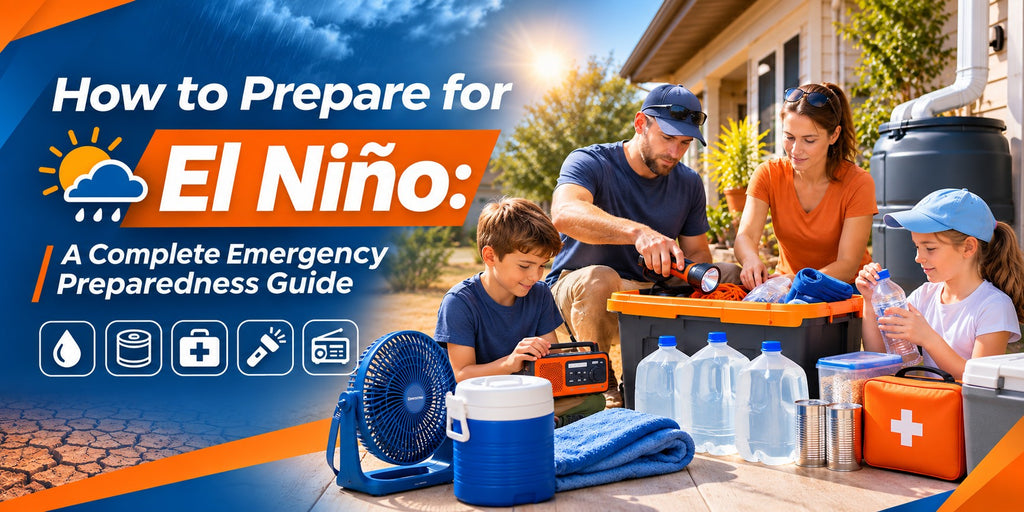
El Niño can bring significant changes in weather patterns, including extreme heat, prolonged dry conditions, drought, and increased pressure on water supplies. These conditions can affect households, businesses, healthcare facilities, schools, and emergency response operations.
Preparing ahead can help reduce disruptions and protect people, property, and essential resources. This guide covers practical steps for preparing for El Niño, building emergency supply reserves, and improving your facility's readiness.

Quick takeaway: Focus on water storage, emergency food, heat safety, backup power, communication plans, and regularly maintained emergency supplies. Preparing early can make a significant difference when extreme weather conditions occur.
1. Understand El Niño and Its Potential Impact
El Niño is a climate pattern associated with warmer-than-average sea surface temperatures in the central and eastern tropical Pacific Ocean. It can influence weather patterns around the world, although its effects vary by region and season.
In the United States, El Niño may influence precipitation, temperature, and storm patterns. The exact effects depend on location, timing, and the strength of the climate pattern.
Southern United States
Some areas may experience increased rainfall and storm activity during certain El Niño seasons. Facilities should review drainage, flooding, and severe weather plans.
Northern United States
Some regions may experience warmer-than-average winter conditions and changing snowfall patterns.
Southwestern United States
Weather patterns can shift, potentially affecting precipitation, water availability, and seasonal preparedness needs.
California and Western States
Some El Niño periods can increase the potential for heavy precipitation and flooding, making drainage and emergency response planning important.
Because El Niño does not affect every location in the same way, monitor official local weather information and seasonal outlooks when planning your response.
2. Prepare an Emergency Food and Water Supply
Water availability is one of the most important considerations during prolonged dry conditions, drought, or disruptions to public water systems. Every household and facility should have a plan for maintaining access to safe drinking water.

Water Storage Recommendations
- Store at least one gallon of water per person per day for drinking and basic sanitation.
- Plan for at least three days of emergency water, and consider a longer supply when practical.
- Use clean, food-grade containers designed for water storage.
- Keep stored water in a cool location away from direct sunlight.
- Follow manufacturer instructions and public health guidance for water storage and replacement.
- Consider additional water requirements for children, medical needs, pets, and facility operations.
Emergency Food Supplies
Maintain a supply of nonperishable food that does not require refrigeration or extensive preparation.
- Canned food, vegetables, fruits, and ready-to-eat meals
- Protein bars and shelf-stable snacks
- Peanut butter, crackers, and other long-lasting food items
- Manual can openers and basic food preparation supplies
- Special dietary items for people with specific nutritional requirements
3. Protect Your Property and Prepare for Changing Weather
Even when preparing for heat and drought, it is important to consider other weather-related risks. El Niño can influence precipitation and storm patterns, and some areas may experience heavy rainfall or flooding.
Property Preparation Checklist
- Inspect roofs, gutters, and drainage systems.
- Clear debris from storm drains and downspouts.
- Check doors, windows, and other potential water entry points.
- Secure outdoor equipment and loose objects.
- Protect important documents, electronics, and essential equipment.
- Review evacuation routes and emergency access points.
For facilities, assign inspection responsibilities and document maintenance activities so that potential problems can be addressed before severe weather occurs.
4. Plan for Power Outages and Utility Disruptions
Extreme weather can place additional pressure on electrical systems and increase the need for cooling. A power outage can affect refrigeration, communication equipment, medical devices, security systems, and other essential operations.
Backup Power Preparedness
- Identify essential equipment that requires electricity.
- Maintain charged power banks and backup batteries.
- Inspect generators and follow manufacturer maintenance instructions.
- Keep flashlights and spare batteries accessible.
- Establish backup arrangements for temperature-sensitive medications and supplies.
- Never operate fuel-powered generators indoors or in enclosed spaces.
Healthcare facilities and businesses should identify critical operations that must continue during an outage and establish backup procedures before an emergency happens.
5. Protect Yourself and Others From Extreme Heat
High temperatures can create serious health and safety risks, particularly for older adults, young children, outdoor workers, and individuals with certain medical needs.
Heat Safety Measures
- Drink water regularly throughout the day.
- Limit strenuous outdoor activities during the hottest hours.
- Wear lightweight, breathable clothing.
- Use shaded or air-conditioned areas whenever possible.
- Check on older adults, neighbors, and individuals who may need assistance.
- Learn the warning signs of heat exhaustion and heat stroke.
Important: Heat stroke is a medical emergency. If someone shows signs of heat stroke, such as confusion, loss of consciousness, or very high body temperature, call 911 immediately and follow emergency dispatcher instructions.
6. Create an Emergency Communication and Response Plan
When weather conditions disrupt normal operations, clear communication helps people understand what to do and where to go. Families, businesses, schools, and healthcare facilities should establish an emergency communication plan in advance.
What Your Plan Should Include
- Emergency contact information for family members and staff.
- Primary and alternate meeting locations.
- Evacuation routes and shelter locations.
- Local emergency management and utility contact information.
- Procedures for communicating during power or internet outages.
- Special arrangements for individuals who need mobility or medical assistance.
Keep printed copies of important emergency contacts and procedures in an accessible location in case mobile devices or online services become unavailable.
7. Build a Complete Emergency Preparedness Kit
A properly stocked emergency kit helps households and facilities respond more effectively when normal services are interrupted. Review your supplies regularly and replace expired or damaged items.

Essential Emergency Kit Checklist
- Drinking water and emergency water storage containers
- Nonperishable food and a manual can opener
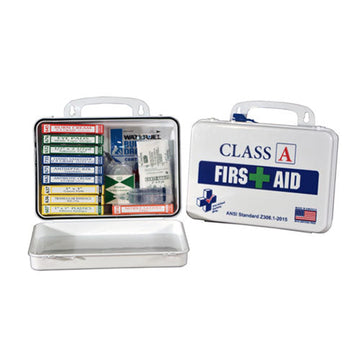
- First aid kit and essential medical supplies
- Flashlights and extra batteries
- Portable power banks and backup charging equipment
- Battery-powered or hand-crank radio
- Personal hygiene and sanitation supplies
- Emergency blankets and weather-appropriate clothing
- Whistle and basic emergency tools
- Copies of important documents and emergency contact information
Customize your kit based on the number of people, the facility's operations, and any special medical or accessibility requirements.
8. Help Businesses and Facilities Prepare for El Niño
Businesses, schools, healthcare facilities, warehouses, and government organizations should prepare for weather-related disruptions that could affect employees, visitors, equipment, and daily operations.

Facility Preparedness Checklist
- Review business continuity and emergency response plans.
- Identify essential operations and critical equipment.
- Maintain adequate emergency food, water, and first aid supplies.
- Inspect backup power systems and emergency lighting.
- Train employees on evacuation and emergency procedures.
- Establish procedures for checking on employees during extreme weather.
- Maintain an updated inventory of emergency supplies.
- Coordinate with local emergency management agencies when appropriate.
Institutional buyers and facility managers should also review supplier availability and procurement lead times. Ordering essential supplies before demand increases can help reduce the risk of shortages and operational delays.
9. Monitor Official Weather and Emergency Resources
Reliable information is essential when preparing for changing weather conditions. Use official government resources to monitor forecasts, seasonal outlooks, drought conditions, and emergency recommendations.
- National Oceanic and Atmospheric Administration (NOAA) – Weather, climate, and environmental information.
- NOAA Climate Prediction Center – Seasonal outlooks and El Niño monitoring.
- National Weather Service – Local forecasts, watches, and warnings.
- Ready.gov – Emergency preparedness guidance for households and organizations.
- Federal Emergency Management Agency (FEMA) – Disaster preparedness and response resources.
Check these resources regularly because weather conditions and official recommendations can change.
10. Maintain and Review Your Emergency Supplies
Emergency preparedness is an ongoing process. Supplies that are not inspected or maintained may become unusable when they are needed most.
Recommended Maintenance Schedule
- Monthly: Check flashlights, batteries, radios, and emergency equipment.
- Every three to six months: Review food supplies, water storage, and first aid inventory.
- Annually: Review emergency plans, contact lists, evacuation procedures, and staff training.
- After every emergency: Inspect used supplies, replace depleted items, and document improvements needed.
Assign a responsible person or team to monitor inventory and ensure that emergency supplies remain accessible, properly stored, and ready for use.
Final Thoughts: Prepare Early and Stay Ready
El Niño can influence weather conditions in different ways depending on location and season. While its exact impacts cannot be predicted for every community, households and organizations can take practical steps to improve their readiness.
Start with essential water and food supplies, review your emergency plans, prepare for heat and power disruptions, and monitor reliable weather information. Taking action early can help protect people, property, and critical operations when conditions change.
Be Ready When Every Second Counts.
Unexpected emergencies can happen at any time. Equip your home, workplace, or facility with essential survival and disaster preparedness supplies.
SHOP EMERGENCY SURVIVAL SUPPLIESDisclaimer: This article is for general informational and preparedness purposes only. Weather impacts vary by region, and this guide should not replace official emergency instructions, local weather advisories, or professional safety recommendations. Always follow guidance from local authorities and qualified emergency response personnel.