





Hospital Stretchers
Hospital stretchers move patients between the emergency department, imaging, surgery and the ward, and the same wheeled designs serve EMS crews outside the building. This collection brings together transport stretchers for hospitals, surgery centers, long-term care facilities and EMS services, from Nitrocare, Graham Field, ConvaQuip, MJM, Junkin Safety, FareTec and Kemp USA. It covers hydraulic, electric and manual lift models, pediatric stretchers, bariatric transport stretchers rated up to 1,000 lb, an MRI safe stretcher, a C-arm compatible model with a radiolucent deck, recliner stretchers that seat a patient upright or flatten for transport, and wheeled EMS stretchers and litter carriers for paramedic work. Check each product page for the capacity, deck height, rails and included accessories for that model.
For folding, basket, scoop, military and hospital models, see all stretchers.
- ✓Hydraulic and electric liftHydraulic and electric models raise and lower the deck for transfers and procedures.
- ⚖Up to 1,000 lb capacityBariatric transport stretchers carry up to 1,000 lb, with recliner stretchers rated to 850 lb.
- ◎Steering and brakingFifth wheel steering and central or dual brake systems on the Nitrocare transport models.
- ✚Imaging readyAn MRI safe model and a C-arm compatible stretcher with a radiolucent deck.
Buying for a facility, school, or agency?
- Request an institutional quote for multiple stretchers or a fleet order.
- Tax exempt orders accepted. Send your exemption certificate with your quote request.
- Talk to a product specialist: 800-239-1797.
Types of hospital stretchers in this collection
- General transport stretchers. Everyday in-facility transport between departments, such as the hydraulic Nitrocare GLIDE SD09 and the Graham Field G1050. A hospital stretcher bed, a mobile stretcher and a stretcher trolley are other names for this same equipment: a patient bed on wheels.
- Electric transport stretchers. Powered height adjustment for areas where staff raise and lower the deck often, such as the Nitrocare BREEZE SD15 with fifth wheel steering and a central brake system.
- Hydraulic stretchers. Foot-pedal hydraulics raise and lower the deck with no power source, as on the Nitrocare GLIDE SD09, SIGMA SD03 and LILO SD01-P. On these and the electric models, the hydraulic or powered lift is what adjusts stretcher height for transfers.
- Manual stretchers. Non-powered wheeled stretchers moved and positioned by hand: the folding Junkin JSA-604 wheeled stretchers with adjustable backrests, the Kemp USA folding stretcher with wheels, and the MJM self-propelled stretcher with large rear wheels for short moves inside a facility.
- Pediatric stretchers. Sized for young patients: the Nitrocare LILO SD01-P hydraulic pediatric stretcher with full-length safety rails, and the MJM pediatric sling gurney, rated to 300 lb, with locking casters and a three-position elevating headrest.
- Bariatric stretchers. Reinforced transport stretchers for higher capacities, including the Convaquip 1190 gurney rated to 1,000 lb, the Graham Field G1190 and ConvaQuip recliner stretchers rated to 850 lb.
- Imaging stretchers. The Graham Field 1000MR is built for MRI areas, and the Nitrocare SIGMA SD03 is C-arm compatible with a radiolucent deck for fluoroscopy.
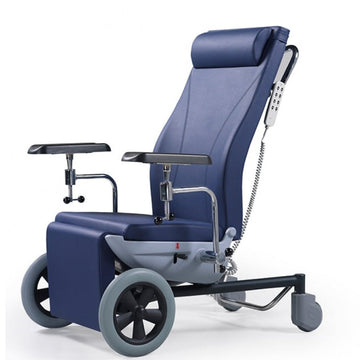
- Recliner stretchers and wheelchair stretchers. ConvaQuip 900 series models recline into clinical seating, so a patient can ride seated the way they would in a wheelchair, then flatten for stretcher transport. That convertible form is the wheelchair stretcher carried here, and it suits recovery and treatment areas.
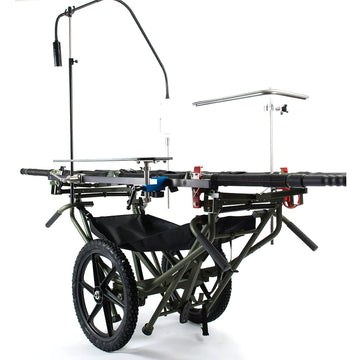
- EMS and paramedic stretchers. For work outside the ward, this collection carries the Junkin JSA-604 wheeled stretchers, which Junkin positions between folding litters and full-sized ambulance cots, and the FareTec EL2000 and EL3000 wheeled litter carriers, which let one or two bearers roll a litter patient over ground for paramedic, field hospital and evacuation work.
- Ambulance cots, cot lifts and air ambulance stretchers. Dedicated ambulance cots that lock into a vehicle mount, powered cot loading lifts, and aircraft-certified air ambulance stretchers are not currently listed in this collection. The wheeled EMS stretchers and litter carriers above are the closest carried equipment for ambulance and field work.
How to choose a hospital stretcher
- Work out the capacity you need. Add the patient weight to the weight of monitors, oxygen and IV equipment that will ride on the stretcher, and choose a rating above that total. Bariatric models in this collection reach 850 lb and 1,000 lb.
- Pick the height adjustment. Hydraulic models adjust by foot pump and need no power. Electric models adjust by hand control. Check the deck height range on each product page against your beds and procedure tables.
- Match the stretcher to imaging. For MRI suites, choose a model rated MRI safe. For fluoroscopy, choose a radiolucent deck that a C-arm can image through.
- Check the rails. Full-length safety rails help where falls are a concern, especially for pediatric and restless patients. Confirm the rail setup on the product page, because it varies by model.
- Consider steering and brakes. Fifth wheel steering helps one attendant guide a loaded stretcher down long corridors and into elevators. Central locking brakes hold the stretcher steady at the bedside.
- Measure your route. Compare the stretcher width and caster setup on the product page with your doorways, elevators and turning space before ordering. Widths vary widely by type: the Junkin JSA-604 wheeled EMS stretchers are 20.5 in wide when open, while the Convaquip 1190 bariatric gurney is 34 in or 44 in wide overall depending on the deck.
- Confirm accessories. IV poles, oxygen holders and pads are standard on some models and options on others. Confirm what each model includes and what it accepts before you order.
Care, cleaning and inspection
Clean the deck, pad and frame after each use with a facility-approved disinfectant, following the manufacturer instructions for that model, and let surfaces dry before the next patient. Inspect casters, brakes, side rails and the lift mechanism on a regular schedule, and remove the stretcher from service if a wheel wobbles, a brake does not hold, a rail is loose or the lift drifts. Pads are wear items: the store carries a wide range of replacement stretcher pads sized to major stretcher brands when a pad cracks or tears.
Delivery and freight
Hospital stretchers are large, heavy equipment, and some models in this collection ship as freight. Lead times vary by model: the Graham Field stretchers in this collection carry a 2 to 3 day lead time, the MJM stretchers 5 to 7 days, and the Junkin wheeled EMS stretchers 1 to 2 weeks, while other models state their lead time on the product page. Check the shipping note on the product page before ordering, and use the institutional quote page when you need a freight quote for several units.
Related collections: all stretchers, mortuary stretchers, stretcher pads.

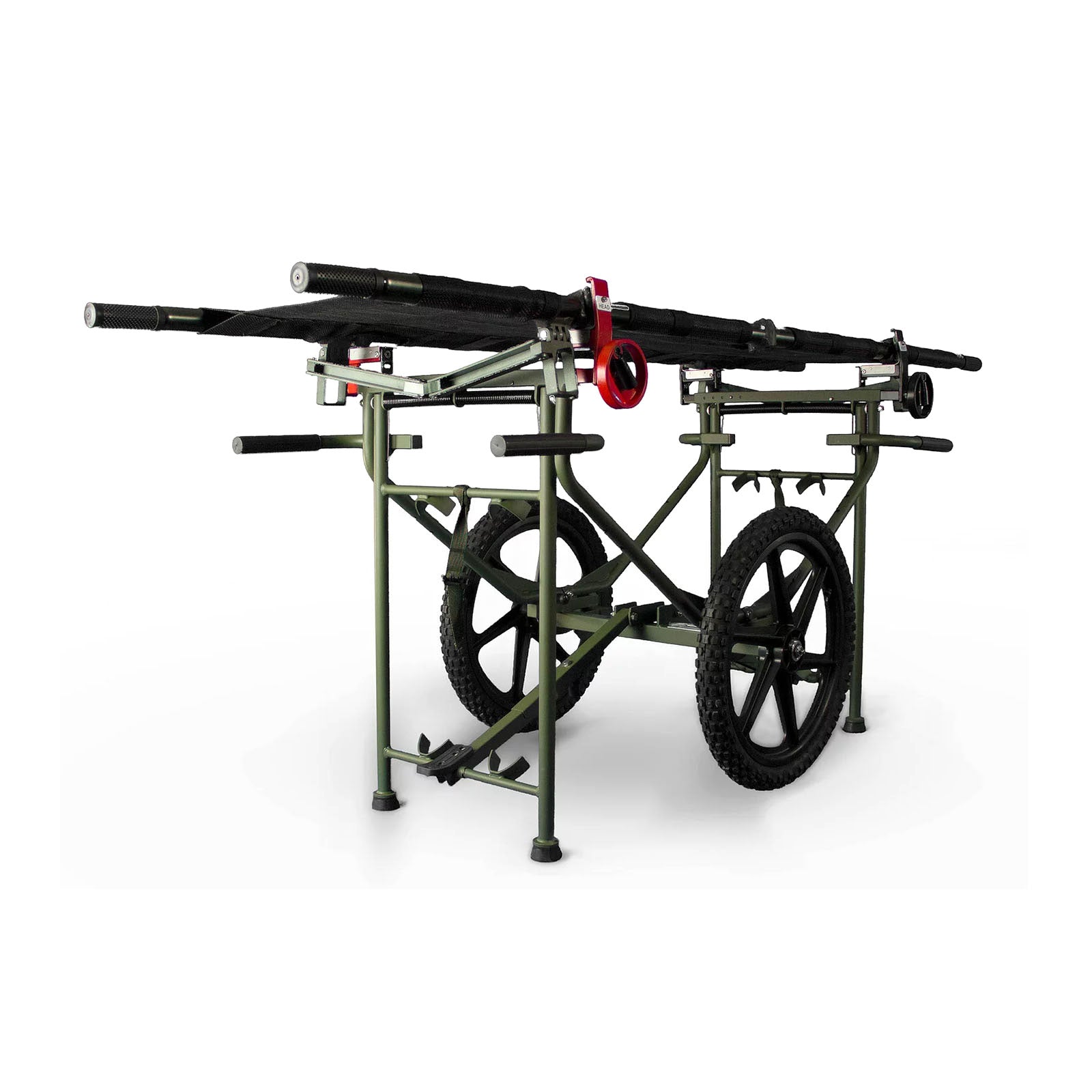
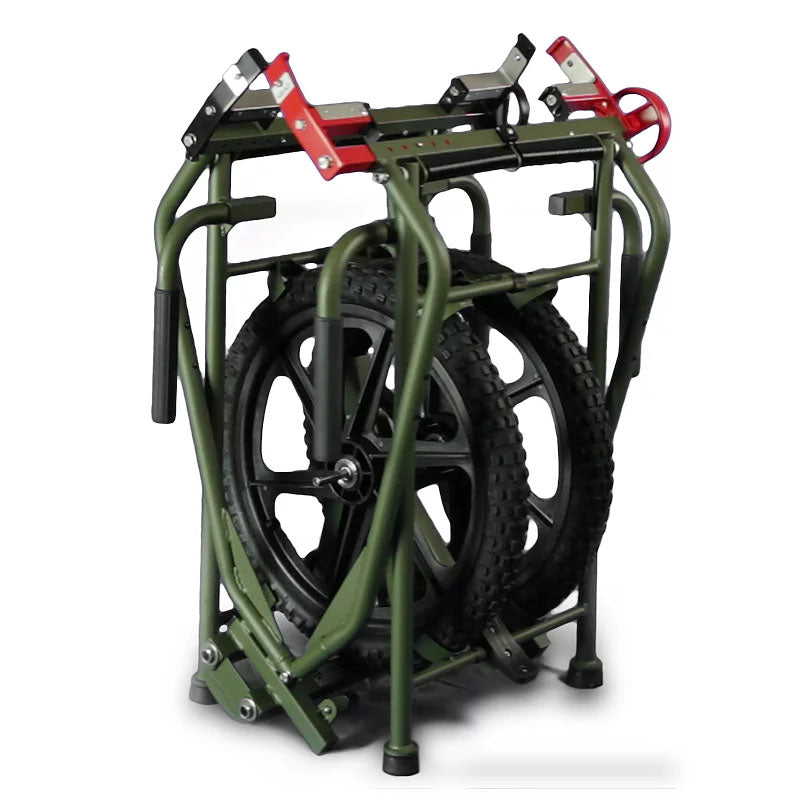
FareTec EL3000 NATO Wheeled Litter Carrier | NSN-Certified Military Field Stretcher Cart
Factory Direct Ships 2-3 Days! (Estimated) View Product
FareTec EL2000 2221027 Patient Transport Device, Orange, Dual Wheels - Wheeled Litter Carrier
Factory Direct Ships 2-3 Days! (Estimated) View Product

Kemp USA 10-977-BLU-WHL Folding Stretcher with Wheels, Blue Oxford Weave Fabric
Factory Direct Ships 2-3 Days! (Estimated) View Product
Graham Field G1190 Bariatric Transport Stretcher
In Stock Ships in 2-3 Business Days! (Estimated) View Product
Graham Field G1050 General Duty Transport Stretcher
In Stock Ships in 2-3 Business Days! (Estimated) View Product
Graham Field 1000MR MRI Safe Transport Stretcher
In Stock Ships in 2-3 Business Days! (Estimated) View Product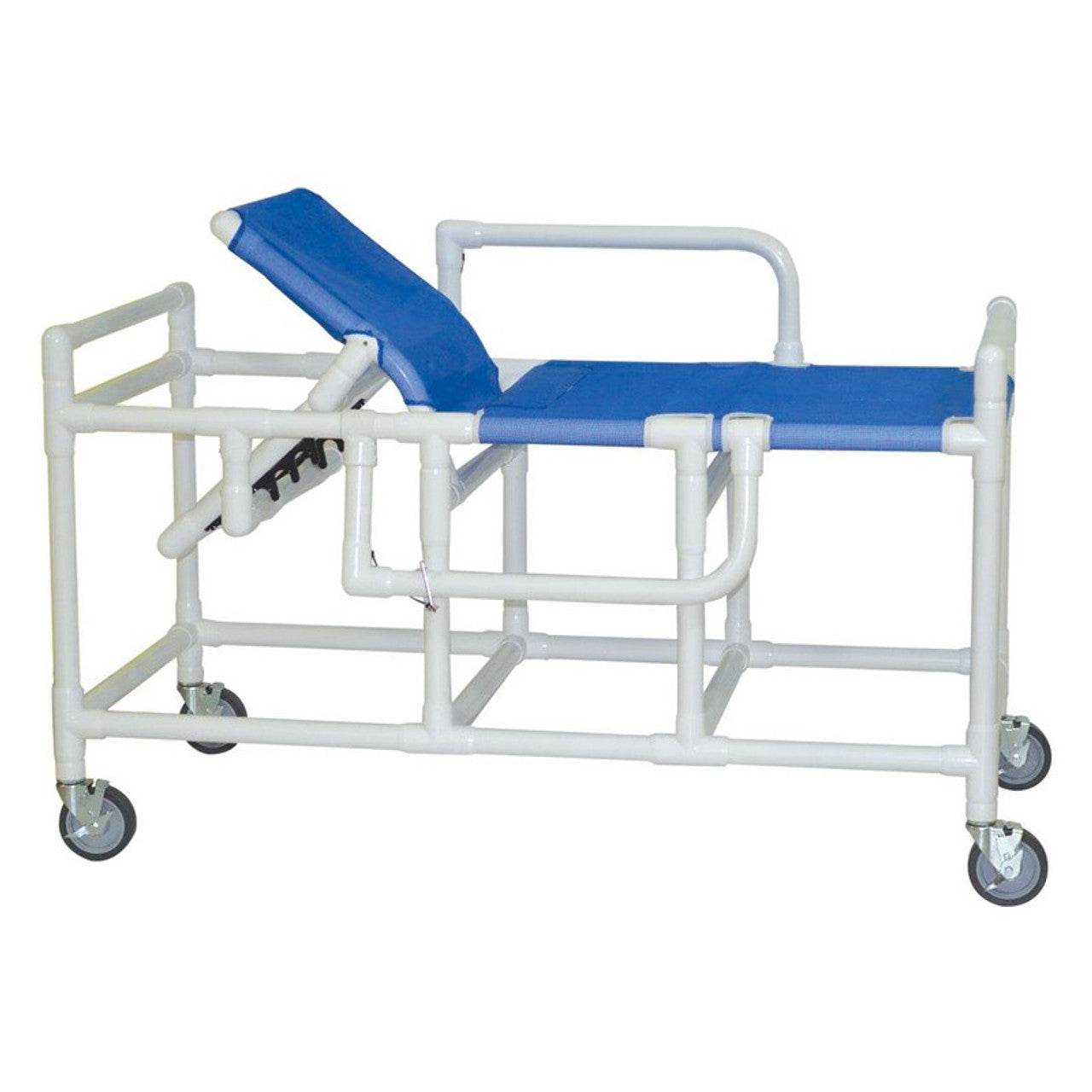
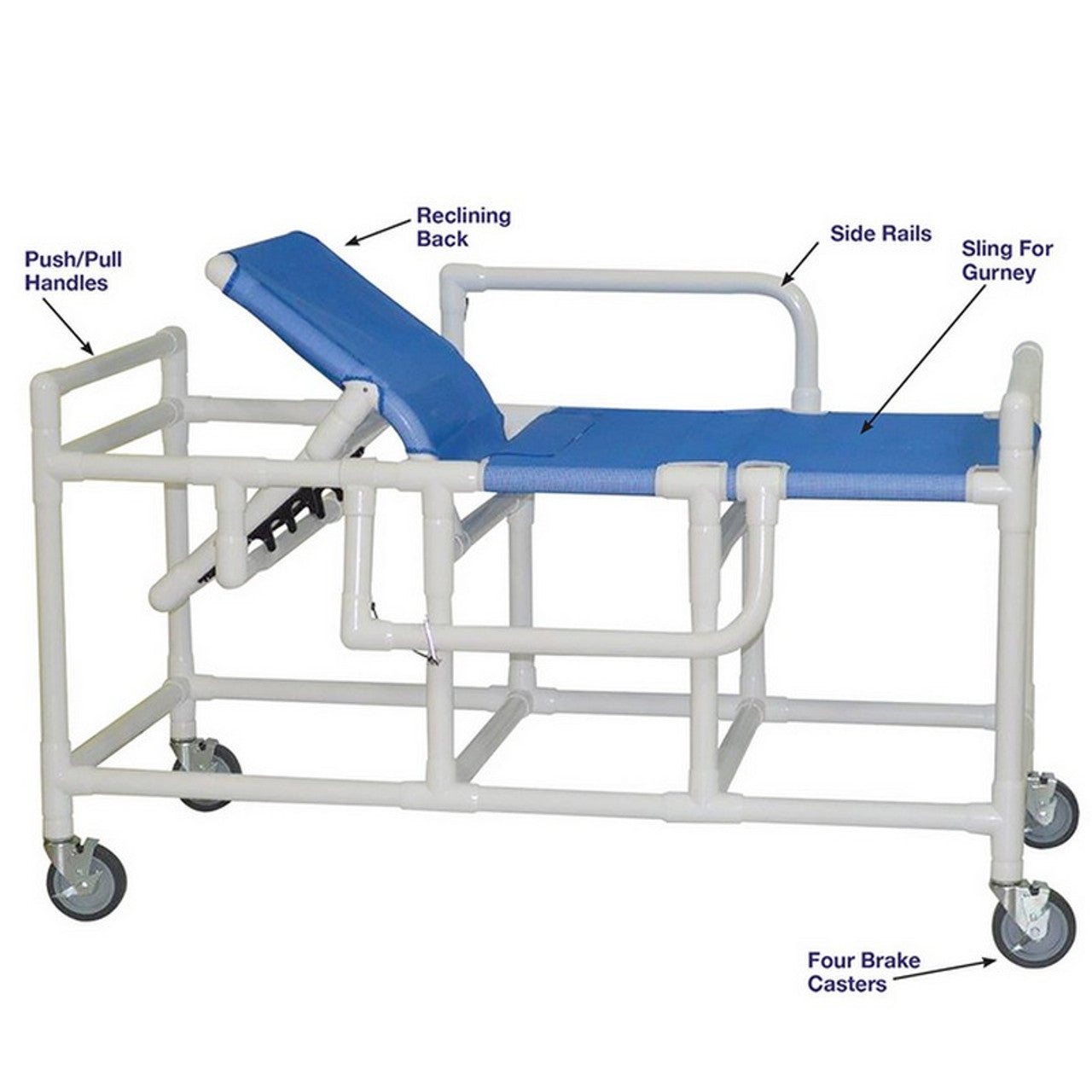
MJM Pediatric Sling Gurney
Factory Direct Ships in 5-7 Business Days! (Estimated) View Product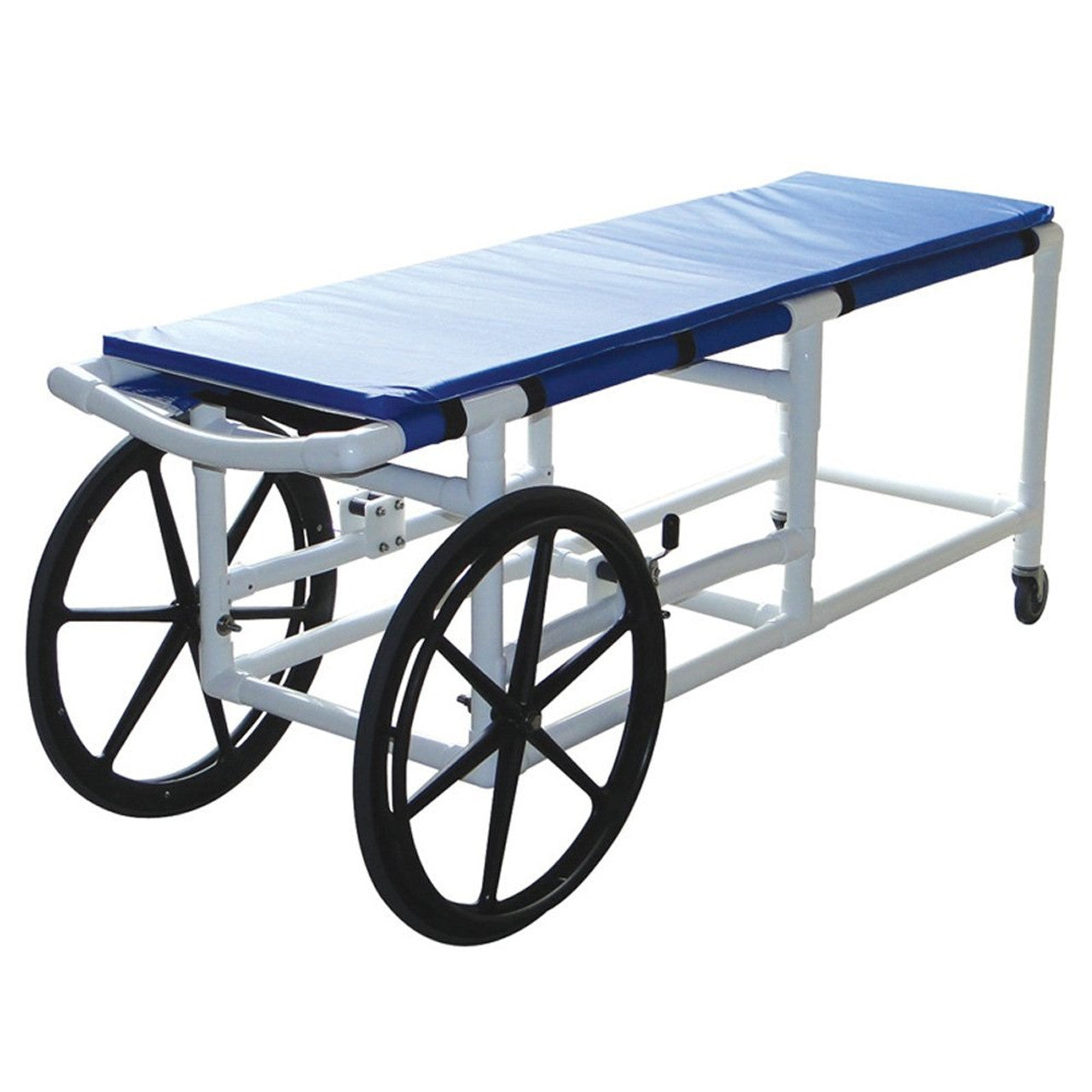
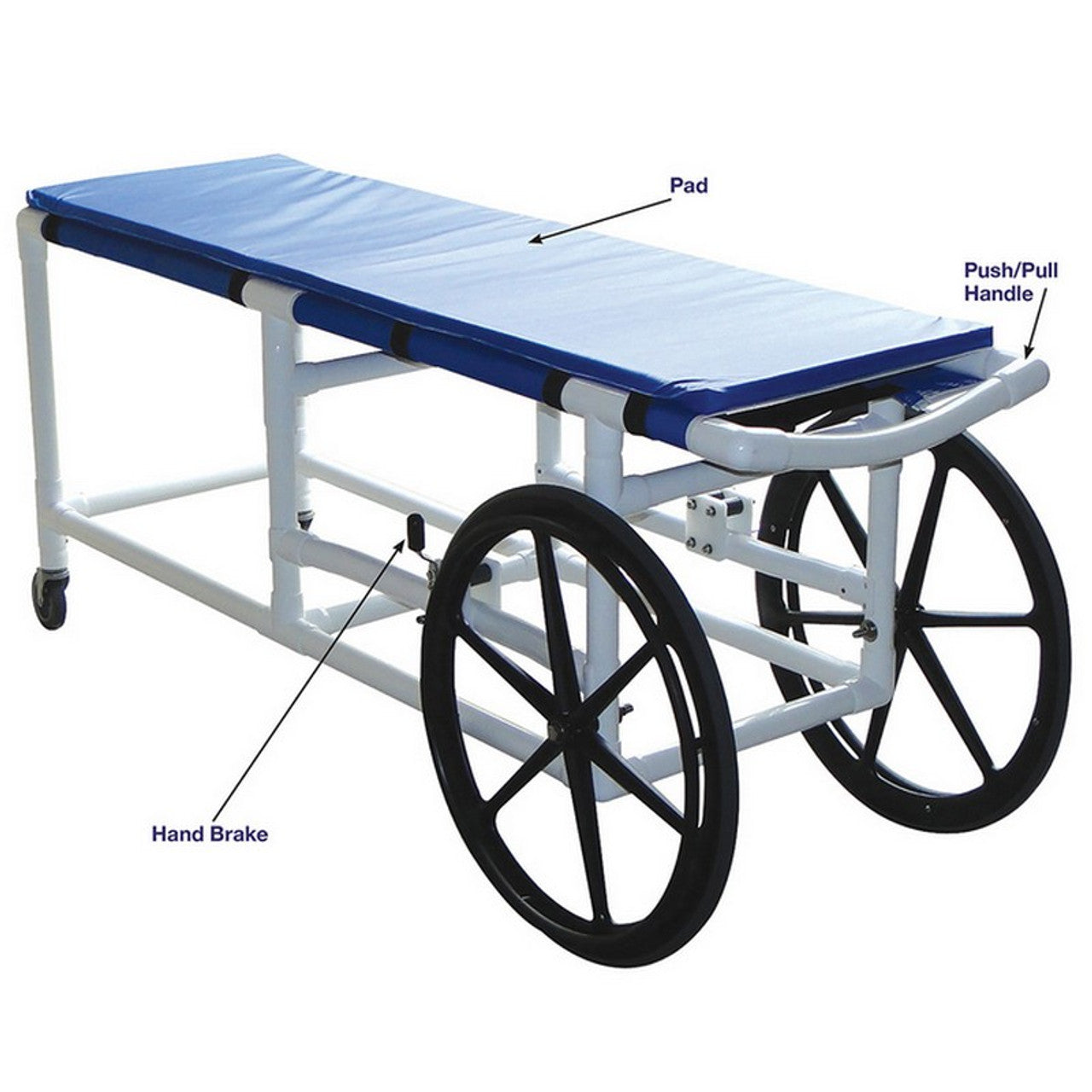
MJM Self-Propelled Medical Stretcher, 300 lb Capacity
Factory Direct Ships in 5-7 Business Days! (Estimated) View Product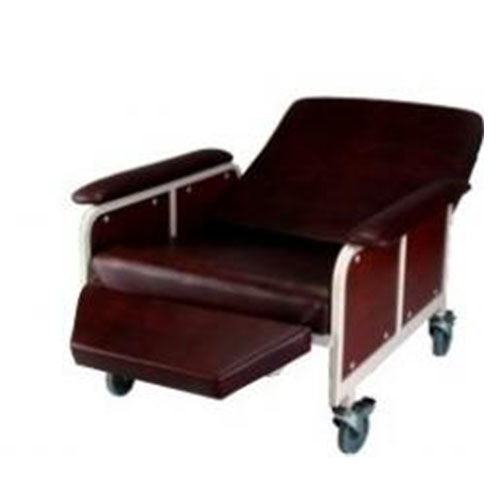
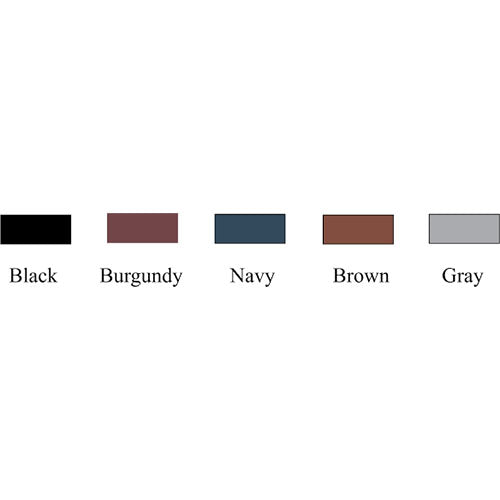
ConvaQuip 900R Bariatric Recliner Stretcher | Mobile Clinical Seating
Factory Direct Ships 2-3 Days! (Estimated) View Product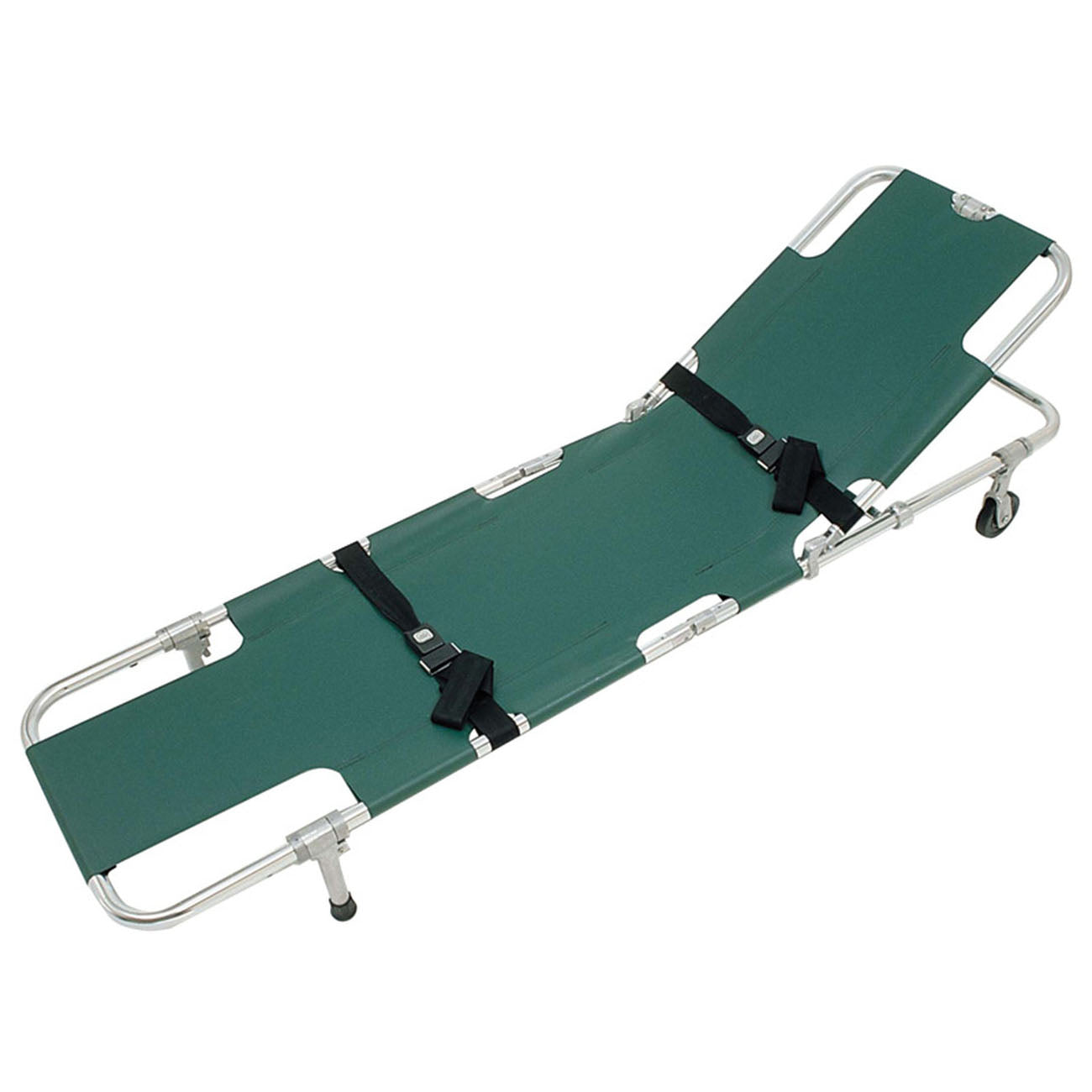
Junkin JSA-604 EASY-FOLD Wheeled Stretcher with 5-Position Adjustable Backrest
Factory Direct Ships 1-2 Weeks! (Estimated) View Product
Convaquip Model 900S/900R Bariatric Recliner/Stretcher | 850 lbs Capacity Mobile Patient Transport
Factory Direct Ships 2-3 Days! (Estimated) View Product
Convaquip 1190 Series Bariatric Gurney | 1000 lbs Capacity Transport Stretcher
Factory Direct Ships 2-3 Days! (Estimated) View ProductFrequently Asked Questions
Find answers to commonly asked questions below.
-
What is the difference between a hospital stretcher and a gurney?
In everyday use the two words describe the same equipment: a wheeled bed used to move a patient inside a facility. Manufacturers and hospitals usually say stretcher, while gurney is the common term in emergency and transport settings. This collection covers both settings: in-facility transport stretchers, plus the wheeled stretchers and litter carriers used for EMS and field transport.
-
What weight capacity should I choose?
Start with the heaviest patient the stretcher will carry, then allow extra for monitors, oxygen and IV equipment that ride along. Models in this collection run from 300 lb up to the Convaquip 1190 bariatric transport stretcher at 1,000 lb, and the rating for each model is stated on its product page.
-
Do you carry MRI-safe stretchers?
Yes. The Graham Field 1000MR is built as an MRI safe transport stretcher. MRI compatibility is specific to each model, so confirm the rating on the product page and with your imaging department before any stretcher is used in an MRI suite.
-
What does C-arm compatible mean?
A C-arm compatible stretcher has a radiolucent deck, so a C-arm fluoroscope can image the patient through the deck during a procedure. The Nitrocare SIGMA SD03 in this collection pairs a radiolucent deck with hydraulic positioning for imaging and procedure areas.
-
Should I choose hydraulic or electric height adjustment?
Hydraulic stretchers adjust with a foot pump and need no power source, which suits emergency and general transport work. Electric stretchers adjust with a hand control and suit areas where staff adjust deck height often. Both types are in this collection, including the hydraulic Nitrocare GLIDE SD09 and the electric Nitrocare BREEZE SD15.
-
How wide is an ambulance gurney or stretcher?
It depends on where the stretcher works. Compact wheeled stretchers built for ambulance and first-aid use are narrow: the Junkin JSA-604 models in this collection are 20.5 in wide when open, so they fit vehicle compartments and standard doorways. In-facility transport stretchers run wider for stability and patient room: the MJM self-propelled stretcher is 29 in wide, and the Convaquip 1190 bariatric gurney is 34 in or 44 in wide overall depending on the deck fitted. Check the open width on the product page against your doorways, elevators and vehicle before ordering.
-
How high does a hospital stretcher adjust?
It varies by model and lift type. Hydraulic and electric stretchers in this collection raise and lower the deck so staff can match bed and table height for transfers, and each product page states that model's height settings. Manual folding stretchers, such as the Junkin JSA-604 models, sit at a fixed working height instead. If a specific low deck height matters for transfers from low beds or exam tables, confirm the minimum height on the product page or call 800-239-1797.
-
Are side rails, pads and accessories included?
Contents vary by model. Some stretchers include full-length safety rails, while pads, IV poles and other accessories are standard on some models and options on others. Check the product page for exactly what is included with the model you are ordering, and call 800-239-1797 if a configuration is not clear.
-
How should a stretcher be cleaned and inspected?
Wipe down the deck, pad and frame with a facility-approved disinfectant after use, following the manufacturer instructions for that model. Before each use, check the casters, brakes, side rails and lift mechanism, and take the stretcher out of service if anything is loose, damaged or not holding its position.
-
How much does a stretcher cost?
Cost is driven by how the stretcher lifts and what it is built to carry. Manual folding and wheeled models are the simplest designs. Hydraulic and electric height adjustment, higher weight capacities and bariatric reinforcement, imaging compatibility such as MRI-safe construction or a radiolucent C-arm deck, and included rails and accessories all add to it, and large stretchers ship as freight, which affects the delivered total. Because configurations vary so much, the institutional quote page is the fastest way to get an exact figure for the model and quantity you need.
-
Can I order several stretchers for a facility?
Yes. Use the institutional quote page for multi-unit and fleet orders so quantities, delivery and freight are quoted together. Tax-exempt organizations can send their exemption certificate with the request.