


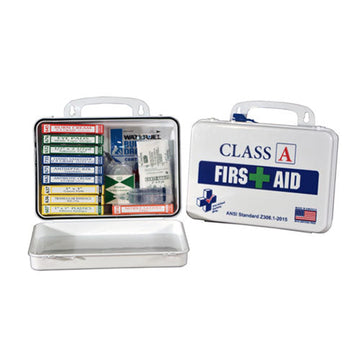

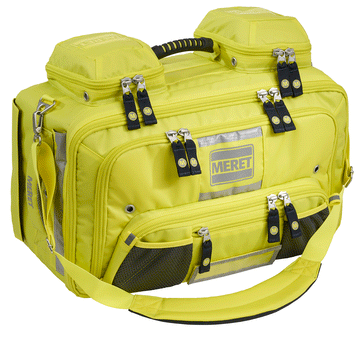



The first aid kit under the bathroom sink is handy for a paper cut. A survival first aid kit has a bigger job. It helps you prepare for injuries on a remote trail, during a power outage, or after a storm blocks the road.
Start with the basics you already use, then add supplies for the people, conditions, and scenarios your kit needs to cover. The FEMA emergency supply checklist treats first aid as one piece of a broader plan that also includes essentials such as food and water for several days.
Build your kit around three questions. Who will use it? Where will you keep it? How long might it take to reach professional help?
Survival First Aid Kit vs. Standard First Aid Kit
A standard first aid kit covers common injuries at home or on the go. A survival kit builds on those supplies for situations where getting help or restocking may take longer.
| Category | Standard kit | Survival kit additions |
|---|---|---|
| Bleeding and dressings | Adhesive bandages, sterile pads, and gauze | Extra dressings and bleeding-control supplies matched to your training |
| Injury support | Basic wraps, depending on the kit | A flexible splint, triangular bandages, and extra tape |
| Wound care | Gloves and antiseptic wipes | Extra gloves, sterile saline wound wash, and spare supplies |
| Personal needs | A basic first aid guide and everyday supplies | Personal medications, emergency contacts, a headlamp, and emergency blankets |
What to Put in a Survival First Aid Kit
Use these categories to audit an existing kit or build one from scratch. Adjust quantities for your group size, trip length, and ability to restock.
1. Bleeding Control and Dressings
Pack sterile gauze pads, rolled gauze, adhesive bandages, and pressure dressings. For a kit intended for serious emergencies, consider hemostatic gauze and a commercial tourniquet with appropriate training.
When comparing the Elite First Aid Level 1 Recon IFAK with other kits, check the current contents against your list. Learn how to use bleeding-control supplies through Stop the Bleed training.
2. Wound Care
Group disposable gloves, sterile saline wound wash, antiseptic wipes, and spare sterile dressings in one pouch. Keep products in their original packaging so instructions and expiration dates are easy to check.
Follow the product directions for ointments and skin antiseptics. Seek medical care for deep, gaping, or heavily contaminated wounds.
3. Splints, Wraps, and Tape
Keep a flexible splint, such as a SAM splint, with elastic wraps, triangular bandages, and medical tape. Store these together so you can find the supporting supplies without opening several pouches.
4. Tools and Emergency Blankets
- Trauma shears and fine-tipped tweezers for basic first aid tasks.
- Digital thermometer for checking temperature.
- Headlamp and spare batteries for hands-free light.
- Emergency blankets for warmth while waiting for help.
- Permanent marker for labeling supplies or recording details for responders.
5. Medications and Hydration Supplies
Pack personal prescriptions and any over-the-counter medicines appropriate for your household. Ask a pharmacist about an emergency supply, interactions, and storage requirements. Keep medication labels and instructions with the kit.
Oral rehydration salts are an option to discuss with a pharmacist for fluid loss from illnesses such as diarrhea. Follow the package directions.
6. Emergency Information
Include a first aid reference guide, a waterproof notepad and pen, and an emergency contact card. Add relevant allergy and medication information so another person can find it quickly.
Start With a Kit You Can Customize
Compare portable medical kits by their contents, storage layout, and the space available for personal supplies. If you’re considering the Elite First Aid Pro-II Trauma Bag Fully Stocked, check the current product listing against the checklist below.
How to Pack and Maintain Your Survival First Aid Kit
- Choose a water-resistant case or bag. Use compartments or labeled pouches so small supplies stay easy to find.
- Keep bleeding-control supplies easy to reach. Put gloves, gauze, and pressure dressings in a clearly marked outer pocket. If you carry a tourniquet, keep it with those supplies.
- Use color and text labels. A red pouch marked “Bleeding Control” and a blue one marked “Medications” are easier to identify than unlabeled pouches.
- Choose a storage spot everyone knows. Tell household members where to find the kit and store medications according to their label directions.
- Restock after use and check expiration dates regularly. Replace opened, damaged, or expired supplies. The American Red Cross first aid kit guide explains what to include and what to check when restocking.
Printable Survival First Aid Kit Checklist
The quantities below are example stocking targets. Adjust them for the number of people using your kit and how far you’ll be from a place to restock.
Bleeding Control and Dressings
- Hemostatic gauze, such as QuikClot (1 pack)
- Commercial tourniquet, such as C-A-T or SOFTT-W (1, with training)
- Pressure dressings (2)
- Sterile 4 × 4-inch gauze pads (10)
- Rolled gauze (4 rolls)
- Assorted adhesive bandages (25)
Wound Care
- Disposable gloves (6 pairs)
- Antiseptic wipes (20)
- Sterile saline wound wash (1 bottle)
- Povidone-iodine wipes or solution, if appropriate
- Antibiotic ointment packets, if appropriate (10)
- Butterfly bandages or wound closure strips for suitable minor cuts
Splints, Wraps, and Tape
- Flexible splints (2)
- Elastic bandages (2 rolls)
- Triangular bandages (2)
- Medical tape (2 rolls)
Tools and Emergency Blankets
- Trauma shears and fine-tipped tweezers
- Digital thermometer
- Headlamp and spare batteries
- Emergency blankets (2)
- Permanent marker
Medications and Hydration
- Personal prescriptions with labels and directions
- Household-appropriate over-the-counter medicines
- Oral rehydration salts, if appropriate
Emergency Information
- First aid reference guide
- Emergency contact, allergy, and medication card
- Waterproof notepad and pen
Before you put the kit away, do a quick walkthrough. Show the people who might use it where to find the kit and how the pouches are organized.