






Being prepared for an unexpected injury starts with having the right first aid supplies within reach. Whether you're commuting to work, managing an office, operating a warehouse, or preparing for emergencies, choosing the right first aid kit can make a difference when someone needs immediate assistance.
However, not all first aid kits are designed for the same situations. A compact vehicle kit, a personal emergency pouch, a workplace first aid station, and a specialized trauma kit serve different purposes.
This guide explains how to choose the best first aid kit for your environment, what supplies to look for, and how to keep your emergency equipment ready when it matters.

Quick guide: Choose a compact kit for everyday travel, a dedicated roadside kit for vehicles, an appropriately stocked first aid station for workplaces, and a specialized trauma or bleeding control kit for trained emergency responders.
What Should You Consider When Choosing a First Aid Kit?
Before purchasing a first aid kit, think about where it will be used, who may need it, and the types of injuries you want to prepare for.
Here are five important factors to consider:
1. Intended Use
Start by identifying the primary purpose of the kit. A kit for a personal vehicle will have different requirements from one intended for a school, office, industrial facility, or emergency response team.
2. Number of People
Consider how many individuals may need access to the supplies. A compact kit may be sufficient for personal use, while offices, schools, warehouses, and public facilities may require larger kits or multiple strategically located stations.
3. Included Supplies
Always review the manufacturer's contents list instead of relying solely on the product name or advertised piece count.
Depending on the intended use, look for essential supplies such as:
- Adhesive bandages in different sizes.
- Sterile gauze pads and wound dressings.
- Medical tape and antiseptic wipes.
- Disposable protective gloves.
- Burn dressings and other specialized supplies when appropriate.
4. Storage and Accessibility
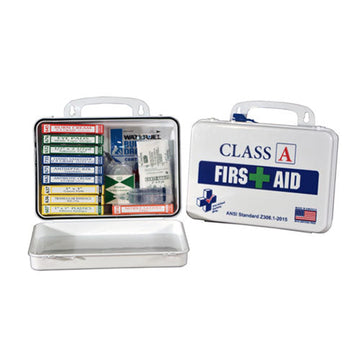
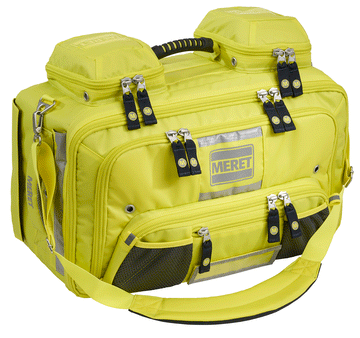
Choose a storage option that makes the supplies easy to identify and retrieve. Portable pouches, medical bags, hard-shell cases, and wall-mounted cabinets each serve different environments.
5. Maintenance and Replenishment
First aid supplies need regular inspection. Replace used, damaged, contaminated, or expired items and make sure the kit remains accessible. Choosing products with readily available replacement supplies can simplify long-term maintenance.
1. Best First Aid Kits for Cars and Roadside Emergencies
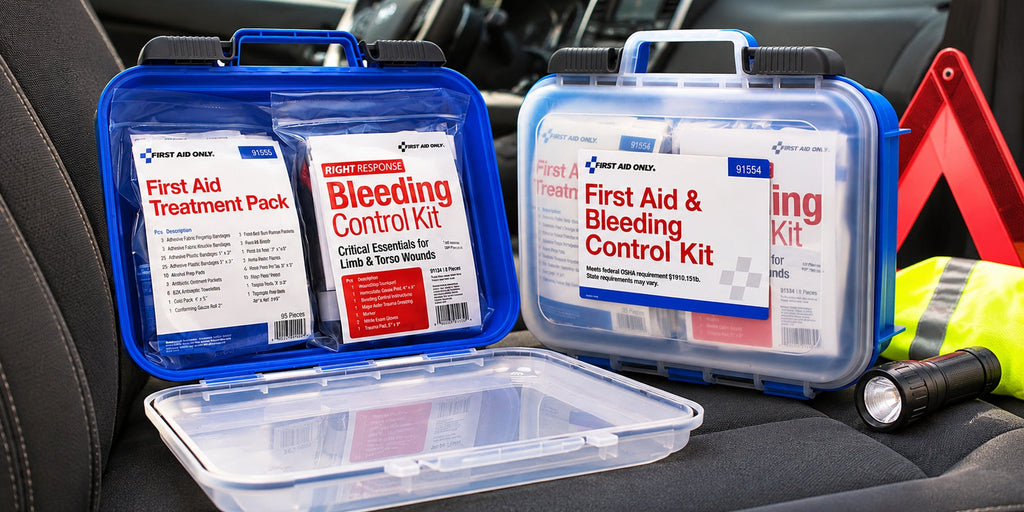
Whether you're driving to work, taking a road trip, or managing a fleet of vehicles, keeping a dedicated first aid kit in your vehicle helps you prepare for common injuries that may happen along the way.
Vehicle first aid kits focus on basic wound care and minor injuries. Roadside emergency kits may also include additional automotive safety equipment for situations such as vehicle breakdowns.

What Should a Car First Aid Kit Include?
Basic First Aid Supplies
- Assorted adhesive bandages.
- Antiseptic wipes.
- Sterile gauze pads.
- Medical tape.
- Disposable gloves.
Roadside Emergency Equipment
- Flashlight.
- Jumper cables, when included.
- Reflective safety accessories.
- Basic emergency tools.
- Additional roadside supplies.
When selecting a vehicle kit, consider its size, durability, and storage requirements. It should fit securely in your trunk or designated storage area without interfering with vehicle safety equipment.
For drivers and fleet operators, maintaining a dedicated emergency kit in each vehicle can help create a more consistent preparedness plan.
Explore first aid kits to compare available options for personal and emergency preparedness.
2. Commuter and Personal First Aid Kits
A personal first aid kit is designed for people who want essential medical supplies nearby throughout the day. These compact kits are useful for commuters, travelers, outdoor enthusiasts, students, and individuals who spend considerable time away from home.
Unlike larger workplace stations, personal kits prioritize portability, convenient storage, and quick access to everyday supplies.

Essential Supplies for a Personal First Aid Kit
- Adhesive bandages: For covering minor cuts and scrapes.
- Antiseptic wipes: For cleaning around minor wounds according to product instructions.
- Gauze pads: For covering wounds and managing minor bleeding.
- Medical tape: For securing dressings.
- Disposable gloves: For basic protective precautions.
- Small scissors: For cutting tape or dressings when included.
Buying tip: Consider the kit's weight, compartments, and available storage space. A small pouch works well for everyday carry, while a larger medical bag provides room for additional supplies.
If you need more storage capacity for medical equipment and emergency supplies, explore portable medical kits and medical bags.
3. Office, School, and Workplace First Aid Kits
Workplaces need accessible first aid supplies that reflect the number of people on-site and the potential hazards associated with daily operations.
A small office may need a basic first aid cabinet for common injuries, while warehouses, manufacturing facilities, construction sites, and schools may require additional supplies and multiple emergency stations.

How to Choose a Workplace First Aid Kit
Employee Population
Estimate how many employees, contractors, and visitors may rely on the available first aid supplies.
Workplace Hazards
Identify potential risks such as cuts, abrasions, burns, slips, and injuries associated with your operations.
Location and Accessibility
Place first aid kits in visible, clearly identified areas that employees can reach without unnecessary delays.
Inspection and Restocking
Establish a routine for checking inventory, replacing used supplies, and monitoring applicable expiration dates.
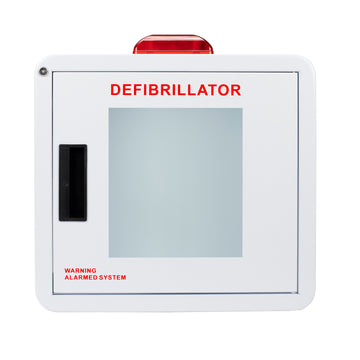
Storage is another important consideration. Depending on the facility, you may need portable kits, wall-mounted cabinets, or larger centralized first aid stations.
Employers should also review applicable workplace safety requirements, including relevant OSHA requirements in the United States. The appropriate supplies and number of kits depend on workplace conditions, potential hazards, and the availability of medical assistance.
For organized workplace storage, explore first aid cabinets and the complete first aid kits collection.
4. Trauma Kits and Bleeding Control Kits
Standard first aid kits are primarily intended for routine injuries and basic wound care. Trauma kits and bleeding control kits serve a different purpose: helping trained responders and appropriately trained users prepare for serious injuries, particularly severe bleeding.
These specialized kits are commonly considered for:
- Emergency response teams.
- Schools and educational facilities.
- Industrial and manufacturing environments.
- Public buildings and high-traffic facilities.
- Security and law enforcement operations.
- First responders and emergency personnel.

What Does a Trauma or Bleeding Control Kit Include?
Depending on the manufacturer and configuration, specialized kits may contain:
- Tourniquets: Designed for controlling severe bleeding from certain limb injuries.
- Hemostatic dressings: Specialized dressings intended to assist with bleeding control.
- Pressure dressings: Used to apply pressure to wounds.
- Gauze: For wound packing and dressing applications when appropriate.
- Protective gloves: To support basic protection during emergency response.
Important safety information: Severe or uncontrolled bleeding is a life-threatening emergency. Call 911 immediately. Specialized trauma equipment does not replace professional medical treatment. Tourniquets and other bleeding control supplies should be used by individuals with appropriate training and according to the manufacturer's instructions.
Explore Specialized Emergency Kits
- Bleeding Control Kits – Specialized supplies for severe bleeding preparedness.
- Tactical Trauma Kits – Portable trauma response and individual first aid kit options.
- Portable Medical Kits – Medical bags and storage solutions for mobile medical supplies.
5. First Aid Supplies and Refills: Keeping Your Kit Ready
Purchasing a first aid kit is only the beginning. Regular inspections and replenishment are essential to making sure the supplies remain available when needed.
Over time, items may be used, misplaced, damaged, or become unsuitable for use. A kit that has not been checked regularly may be missing important supplies when an emergency occurs.
First Aid Kit Maintenance Checklist
- Check expiration dates on applicable supplies.
- Replace used or opened items.
- Inspect packaging for damage or contamination.
- Confirm that essential supplies are present.
- Keep the kit in its designated, accessible location.
- Update the contents when workplace hazards or operational needs change.
If your existing case or cabinet is still in good condition, replacing individual supplies may be more practical than purchasing an entirely new kit.
Browse first aid supplies and replacement products to maintain your emergency preparedness inventory.
How Many First Aid Kits Does a Workplace Need?
There is no universal number of first aid kits that works for every organization. The appropriate quantity depends on the facility's size, employee population, workplace hazards, building layout, and how quickly people can access medical supplies.
Before determining how many kits to purchase, evaluate the following:
- How many employees and visitors use the facility?
- Are there multiple floors, departments, or separate work areas?
- Are employees exposed to different types of workplace hazards?
- Can someone reach a first aid kit quickly from each work area?
- Are additional bleeding control or emergency response supplies necessary?
For larger facilities, multiple first aid stations may be more practical than relying on one central cabinet. Organizations should also establish a consistent inspection and replenishment process to keep supplies ready for use.
First Aid Kit vs. Trauma Kit: What's the Difference?
Although both support emergency preparedness, standard first aid kits and trauma kits are designed for different situations. Understanding their intended purposes can help you select the appropriate equipment.
| Kit Type | Primary Purpose | Typical Environment |
|---|---|---|
| Vehicle First Aid Kit | Minor injuries and roadside preparedness. | Cars, trucks, and fleet vehicles. |
| Personal First Aid Kit | Basic supplies for individual use. | Commuting, travel, and outdoor activities. |
| Workplace First Aid Kit | General first aid for employees and visitors. | Offices, schools, and commercial facilities. |
| First Aid Cabinet | Organized storage and convenient access to supplies. | Commercial and institutional buildings. |
| Trauma Kit | Specialized response to serious injuries. | Emergency response and high-risk environments. |
| Bleeding Control Kit | Preparedness for severe bleeding emergencies. | Public facilities, schools, and workplaces. |
The right choice depends on the risks you're preparing for, the people who may use the equipment, and the level of training available.
Choose the Right First Aid Kit for Your Needs
Preparing for emergencies starts with understanding what supplies are needed in your environment. A compact vehicle kit may be suitable for everyday travel, while offices and industrial facilities may require larger first aid stations. Organizations with specialized emergency response responsibilities may also need dedicated trauma and bleeding control equipment.
By considering the intended use, number of people, included supplies, storage requirements, and maintenance needs, you can make a more informed purchasing decision.
Find the Right First Aid Kit for Your Needs
From everyday first aid supplies to workplace emergency stations and specialized trauma kits, explore solutions for individuals, businesses, and institutions. Find the equipment that fits your preparedness needs.
Be Prepared. Shop First Aid Kits