







Lead Sheeting for Radiation Shielding
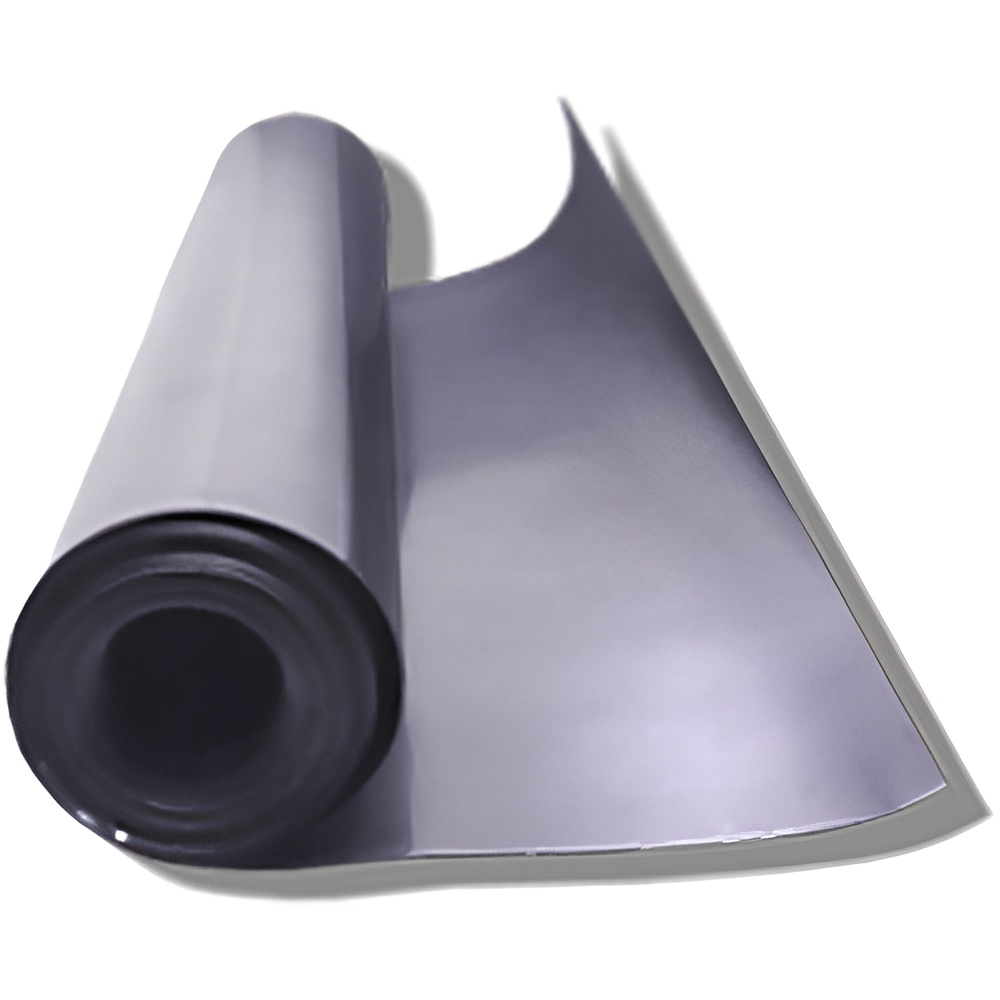
Our lead sheeting for radiation shielding comes from Phillips Safety for hospitals, imaging centers, dental, veterinary and chiropractic clinics building or upgrading X-ray rooms. Choose the thickness your physicist specifies and request a quote for project quantities.
- ✓1/64 to 1/8 inchThickness options listed on the Phillips Safety lead sheeting product.
- ✓12x12 to 48x96 inch sheetsSheet sizes listed on the product page.
- ✓QQ-L-201F Grade BSpecification listed on the Phillips Safety product.
- ✓Project quotesSend your shielding report for quantities and sizes.
Buying for a hospital, imaging center, or clinic?
- Request a quote for single units or department orders.
- Send us your physicist shielding report for a quote.
- Purchase orders accepted.
- Tax exempt orders accepted.
- Talk to a specialist: 800-239-1797.
How to choose lead sheet thickness
Required lead thickness comes from a shielding report prepared by a qualified physicist for your room and equipment. Match the thickness on that report, then confirm sheet sizes and quantities. See our commercial lead sheeting guide for applications and specifications.
Who uses lead sheeting
Imaging rooms in hospitals, dental and veterinary clinics, chiropractic offices and industrial X-ray areas use lead sheet behind wall finishes, in doors, and around penetrations.
Related radiation protection
Protect staff as well as rooms with mobile lead shields, radiation glasses and lead apron racks. Read our lead aprons and X-ray protection guide.
Related: commercial lead sheeting guide, Phillips Safety lead sheeting, Phillips Safety

You may also like:
Phillips Safety Lead Sheeting for X-Ray and Radiation Shielding
Factory Direct Ships in 5-7 Business Days! (Estimated) View Product
You may also like:
Phillips Safety MAR-PB-48X96-3/32 Lead Sheeting 3/32” Thickness
Factory Direct Ships 2-3 Days! (Estimated) View ProductFrequently Asked Questions
Find answers to commonly asked questions below.
-
What regulatory standards and purity certifications does this Lead Sheeting meet for medical and industrial radiation shielding?
Our Lead Sheeting is manufactured to meet or exceed ASTM B29 standards for refined lead purity, ensuring consistent radiation attenuation across the entire surface. This high-grade material is essential for facilities that must strictly adhere to NCRP Report No. 147 shielding design goals for medical X-ray imaging facilities. Using high-purity lead prevents the "thin spots" often found in recycled alternatives, which can lead to costly inspection failures and safety risks. Each roll undergoes rigorous quality control to ensure uniform density and thickness, providing a reliable barrier against ionizing radiation. By choosing certified shielding, procurement officers can guarantee long-term compliance with state and federal healthcare safety regulations.
-
How do I determine the correct lead thickness and shielding equivalency for a standard X-ray or CT room installation?
Determining the correct shielding equivalency requires a formal radiation protection survey conducted by a board-certified health physicist to analyze specific machine kVp and workload. Typically, medical offices utilize 1/32-inch or 1/16-inch lead thickness for standard diagnostic X-ray rooms, depending on the proximity of occupied areas. Our technical specifications provide clear data on lead-equivalent protection levels to help facility managers match the physicist’s report to the correct product SKU. It is vital to account for both primary and secondary radiation barriers when calculating the total square footage required for full enclosure. Selecting the precise thickness ensures you are not over-spending on excess material while maintaining a safe environment for staff and patients.
-
What are the best practices for installing Lead Sheeting to ensure a seamless radiation barrier in existing wall structures?
Best practices for a seamless radiation barrier involve overlapping the Lead Sheeting by at least one inch at all joints or using specialized lead glass and lead disks for fastener penetrations. The material should be adhered to a sturdy substrate like fire-rated drywall or plywood using heavy-duty construction adhesives to prevent sagging over time. Since lead is a heavy, malleable metal, it must be supported properly from the floor up to maintain structural integrity within the wall cavity. Special attention must be paid to electrical outlets and door frames, where lead lining must wrap around the opening to prevent radiation leakage or "shine." Following these installation protocols ensures the room passes mandatory physics testing and shielding integrity inspections.
-
How does the durability and corrosion resistance of this high-purity lead affect the long-term ROI and maintenance of a facility?
The high-purity composition of our Lead Sheeting offers exceptional corrosion resistance and chemical stability, which significantly lowers the Total Cost of Ownership by eliminating the need for future replacements. Unlike synthetic shielding materials that may degrade or lose density over decades, lead remains an inert and stable barrier that retains its attenuation properties indefinitely. This durability makes it a superior ROI choice for hospitals and industrial labs that plan for long-term facility cycles. Furthermore, the inherent malleability of the lead allows it to settle into architectural shifts without cracking or losing its protective seal. Investing in high-quality lead ensures that your shielding investment remains effective for the entire lifespan of the diagnostic equipment.
-
Can this Lead Sheeting be customized or layered to meet specific high-energy attenuation requirements for specialized oncology or industrial applications?
Yes, our Lead Sheeting can be layered or custom-ordered in higher densities to meet the rigorous attenuation requirements of high-energy oncology vaults or industrial NDT bunkers. For applications involving high-voltage gamma radiation, multiple layers of 1/8-inch or 1/4-inch lead can be laminated together to achieve the necessary tenth-value layer (TVL) reduction. We provide various widths and lengths to minimize seams and waste, allowing for a highly scalable solution regardless of the room’s dimensions. Our technical team can assist in sourcing specialized weights for unique projects where standard medical-grade shielding is insufficient. By offering a range of customizable options, we ensure that your facility achieves the specific shielding design goals required for maximum safety and efficiency.