








Real-Life Impact of Patient Lifts
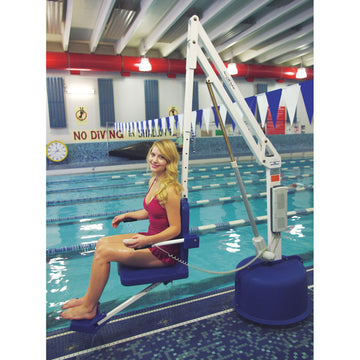
The benefits of a patient lift extend far beyond simple convenience; they are vital tools for comprehensive injury prevention. Statistics show that healthcare workers and home caregivers are at an incredibly high risk for back injuries and musculoskeletal disorders. By providing stable, mechanical movement, these lifts eliminate the dangerous "manual tugging" that often leads to accidents for both the patient and the provider.
Beyond physical safety, these devices foster increased patient independence and emotional well-being. Many individuals struggle with the loss of privacy or the feeling of being a "burden." A lift restores a sense of autonomy. For instance, a patient recovering from surgery feels more empowered using a sit-to-stand lift, as it allows them to participate actively in their own recovery and transition to mobility with confidence.
Key Benefits at a Glance:
- Reduced Physical Strain: Mechanical assistance means caregivers no longer risk long-term spinal damage from manual lifting.
- Fall Prevention: Secure sling systems and locking mechanisms virtually eliminate the risk of transfer-related falls.
- Preservation of Dignity: Controlled, smooth movements prevent the discomfort and embarrassment of being physically pulled or repositioned.
- Expanded Access: Lifts make it possible for patients to move from the bedroom to the living room or bathroom, enhancing their quality of life.
Types of Patient Lifts Explained
1. Ceiling Lifts
Permanently installed on overhead tracks, these systems are ideal for smaller rooms or frequent transfers. They save floor space and allow a single caregiver to perform transfers with minimal effort along a fixed path.
2. Floor Lifts
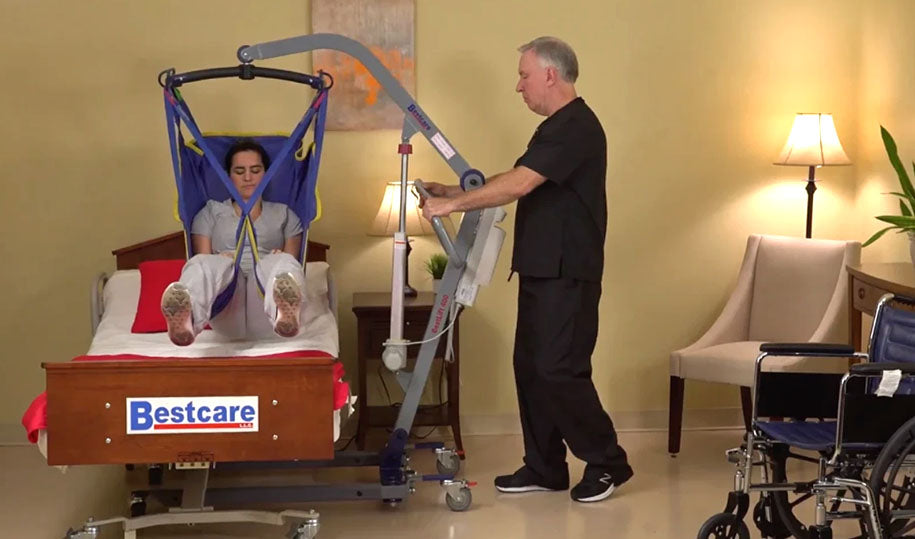
Versatile, mobile units equipped with a boom and spreader bar. These are perfect for home care because they can be moved between rooms and used to lift someone who has fallen to the floor.
3. Sit-to-Stand Lifts
Designed for patients who have some muscle tone but need help rising. These lifts encourage active mobility, helping patients maintain strength in their legs during daily routines.
Who Benefits Most from Patient Lifts?
Seniors & Long-Term Care Patients
As mobility decreases with age, simple tasks like getting out of bed can become daunting. A lift acts as a critical mobility aid that ensures seniors can remain in their homes longer while minimizing the risk of caregiver burnout.
Post-Surgery & Rehabilitation
Recovery requires a delicate balance of movement and rest. Proper lifting helps prevent strain on healing incisions and joints, accelerating the rehabilitation process by making it safe to move as soon as the doctor clears it.
Bariatric Patient Support
Manual transfers are often impossible or unsafe for bariatric patients. Specialized lifts with reinforced steel components and wider bases ensure these individuals are moved with the absolute highest standard of safety and respect.
Practical Insights for Caregivers
To maximize safety and comfort, keep this operational checklist in mind:
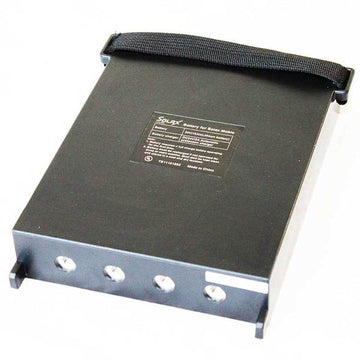
- Check Equipment: Always ensure the battery is charged and the emergency stop is functional before starting.
- Sling Integrity: Inspect slings for frayed edges or worn loops; the sling is the most critical safety component.
- Clear Communication: Talk the patient through every step of the lift to reduce anxiety and ensure they feel in control.
- Smooth Operation: Use slow, steady movements. Avoid "swinging" the patient, which can be disorienting or cause the lift to tip.
Empowering Your Home Care Journey
Choosing the right equipment is the first step toward a safer, more compassionate home environment. Rescue Supply patient lifts offer a versatile selection tailored to diverse mobility needs, from lightweight portable units to heavy-duty professional lifts.
Investing in high-quality home health care equipment isn't just about moving a body it's about empowering lives through safety, stability, and the freedom of movement.