








Maintaining independence at home is a universal priority. For many seniors, the right home mobility equipment is the key to preserving freedom, dignity, and safety. If you’re looking to upgrade your living space for better accessibility, here is a comprehensive guide to the essential tools for aging in place comfortably.
Home Wheelchairs
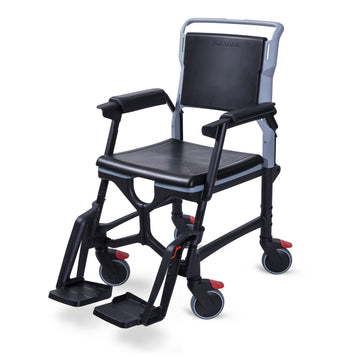
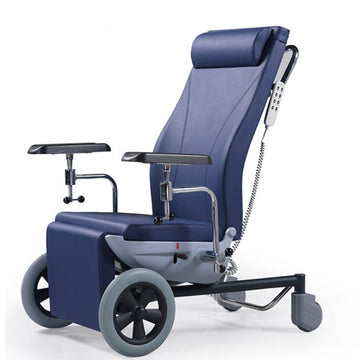
A high-quality wheelchair is a cornerstone of home mobility. Whether manual or motorized, it allows individuals to navigate their living space without physical exhaustion, providing reliable transport for those with limited weight-bearing capacity.
Wheelchair Ramps
To maximize mobility, threshold and stair ramps are essential. They eliminate hazards like raised door frames and entry steps, ensuring a smooth, continuous surface for wheels to glide over safely.
Electric Scooters & Motorized Aids
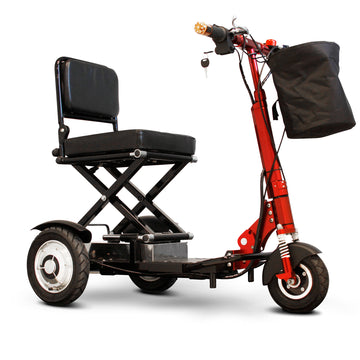
An electric scooter offers incredible maneuverability for larger homes or outdoor properties. While 3-wheel models offer a tight turning radius for indoor hallways, 4-wheel models provide the stability needed for traversing driveways or garden paths. These devices preserve your energy for social activities rather than the physical exertion of moving from room to room.
Pro-Tip: Choosing Walkers & Canes
- Mobility Canes: Best for minor balance assistance. They are lightweight, highly portable, and provide an extra point of contact with the floor to prevent stumbles.
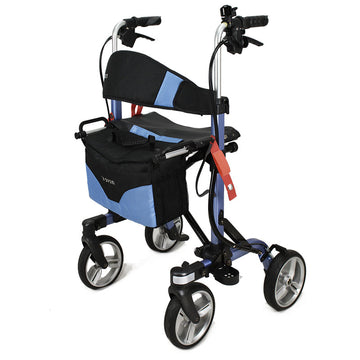
- Rollator Walkers: These feature wheels and hand brakes, but most importantly, they include a built-in seat. This allows the user to stop and rest anywhere in the home or during a walk.
Find the right fit by browsing professional mobility equipment suppliers.
Stability and Support Tools
Power Lift Chairs
Often overlooked, a lift chair looks like a standard recliner but features a powerful electric mechanism that tilts the base and back of the chair forward. This assists the senior in moving from a seated to a standing position with minimal strain on the knees and hips.
Stair Lifts
Stairs shouldn't make the second floor of your home off-limits. A stair lift provides a mechanical way to travel between levels. Beyond personal transport, they are also excellent for safely moving heavy laundry baskets or groceries between floors, reducing the risk of a fall while carrying items.
Safety in High-Risk Areas
Grab Bars
Installing grab bars near toilets, showers, and even bedside provides a steady anchor point. Look for textured grips to ensure safety even when hands are wet or weak.
Shower Chairs
The bathroom is a high-slip zone. A dedicated shower chair or bench allows users to sit securely while bathing, dramatically reducing the risk of dizziness or slips on wet tiles.
Raised Toilet Seats & Lever Handles
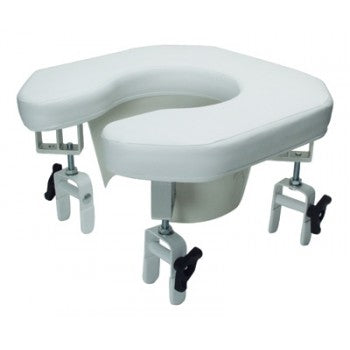
Small modifications can yield the biggest results. Raised toilet seats reduce the distance one needs to "drop" to sit, while lever-style door handles replace difficult-to-turn knobs, making every room accessible to those with arthritis or limited grip strength.
Bedroom & Specialized Assistance
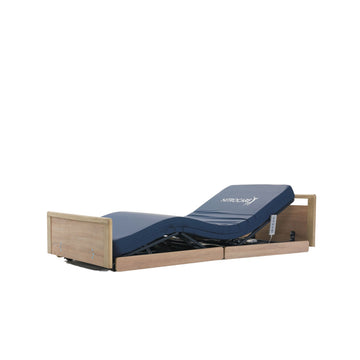
The bedroom should be a sanctuary. Bed rails provide a sturdy grip to assist with repositioning and prevent accidental falls. For caregivers, gait belts are an indispensable tool, allowing for the safe transfer of a person between a bed and a wheelchair by providing a secure handhold.

Equipping your home correctly is an investment in safety and long-term independence.