






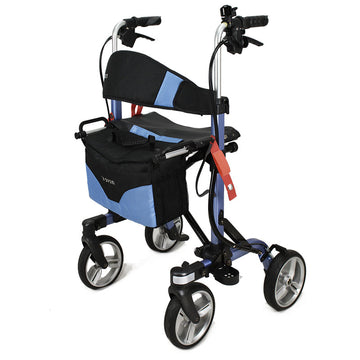
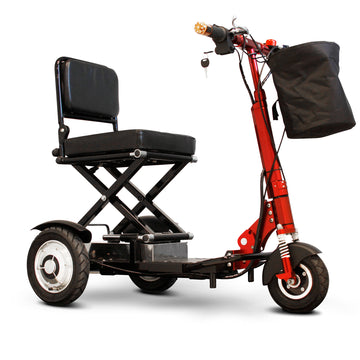




A mobility scooter is more than just a vehicle; it is a vital tool for regaining independence. However, because these scooters rely on complex electrical systems, regular upkeep is the difference between a reliable ride and being left stranded. Below is an in-depth guide to keeping your equipment in peak condition.
Advanced Battery Management
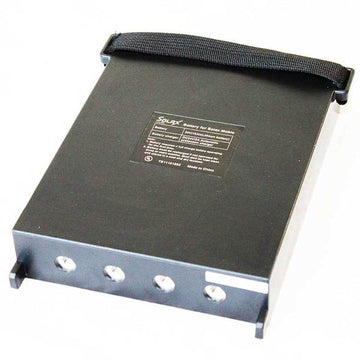
The battery is the heart of your scooter. Most modern scooters use Sealed Lead Acid (SLA) or Gel batteries, which require specific care to avoid "capacity fade."
The 8-10 Hour Rule
Even if you only used your scooter for 15 minutes, plug it in. Most chargers have a "trickle" mode that tops off the cells. For maximum longevity, charge your scooter for 8 to 10 hours overnight. This ensures the battery remains chemically active and prevents "sulfation," the leading cause of battery failure.
Terminal Care
Every few months, inspect the battery terminals for a white, powdery substance (corrosion). Clean them with a small wire brush and apply a thin layer of petroleum jelly. This simple step ensures a consistent flow of power and prevents the motor from surging or stalling.
Tires, Traction, and Safety Checks
Your tires are the only thing between you and the pavement. Whether you are using heavy-duty tires or a lightweight mobility scooter, the inspection routine remains the same.
- Pneumatic (Air-Filled) Tires: Check your PSI levels weekly. Under-inflated tires increase rolling resistance, which can reduce your battery range by up to 20% and cause the motor to overheat.
- Solid/Flat-Free Tires: These don't pop, but they do develop "flat spots" if left sitting too long. Inspect for deep gouges or uneven wear that could cause the scooter to pull to one side.
- The Tiller Shake-Down: Every month, tighten the bolts on your tiller (steering column) and seat post. Vibrations from sidewalks can slowly loosen these components, leading to a "wobbly" feel that compromises your control.
The Dos and Don'ts of Cleaning & Storage
Pro-Tip: The "Dry Wash" Method
Never use a high-pressure hose or power washer on your scooter. Water can easily penetrate the speed controller (brain) or the transaxle. Instead, use a damp microfiber cloth for the frame and an old toothbrush to clear debris from the wheel axles. If you must use a cleaner, ensure it is pH-neutral to avoid damaging the plastic shrouds.
Protecting the Electronics
If you live in an area with high humidity or frequent rain, moisture can cause "ghosting" where the scooter moves erratically. If you get caught in a downpour, dry the joystick and dashboard immediately. Using a simple plastic tiller cover can prevent thousands of dollars in water damage to the internal circuit boards.
Long-Term Storage Strategy
If you plan on not using your scooter for more than two weeks, don't just leave it in the garage. Disconnect the battery pack if possible. Batteries naturally discharge over time; if they drop below a certain voltage, the charger may no longer "recognize" them, rendering the battery useless.
The Golden Rule: Consult the Manual
Every manufacturer has specific lubrication points for the motor and axle. Your manual will tell you whether to use a silicone-based spray or grease. Using the wrong lubricant can actually attract more dirt, causing parts to wear out faster.
By investing just 20 minutes a month into these maintenance steps, you ensure that your mobility aid remains a safe, reliable partner in your daily adventures.
Ready for a smoother, more reliable ride?
Upgrade Your Freedom — Shop Our Top-Rated Mobility Scooters Today!