






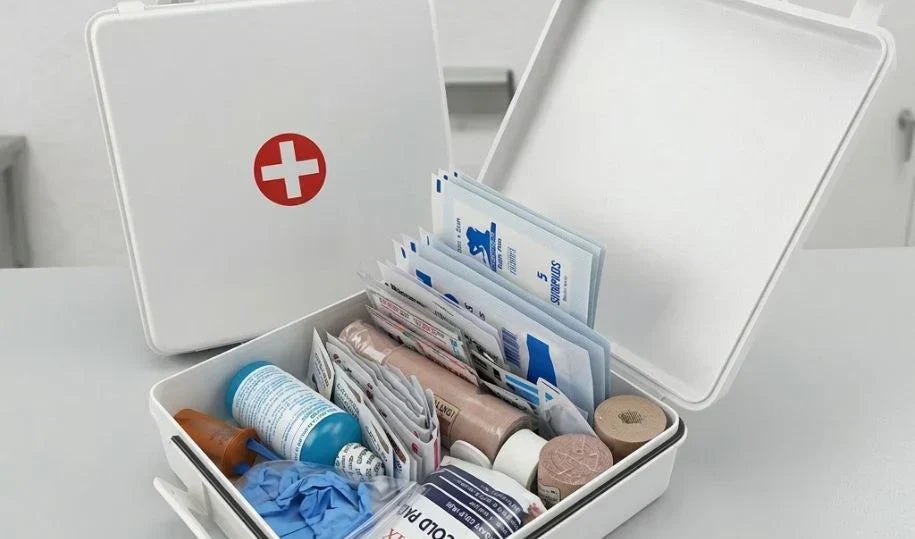
A professional medical kit is more than a box of bandages; it is a clinical system designed to sustain life. In an emergency, the difference between a "first aid kit" and a "medical kit" is the ability to manage trauma. To build a kit that actually works when seconds count, you must move beyond "convenience" items and focus on the core medical logic used by first responders and trauma specialists.
1 Why You Need a Dedicated Medical Kit
Many people assume a standard box of adhesive strips is enough. However, preventable trauma deaths often occur before professional help arrives. You need a medical kit because:
- Bridge the Response Gap: It can take emergency services 8–12 minutes to arrive; life-threatening bleeding can be fatal in under 5 minutes.
- Beyond Minor Injuries: While band-aids handle scrapes, medical kits contain the tools needed for "Stop the Bleed" scenarios and respiratory support.
- Organized Readiness: In high-stress situations, fine motor skills degrade. A professional kit is designed for rapid access and intuitive use.
2 Protocol-Driven Essentials
Professional kits are organized by clinical priority. In a crisis, "Cognitive Load" is your enemy; a well-built kit uses color-coded modules to help you find the right tool instantly.
Hemorrhage Control
The #1 priority. Focuses on stopping arterial or heavy venous bleeding with hemostatics, tourniquets, and pressure dressings.
Shop Gauze & Hemostatics →Airway & Respiration
Life-saving tools for choking, allergic reactions, or respiratory arrest, including CPR barriers and chest seals.
Shop CPR Barriers →Orthopedic Support
Stabilization tools for fractures and sprains to prevent permanent nerve or tissue damage during transport.
Shop Cold Therapy →Advanced Wound Care
Treating burns, deep abrasions, and chemical exposure to prevent infection and promote rapid tissue recovery.
Shop Antiseptics →3 Anatomy of a High-Quality Kit
| Tier | Critical Requirement | Professional Choice |
|---|---|---|
| Protection | Nitrile (non-latex) barriers and eye protection to prevent cross-contamination in high-stress scenes. | Medical Grade Nitrile |
| Diagnostics | Accurate vital sign tracking: pulse oximeters, pupil pens, and rapid thermometers. | Kemp USA Diagnostics |
| Trauma Gear | Heavy-duty shears for clothing removal and high-tensile, windlass-style tourniquets. | Elite First Aid Gear |
4 Environmental Specificity
A kit is only effective if it accounts for its surroundings. A "one-size-fits-all" approach often fails when geographic variables are ignored:
- Marine Environments: Require waterproof, hermetically sealed casings and specialized sting/burn treatments.
- Disaster Preparedness: Must focus on 72+ hours of sustainability and wound management without hospital access.
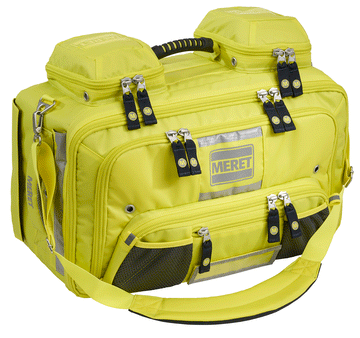
- Daily Mobility: Compact, modular "Stop the Bleed" kits designed for vehicles or hiking packs.
5 Compliance & Longevity
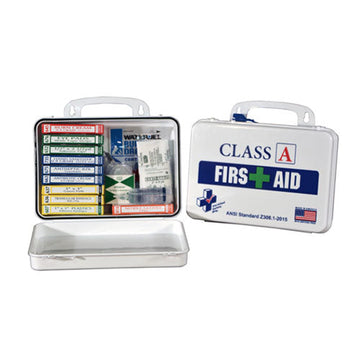
For workplace and school safety, kits must adhere to ANSI/ISEA Z308.1 standards. This ensures your response team isn't just "equipped," but legally and medically compliant. Regular audits of expiration dates are essential to maintain the integrity of sterile components.
Is your current kit truly ready?
Upgrade to OSHA and ANSI-rated solutions designed for the modern responder.
Shop Professional Medical Kits