



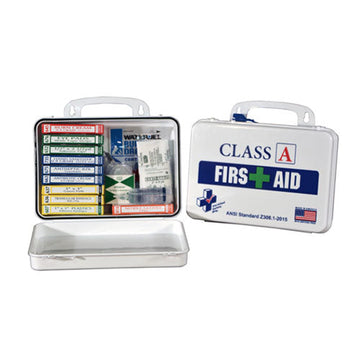

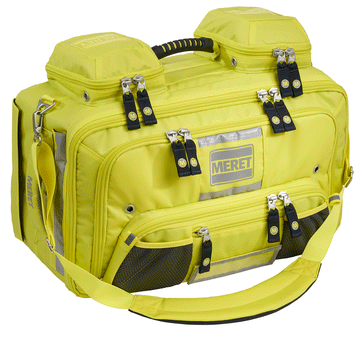


In a medical crisis, the difference between a minor incident and a major tragedy often comes down to the gear you have on hand. Most people buy a first aid kit as a "checkbox" item something to shove in the closet and forget about. But when a deep cut occurs or an allergic reaction strikes, that "cheap" kit might reveal its flaws. To protect your family, you need to look beyond the plastic wrap and evaluate a kit based on professional survival standards.
The Professional Inventory
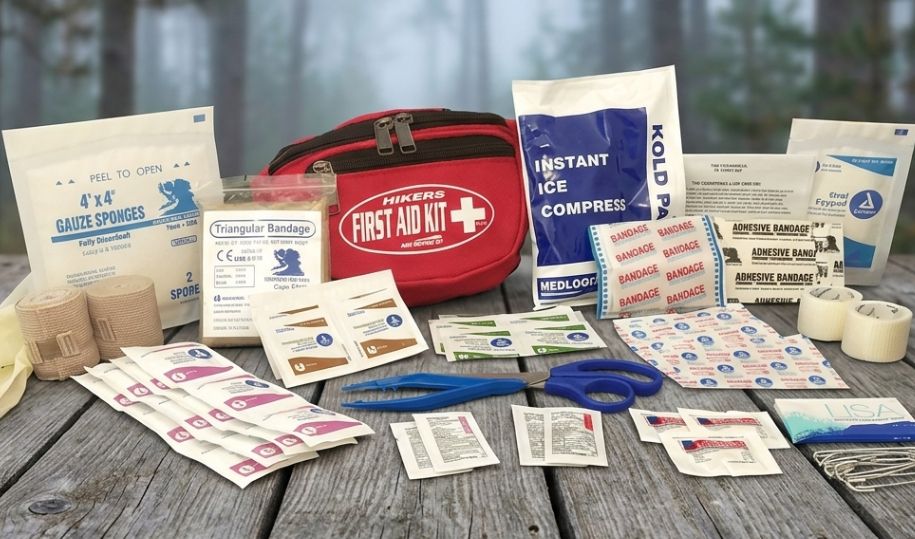
A retail-grade kit is often 90% plastic bandages and 10% useful tools. A Rescue-Ready kit focuses on high-impact supplies that manage trauma until professional help arrives:
- Bleeding Control: Heavy-duty gauze, pressure wraps, and medical tape.
- Burn & Wound Care: Hydrogel dressings and antiseptic shields to prevent infection.
- Structural Support: Aluminum splints that can be molded to secure fractured limbs.
- Emergency Tools: Stainless steel EMT shears that can cut through seatbelts or thick clothing.
Always ensure your kit has a high "fill-to-case" ratio you want supplies, not just air.
Built for the Elements
First aid kits shouldn't be fragile. If you’re keeping a kit in your car, it needs to withstand extreme temperature fluctuations. If you’re taking it camping, it needs to be water-resistant.
Look for 600D Ballistic Nylon or heavy-duty EVA cases. These materials prevent the contents from being crushed and keep your first aid supplies sterile and dry, regardless of the environment. A kit that falls apart in your backpack is a kit that fails you when it matters most.
Intuitive Organization
Stress does strange things to the human brain. Under pressure, your fine motor skills degrade and your ability to "search" through a messy bag disappears. This is why organization is a safety feature. The best kits utilize transparent mesh pockets or color-coded compartments. This allows you to find a tourniquet or a sterile wipe in three seconds rather than thirty. If you have to dump the entire bag on the floor to find a pair of tweezers, the kit has failed its primary mission.
The Modular Advantage
No two families have the same medical profile. A "stock" kit is just the foundation. When purchasing, look for a design that leaves 15-20% "open space." This allows you to integrate personal life-savers such as:
- Prescription medications (Asthma inhalers, Nitro tablets).
- Specific allergy treatments (EpiPens).
- Extra PPE like N95 masks or additional nitrile gloves.
A kit that can't grow with your needs is a kit you'll eventually outgrow.
Be The Hero of the Situation
Don't wait for a "what if" to become a "what now." Equip yourself with the gear professionals trust.
GET YOUR PROFESSIONAL GRADE KIT TODAYTrue preparedness isn't just about having the tools; it's about having the right tools in the right place at the right time.