








In our increasingly unpredictable world, being prepared for unexpected situations is paramount. Whether it's a natural disaster, power outage, or any other emergency, having a well-stocked emergency kit can make a significant difference in ensuring your safety and well-being.
Building Your Emergency Kit: A Guide to Preparedness
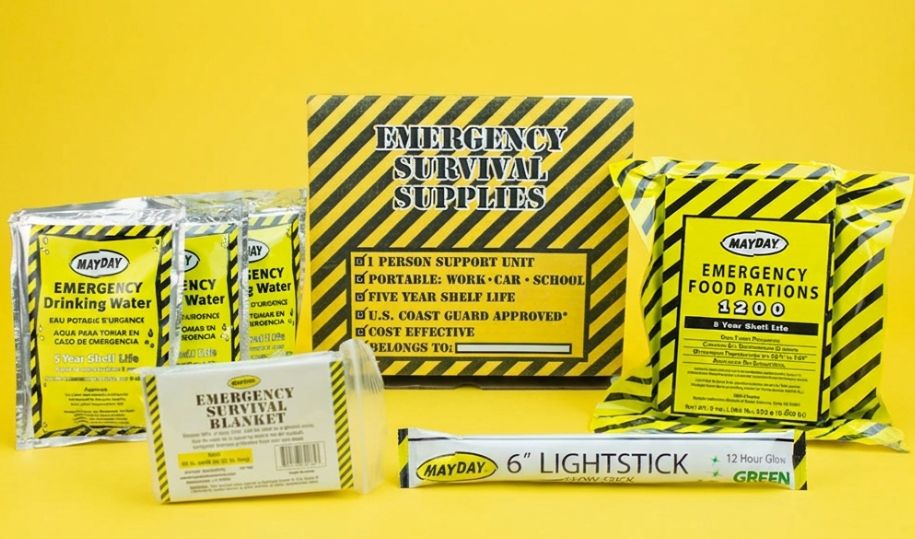
When disaster strikes, the first 72 hours are the most critical. Emergency responders may not be able to reach you immediately, so self-sufficiency is key. A disaster supplies kit is a collection of fundamental items your household will need to survive independently for several days.
Ensuring your emergency kit is fully stocked and up-to-date is vital. Remember: your family may have unique needs don't forget to account for pets, seniors, or infants.
The Essential Survival Blueprint
Imagine your emergency kit as a carefully curated arsenal. Use this blueprint to organize your primary supplies effectively.

1. Water
Dedicate one gallon per person per day for drinking and sanitation. Hydration is the cornerstone of survival.

2. Non-Perishable Food
Equip yourself with survival food like canned goods and energy bars that last without refrigeration.

3. NOAA Weather Radio
Stay connected with a battery-powered or hand-crank radio for crucial weather updates and emergency alerts.

4. Lighting
Navigate the darkness safely with a dependable flashlight and plenty of extra batteries.
Strategic Packing & Maintenance
To keep your gear ready for action and ensure items don't expire, follow these steps:
- Airtight Protection: Organize smaller items in sealed plastic bags to prevent water damage.
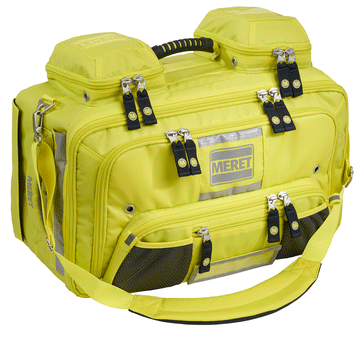
- Portability: Store the entire kit in plastic bins or a durable duffel bag that is easy to grab in a hurry.
- The 6-Month Review: Check expiration dates every six months. Replace water and food stores to ensure freshness.
The Survival Checklist
A well-rounded emergency supply kit should also include these critical tools for health and signaling:

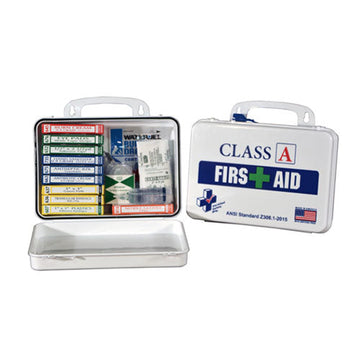
First Aid Kit: Essential for addressing minor injuries and preventing infection immediately.

Whistle: A simple, high-decibel way to signal for help if you are trapped or separated.

Dust Mask: Helps filter contaminated air or debris following a structural collapse or wildfire.

Tools: Duct tape, plastic sheeting for shelter-in-place, and a manual can opener are non-negotiable.
Personalizing Your Preparedness
One size does not fit all. To truly protect your household, you must tailor your emergency supply kit to individual requirements:
- Medication Management: Include at least 7 days of prescription meds and common pain relievers.
- Infant Essentials: Stock formula, diapers, wipes, and sterilized bottles.
- Pet Preparedness: Don't forget pet food, a leash, and extra water for your furry friends.
- Financial Backup: Keep small denominations of cash; credit card machines and ATMs often fail during power outages.
- Comfort & Shelter: Add warm blankets, sleeping bags, and a change of sturdy clothes and shoes.
Don't Wait Until It's Too Late
Your emergency kit is more than a collection of items; it's a manifestation of your commitment to safeguarding your family. Start building your defense today.
Build Your Custom Kit Now