





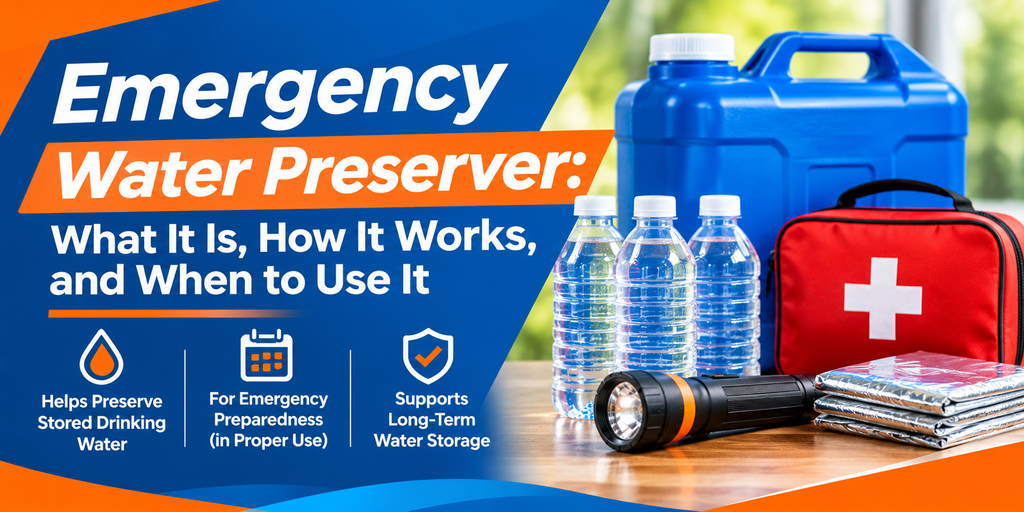
When severe weather, natural disasters, infrastructure failures, or unexpected emergencies disrupt everyday life, access to clean drinking water can quickly become uncertain. Water service interruptions may last for hours, days, or even longer, making advance preparation an important part of household and facility emergency planning.
Emergency water storage is more than keeping a few bottles in a cabinet. It involves choosing suitable containers, calculating how much water you need, storing it properly, and understanding how to make water safer to drink when your normal supply is unavailable.
1. Why Emergency Water Storage Is Essential
Clean water is necessary for drinking, preparing food, taking medication, and maintaining personal hygiene. During an emergency, municipal water systems can become damaged, contaminated, or temporarily unavailable.
Situations that may interrupt access to safe water include:
- Hurricanes, tropical storms, and flooding
- Earthquakes and infrastructure damage
- Power outages affecting water treatment and distribution
- Water main breaks and municipal service interruptions
- Contamination advisories and boil-water notices
- Extended emergencies that limit access to grocery stores and essential supplies
Having an emergency water supply ready can reduce the need to search for drinking water during a crisis and help households maintain a more organized response.
2. How Much Water Should You Store?
A widely used emergency preparedness guideline is to store at least one gallon of water per person per day. This amount provides for drinking and limited food preparation and sanitation needs. Actual requirements can be higher depending on climate, activity, health, age, and individual circumstances.
Recommended minimum per person, per day.
A practical starting point for an emergency water supply.
A longer-term preparedness goal when storage space and resources allow.
Plan extra water for pets, medical needs, hot weather, and special circumstances.
Example Household Water Requirements
| Household Size | 3-Day Supply | 14-Day Supply |
|---|---|---|
| 1 person | 3 gallons | 14 gallons |
| 2 people | 6 gallons | 28 gallons |
| 3 people | 9 gallons | 42 gallons |
| 4 people | 12 gallons | 56 gallons |
| 5 people | 15 gallons | 70 gallons |
| 6 people | 18 gallons | 84 gallons |
These figures are planning estimates based on one gallon per person per day. They do not represent a maximum. Consider storing additional water if you live in a hot climate, have infants or older adults in your household, or need water for medical equipment and other essential uses.
3. Choose the Right Water Storage Containers
The container you choose plays an important role in protecting your emergency water supply. Use containers specifically intended for drinking water or food storage. Containers should be durable, clean, properly sealed, and suitable for the amount of water you plan to store.

Common Emergency Water Storage Options
A convenient option for households. Keep bottles sealed and follow the manufacturer's storage guidance.
Designed for storing drinking water and available in different capacities for household preparedness.
Useful for evacuation kits, vehicles, camping, and situations where water needs to be transported.
Can support facilities, businesses, and households preparing for extended disruptions.
4. Clean and Sanitize Water Containers Before Use
If you are filling your own containers with tap water, proper cleaning and sanitizing are essential. Always use containers intended for drinking water and follow applicable public health guidance.
- Wash the container and lid with soap and water.
- Rinse thoroughly with clean water.
- Sanitize using the method and dilution recommended by public health authorities for water storage containers.
- Allow the container to drain or dry as directed by the sanitizing instructions.
- Fill with safe drinking water and close the container securely.
- Label the container with the filling date when applicable.
Commercially bottled water should remain in its original sealed packaging unless the manufacturer provides different instructions. For self-filled water, follow current CDC or local health department guidance on storage and replacement intervals.
5. Best Practices for Long-Term Water Storage
Proper storage helps protect your water supply from heat, sunlight, contamination, and accidental damage. Even when water is stored correctly, containers should be inspected regularly.
Where Should You Store Emergency Water?
- Choose a cool, dark, and dry storage area.
- Keep water away from direct sunlight and excessive heat.
- Store containers away from gasoline, pesticides, cleaning chemicals, and other hazardous substances.
- Keep containers off the floor when practical to reduce exposure to moisture and potential contamination.
- Make sure containers are protected from punctures, crushing, and other physical damage.
- Keep water supplies accessible to household members who may need them during an emergency.

Understand Water Preserver Products
Some emergency water storage products are designed to help preserve properly prepared drinking water during storage. For example, certain water preserver concentrates are labeled for use with tap water and may provide a specific storage period when used exactly as directed.
Before using any water preserver, carefully review its label, active ingredients, application instructions, dosage, storage conditions, and expiration information. The treatment period and amount of water covered are product-specific.
6. How to Make Water Safer to Drink During an Emergency
If your regular water supply becomes unavailable or questionable, first follow instructions from your local water utility and public health authorities. A boil-water advisory, for example, may require additional precautions even when tap water appears clear.
Boiling Water
Boiling is an effective method for killing many disease-causing microorganisms. If officials advise boiling water, bring clear water to a rolling boil for one minute. At elevations above 6,500 feet, boil for three minutes. Allow the water to cool before storing it in a clean, covered container.
Disinfection With Household Bleach
In situations where boiling is not possible, public health authorities may recommend using regular, unscented household chlorine bleach with the appropriate sodium hypochlorite concentration. The required amount depends on the bleach formulation and water conditions.
Always follow current CDC instructions or guidance from your local health department. Do not use scented, color-safe, or bleach products containing added cleaners. Never mix bleach with ammonia or other cleaning products.
Water Filtration
Portable water filters can be useful in emergency preparedness kits, but not all filters remove the same contaminants. Check the product's certified performance and manufacturer instructions. Some filters reduce certain microorganisms but do not remove viruses, dissolved chemicals, or other contaminants.
7. Common Emergency Water Storage Mistakes to Avoid
A few bottles may not be enough for a household during a prolonged service interruption.
Containers previously used for chemicals or other hazardous materials can contaminate drinking water.
Excessive heat, sunlight, and physical damage can compromise containers and their contents.
Check seals, containers, labels, and product expiration dates regularly.
Different filtration systems are designed to address different contaminants.
Water supplies and preparedness equipment may become difficult to obtain during a major disaster.
8. Create a Household Emergency Water Plan
A written plan helps everyone in your household understand where water is stored, how much is available, and what to do if the normal water supply becomes unsafe.

Steps to Build Your Plan
- Count household members: Include children, older adults, and anyone with additional water requirements.
- Calculate your supply: Use at least one gallon per person per day as a starting point.
- Choose storage locations: Identify cool, protected areas where containers can remain accessible.
- Prepare backup options: Understand where to obtain safe water and what treatment methods are appropriate.
- Assign responsibilities: Make sure household members know who checks supplies and where emergency equipment is kept.
- Review the plan: Inspect supplies regularly and update your plan when household needs change.
9. Emergency Water Planning for Businesses and Facilities
Businesses, schools, healthcare facilities, public institutions, and emergency response organizations may have additional responsibilities when planning for water disruptions. Their requirements depend on the number of occupants, operations, sanitation needs, and applicable emergency preparedness standards.
Facility managers should consider:
- Estimating water requirements based on occupancy and essential operations.
- Identifying secure and accessible storage locations.
- Maintaining documented inspection and replacement schedules.
- Preparing backup water sourcing and distribution procedures.
- Accounting for people with disabilities and individuals who require additional assistance.
- Coordinating water preparedness with broader emergency response plans.
Organizations should also review local regulations and industry-specific requirements to determine the appropriate water reserves for their facilities.
10. Emergency Water Storage Checklist
Use this checklist to review your household's emergency water readiness:
- Calculate at least one gallon per person per day.
- Prepare a minimum three-day supply.
- Work toward a two-week supply when practical.
- Include additional water for pets and special needs.
- Use suitable food-grade or commercially bottled water containers.
- Clean and sanitize self-filled containers properly.
- Store water in a cool, dark, protected location.
- Keep water away from chemicals and hazardous materials.
- Inspect containers and seals regularly.
- Keep appropriate water treatment supplies available.
- Know where to find official emergency water guidance.
- Include water supplies in your household emergency plan.
Final Thoughts: Prepare Your Water Supply Before You Need It
Emergency water storage is one of the most important parts of disaster preparedness. Whether you are preparing for severe weather, a power outage, a water service interruption, or another unexpected event, having a reliable supply of drinking water can make a meaningful difference.
Start with the recommended daily water allowance, select appropriate containers, follow safe storage practices, and review your supplies regularly. A well-organized plan helps you respond with greater confidence when normal water access is disrupted.
Preparedness does not have to happen all at once. Start with the essentials, build your supply over time, and make emergency water planning part of your regular safety routine.
Additional Emergency Water Safety Resources
For more detailed recommendations and current public health guidance, consult these official resources:
- CDC – Water, Sanitation, and Hygiene in Emergencies
- U.S. Environmental Protection Agency – Drinking Water
- Ready.gov – Water Emergency Preparedness
Don't Wait Until an Emergency to Secure Your Water Supply
Build a more reliable emergency preparedness plan with water storage and emergency supply essentials. Start preparing now so your household or facility is better equipped when unexpected disruptions occur.
Explore emergency water preparedness products and find practical solutions for your storage and response needs.
SHOP EMERGENCY WATER SUPPLIES →Prepare today. Be ready when it matters most.