







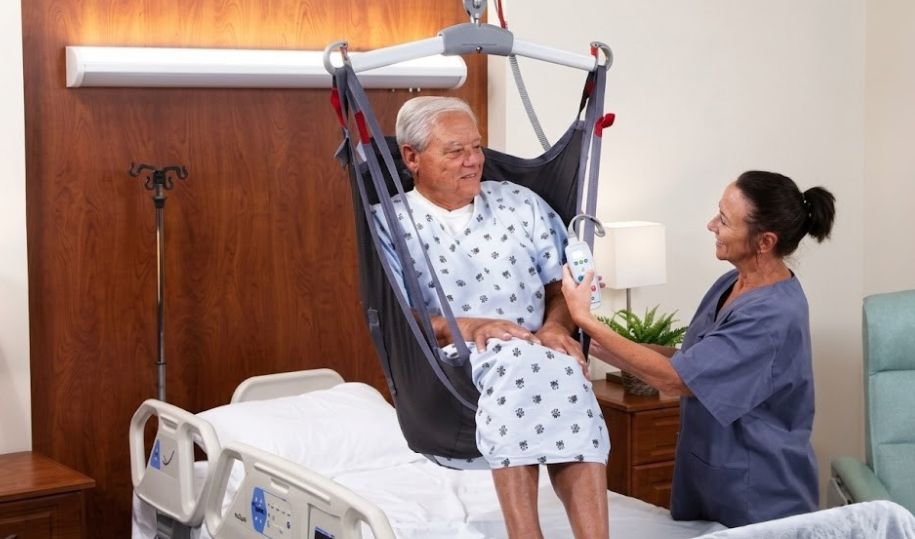
Ensuring patient safety and comfort during transfers is the single most important task in healthcare mobility. Using a medical lift for patients doesn't just make the job easier it virtually eliminates the risk of "never events" like falls and caregiver back injuries.
At Rescue Supply, we provide the tools that bridge the gap between mobility limitations and independence. This guide covers how to choose the right equipment and, more importantly, how to execute a transfer with professional-grade safety.

Choosing the Right Tool for the Job
Not all transfers are created equal. Using the wrong equipment can cause patient anxiety or physical strain. Understanding lift types ensures you are providing the highest level of care.
Common Lift Types
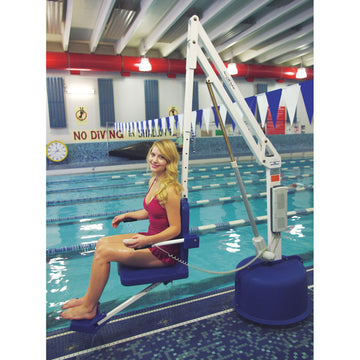
- Hoyer Lifts: The industry standard for full-body transfers, allowing safe movement from the floor, bed, or chair.
- Electric Lifts: Preferred for frequent daily use; these use battery power to eliminate the physical effort of manual pumping.
- Manual Lifts: Cost-effective and highly reliable for areas without power access or as a dependable emergency backup.
Why Use a Lift at Home?
A portable patient lift transforms home care from a physically demanding struggle into a safe, repeatable routine by:
- Preserving Dignity: Eliminates the need for "manhandling" or tugging on a patient's clothing and limbs.
- Preventing Caregiver Injury: Protects the caregiver’s spine from the high-torque forces of manual lifting.
- Enhancing Access: Enables easy movement between bedrooms, bathrooms, and living areas that might otherwise be inaccessible.
Mastering the Safe Transfer Protocol
Safety in patient handling isn't an accident it's the result of a rigorous process. Follow these industry-standard steps before you even begin the move.
Step 1: The Pre-Lift Inspection
- Check the Sling: Inspect for frayed edges, "thin" spots, or torn loops. Never use a compromised sling.
- Verify Power: For electric models, ensure the battery is charged. For hydraulic models, check for fluid leaks.
- Confirm Weight Capacity: Verify the patient’s weight against the lift's Safe Working Load (SWL).
Step 2: Environment Control
- Lock the Wheels: Always lock the brakes on the bed or wheelchair. Note: Leave the lift wheels unlocked during the actual hoisting to allow it to find its center of gravity.
- Open the Base: Spread the lift legs to the widest position during the transfer to prevent tipping.

The 5-Step Execution Guide
- Sling Positioning: Gently roll the patient to slide the sling underneath. Ensure the bottom edge is at the base of the spine, and the sling is centered to prevent leaning.
- The Hook-Up: Attach the loops to the spreader bar. Always use matching color loops on both sides to ensure the patient remains level and secure.
- The "Check Lift": Raise the patient just 2 inches off the surface. Pause. Double-check all clips and loops to ensure they are seated correctly before continuing.
- The Move: Keep the patient facing the mast or the caregiver. Move slowly. Use the steering handle to guide the lift; do not pull on the patient’s body.
- The Landing: Slowly lower the patient, guiding their hips into the back of the chair or the center of the bed. Ensure they are fully supported before unhooking the straps.
The "Golden Rule" of Patient Lifting
Never leave a patient unattended while in a lift. Even a momentary distraction can lead to a shift in weight or a fall. Always prepare your destination whether it’s a commode or a wheelchair before you begin the lift.
Browse All Patient Lift SolutionsTop-Rated Lifts for 2026
1. Handicare Carina350 Mobile Patient Lift
Best for Small Spaces: This lightweight, foldable lift is perfect for residential hallways and tight bathrooms without sacrificing lifting power.
2. Rhythm Healthcare Hydraulic Lift
Best Value: A rugged, "no-nonsense" steel lift that provides smooth hydraulic power. It’s the ultimate reliable backup for any home or facility.
3. ConvaQuip Maxi Care 1000PL
Best for Bariatric Care: Specifically engineered for safety with a massive 1000 lb capacity and power-operated features to protect caregivers from extreme strain.
Conclusion
A medical lift is more than a piece of equipment; it’s a commitment to safety and quality of life. By choosing the right model and following a strict safety protocol, you ensure that every transfer is secure, dignified, and stress-free.
Need help deciding which lift fits your specific needs? Rescue Supply experts are ready to help you find the perfect match for your home or facility.