




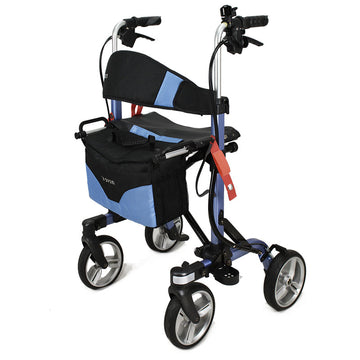
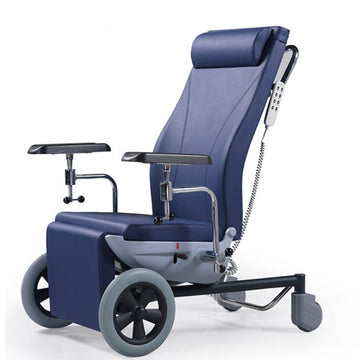





Choosing the right home wheelchair is a vital step toward regaining independence. However, the wheelchair is only half the equation. Selecting the correct mobility ramp is equally crucial for ensuring safety and seamless access. This guide provides the precise details you need to choose the perfect ramp for your home and lifestyle.
Common Types of Wheelchair Ramps

Portable Ramps
Foldable and lightweight, these are perfect for occasional use or travel. These often feature "suitcase" designs that make accessing vehicles or visiting friends significantly easier.
Shop Portable Ramps
Threshold Ramps
Designed for minor height differences like doorways or small steps. These eliminate "lip" hazards, providing a smooth transition for both power chairs and manual wheelchairs.
View Threshold Options
Modular Ramps
Highly customizable and adjustable. These semi-permanent sections are ideal for main home entrances, offering high-strength stability without the permanence of concrete.
Explore Modular SystemsKey Factors to Consider
Before purchasing, evaluate these critical elements to ensure safety and long-term utility:
- Slope and Length: For residential use, a 1:12 slope ratio is the standard (every 1 inch of vertical rise requires 1 foot of ramp length). If the user is in a manual chair and has limited upper body strength, a more gradual 1:15 ratio may be safer.
- Weight Capacity: Calculate the "total load"—this includes the weight of the wheelchair, the user, and any oxygen tanks or bags. Most high-quality ramps support between 600 lbs and 800 lbs.
- Material Selection: Aluminum is the gold standard for its rust-resistance and strength-to-weight ratio. Rubber is excellent for interior thresholds due to its natural grip and quiet operation.
- Surface Traction: Ensure the ramp has a high-traction surface (like punched aluminum or grit-tape) to prevent wheels from slipping during inclement weather.
Top Recommended Wheelchair Ramps

1. Rampit USA Independence Series
A residential powerhouse. This 48" wide aluminum ramp is rust-free and features an open-mesh surface that allows rain and snow to pass through, ensuring a clear path year-round.
View Product Details
2. Roll-A-Ramp Modular System
The ultimate in flexibility. This system can be configured from 5' to 30' and "rolled up" for transport. It’s an excellent non-permanent alternative to wood ramps and usually requires no building permits.
Customize Your LengthInstallation & Maintenance Tips
Proper upkeep is the key to preventing accidents. Follow these best practices:
- Verify Level Ground: Ensure the base of the ramp rests on a flat, stable surface (concrete or packed gravel) to prevent shifting or tipping.
- Hardware Checks: Vibrations from daily use can loosen bolts over time. Perform a "tightness check" every six months.
- Clear Debris: Keep the ramp free of leaves, ice, and dirt, which can create a slick film and reduce traction.
- Handrail Stability: If your ramp is over 6 inches high, handrails are highly recommended to provide the user with additional points of contact.
Ready to improve your home's accessibility?
Browse our full collection of high-quality ramps designed for safety and durability.
Shop All Mobility Ramps