







Defibrillator Pads
Keep your defibrillator ready and reliable with our AED Pads, designed for fast, accurate response in cardiac emergencies. These easy-to-use, adhesive electrode pads ensure proper shock delivery and are compatible with a range of AED models. Ideal for both adult and pediatric use, they support quick placement, strong adhesion, and consistent performance making them essential for public safety, medical facilities, and emergency responders.

You may also like:
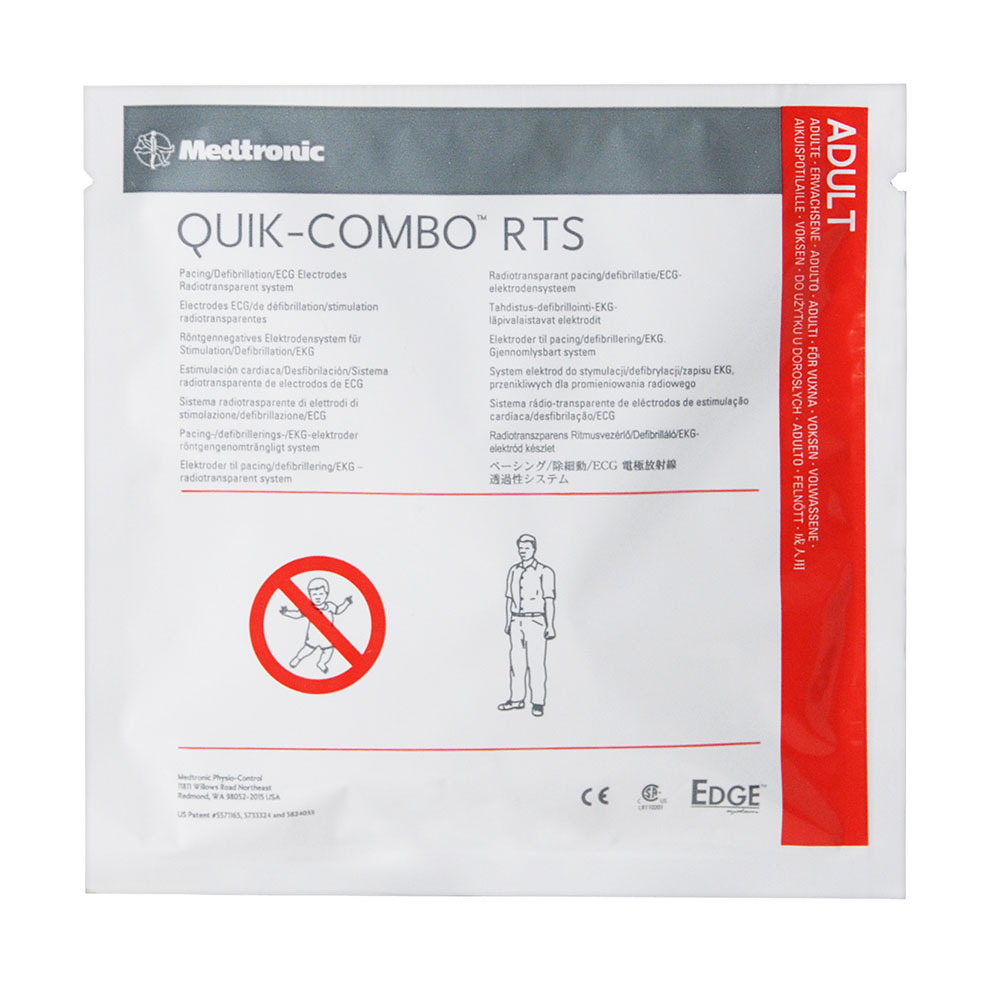
Heartsmart Electrode Adult No Preconnect Quik-Combo
Factory Direct Ships 2-3 Days! (Estimated) More info

You may also like:
Physio-Control LIFEPAK CR2 AED Training System Replacement Electrode Pads
Factory Direct Ships 2-3 Days! (Estimated) More info

You may also like:
Physio-Control Pediatric Electrode Pad Starter Kit
Factory Direct Ships 2-3 Days! (Estimated) More infoFrequently Asked Questions
Find answers to commonly asked questions below.
-
What is an AED pad?
An AED pad is an adhesive electrode used with Automated External Defibrillators to deliver shocks. It detects heart rhythm and administers therapy. Pads are single-use for hygiene. They come in adult and pediatric sizes. Essential for cardiac arrest response. Replace after use or expiration. Training includes pad use. Consult manuals for compatibility.
-
What is the correct placement of the AED pads?
The correct placement of AED pads is one on the upper right chest and the other on the lower left side. For children, use pediatric pads if available. Follow diagrams on pads. Ensure skin is clean and dry. Proper placement ensures effective shock. Training courses teach this. It's critical for success. Consult professionals for demonstrations.
-
How long are AED pads good for?
AED pads are good for 2-5 years, depending on the brand and storage. Check expiration date on packaging. Store in cool, dry places. Expired pads may not adhere or conduct well. Regular checks are important. Replace promptly. It's part of maintenance. Consult suppliers for specifics.
-
Why are AED pads so expensive?
AED pads are expensive due to medical-grade materials and technology for conductivity. They include gel for adhesion and sensors. Manufacturing under strict regulations adds cost. Single-use design ensures safety. R&D investment contributes. Prices range $50-100 per set. Value is in life-saving potential. Bulk buys may save money.


