









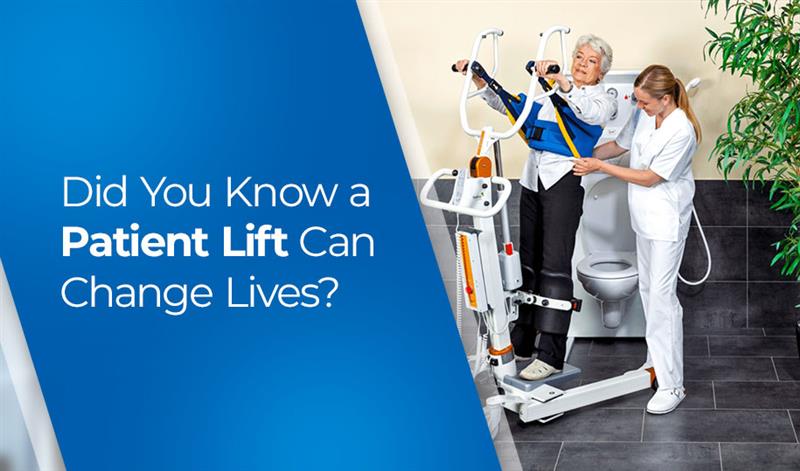
Caring for someone with limited mobility can be physically and emotionally overwhelming, especially during transfers from bed to chair. Patient lifts also known as hoists provide a safe, gentle way to move individuals without the heavy strain on caregivers. By reducing physical effort, improving transfer safety, and offering peace of mind, these devices make daily care easier and more secure for both patients and caregivers.
Real-Life Impact of Patient Lifts
Patient lift benefits extend far beyond simple convenience. One of the most significant advantages lies in injury prevention. Transfers between beds, chairs, or wheelchairs pose a high risk of falls and musculoskeletal injuries for both patients and caregivers. Using a patient lift drastically reduces these dangers by providing stable, controlled movement, eliminating sudden shifts that can cause accidents.
Increased patient independence is another crucial outcome. Many individuals with limited mobility regain a sense of autonomy as they require less physical assistance during transfers. For example, a patient recovering from hip surgery might feel more secure and confident moving with the help of a sit-to-stand lift, allowing them to participate actively in their care routine.
Daily care becomes safer and more manageable through practical applications:
- A caregiver no longer struggles to manually lift a heavy patient from bed to chair.
- Falls during transfers are virtually eliminated thanks to secure sling support.
- Patients experience less anxiety knowing they are safely supported.
Caregivers report enhanced confidence as their workload becomes more ergonomic. Reduced physical strain means less fatigue and fewer work-related injuries, which contribute to better-quality care and improved morale. The ability to operate lifts with ease transforms demanding tasks into smoother interactions, fostering a positive environment for everyone involved.
Types of Patient Lifts Explained
Patient lifts come in several designs tailored to different care environments and patient needs. Understanding the types of patient lifts helps caregivers select the most suitable option.
1. Ceiling Lifts

These are permanently installed overhead systems mounted on tracks attached to the ceiling. Ceiling lifts free up valuable floor space, making them ideal for smaller rooms or busy care settings. The lift travels smoothly along fixed rails, allowing effortless transfers between bed, wheelchair, and bathroom without repositioning a mobile unit. Their discreet installation supports continuous accessibility while minimizing trip hazards for caregivers.
2. Floor Lifts

Floor lifts are versatile, mobile units equipped with a boom and spreader bar from which a sling is suspended. They can be wheeled into place as needed and used across multiple rooms or facilities. This flexibility suits home care scenarios or healthcare environments where ceiling installations aren't feasible. Powered electrically or hydraulically, floor lifts handle a wide range of patient weights and sizes while offering stable, secure transfers.
3. Sit-to-Stand Lifts

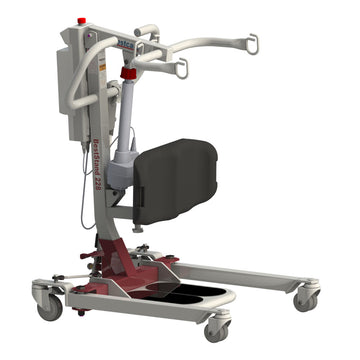
Designed for patients who retain some ability to bear weight but need assistance standing safely, sit-to-stand lifts provide support during the transition from sitting to standing posture. These lifts typically feature padded supports under the arms and a sling around the torso or legs to prevent falls. Sit-to-stand lifts encourage mobility and independence by enabling patients to engage in weight-bearing activities with confidence while reducing caregiver strain.
Each type addresses distinct mobility challenges and care settings, ensuring safe, efficient transfers tailored to individual needs.
Who Benefits Most from Patient Lifts?
Patient lifts are important tools designed to help various individuals with mobility challenges. Knowing who benefits most from these devices can help caregivers select appropriate equipment and enhance the quality of care.
Seniors Mobility Aid
- Aging often brings reduced strength, balance issues, or chronic conditions limiting movement.
- Seniors benefit greatly from patient lifts as these devices provide safer transfers between beds, chairs, or wheelchairs.
- The risk of falls and injuries decreases significantly, promoting dignity and comfort during daily routines.
- For many seniors, a patient lift is a critical mobility aid that supports independence while minimizing caregiver strain.
Post-Surgery Recovery and Limited Mobility Patients
- Individuals recovering from surgery or injury often experience temporary or partial loss of mobility.
- Patient lifts enable gentle, controlled transfers that help prevent pain, discomfort, or accidental strain on healing tissues.
- These lifts assist in repositioning patients who cannot support their weight fully without risking further injury.
- Safe handling during recovery accelerates rehabilitation by encouraging movement within safe limits.
Bariatric Patient Support
- Bariatric patients require specialized lifts designed to accommodate higher weight capacities while ensuring safety and comfort.
- Standard lifts may not provide adequate support; bariatric patient lifts feature reinforced components and wider bases for stability.
- These devices reduce the risk of injury to both patients and caregivers when transferring individuals with larger body sizes.
- Using appropriate bariatric lift systems fosters dignity and respect by addressing specific strength and size requirements effectively.
Understanding what is a patient lift in relation to these groups highlights how this technology adapts across different needs. Whether aiding seniors, supporting post-operative care, or managing bariatric transfers, patient lifts transform the caregiving experience by prioritizing safety, comfort, and efficiency.
Practical Insights for Caregivers Using Patient Lifts
Using a patient lift efficiently enhances safety and reduces physical strain. Caregivers benefit from the device’s ease of operation, which often involves straightforward steps designed to minimize effort:
- Prepare the lift by ensuring it is in good working order, checking batteries or hydraulics.
- Position the sling properly under or around the patient according to manufacturer instructions.
- Secure all fasteners and clips firmly before initiating the lift.
- Operate controls smoothly, whether manual or electric, to raise or lower the patient gently.
- Move the lift carefully when transferring between locations, locking wheels when stationary for stability.
Understanding space requirements is important for selecting and using lifts comfortably in homes or care facilities:
- Ceiling lifts require permanent mounting and overhead clearance but free up floor space, ideal for smaller rooms or tight areas.
- Mobile floor lifts need enough clearance to maneuver around beds, chairs, and other furniture typically a minimum of 3 feet on all sides for safe operation.
- Sit-to-stand lifts are more compact but still require room for positioning behind the patient and operating the base spreader legs.
Adequate space planning combined with simple operating procedures creates a safer environment that protects both patients and caregivers from injury while maximizing comfort during transfers.
Recommended Patient Lifts for Home Use
Choosing the right patient lift is crucial for enhancing safety and comfort in home health care settings. Rescue Supply patient lifts offer a versatile selection tailored to meet the varied mobility needs and living spaces of patients.
Key options available include:
- Mobile floor lifts - Equipped with sturdy booms and spreader bars, these lifts provide flexibility to move between rooms, supporting transfers from bed to wheelchair or chair with ease.
-
Sit-to-stand lifts - Designed for patients who can partially bear weight, these units assist in transitioning from sitting to standing positions safely, promoting independence while reducing caregiver strain.
Each product from Rescue Supply is engineered with user-friendly controls and durable construction, ensuring reliability and peace of mind. Their range addresses common concerns about what is a patient lift by combining functionality with ergonomic design, ideal for home environments where space and ease of use are priorities.
Investing in Rescue Supply’s home health care equipment means empowering caregivers and patients alike with solutions that truly change lives.
"


