







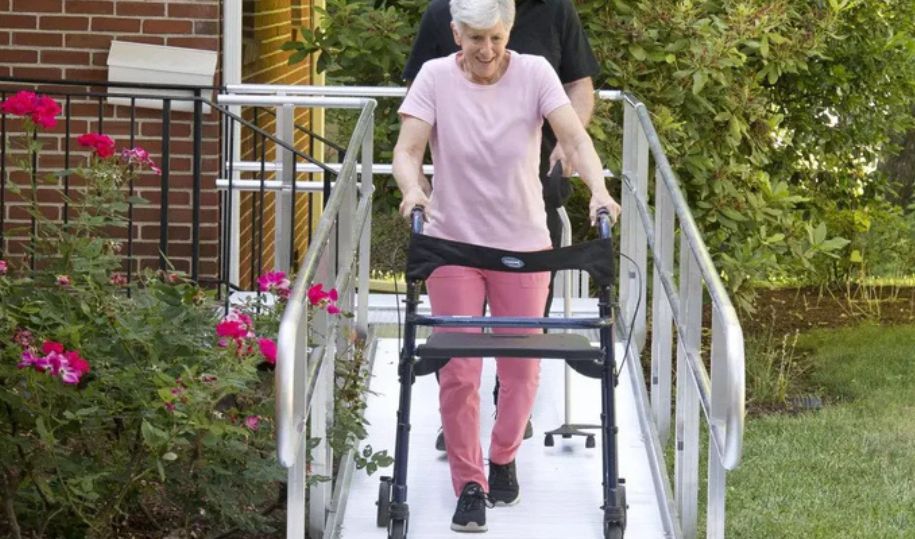
When it comes to making spaces accessible to everyone, ramps play a crucial role in ensuring a barrier-free environment. Whether it's for individuals with mobility challenges, seniors, or those using wheeled devices, selecting the right accessibility ramp is essential to provide safety, independence, and ease of use.
Understanding the Importance of Accessibility Ramps
Accessibility ramps are more than just a convenience they are a fundamental tool for inclusivity. They ensure that people with disabilities can navigate public spaces, businesses, and their own homes with dignity. By providing a smooth transition between elevations, ramps empower users of wheelchairs, mobility scooters, and walkers to move freely without barriers, significantly reducing the risk of falls and injuries.
Assessing the Type of Ramp Needed
Before making a purchase, it's vital to assess the specific requirements of your environment and the weight requirements of the user. Not all spaces are created equal, and different settings require specialized solutions tailored to the height of the rise and the available footprint.
Modular Ramps
Versatile and highly customizable. Perfect for both temporary and permanent installations that require specific configurations, such as turns or landings.
Threshold Ramps
Designed for small elevation changes like doorways, sliding glass doors, or curbs. An ideal, low-profile solution for home and office entryways.
Folding Ramps
Lightweight and portable. These are the go-to choice for users who need accessibility while traveling, visiting friends, or navigating vehicle entries.
Solid Ramps
Durable and stable. Usually built from high-grade aluminum or heavy-duty rubber, these provide a permanent accessibility solution for high-traffic use.
Compliance with Accessibility Guidelines
To ensure maximum safety, it is essential to adhere to ADA (Americans with Disabilities Act) standards. The gold standard for ramp pitch is 1:12 meaning for every 1 inch of vertical rise, you need at least 1 foot (12 inches) of ramp length. This ensures the incline is shallow enough for independent use. At Rescue Supply, we prioritize these safety metrics in every ramp we offer.
Key Factors for Safety and Use
Length and Slope: A gradual slope is much easier to manage. Steeper ramps require significantly more upper body strength and can pose a safety risk for manual wheelchair users or those with limited stamina. Always measure the "total rise" before selecting your ramp length.
Weight Capacity: Always check the weight rating. You must account for the combined weight of the user and the mobility device. Most high-quality ramps support between 600 lbs and 800 lbs.
Essential Safety Features: Never compromise on safety. High-quality ramps should feature:
- Anti-slip surfaces: Look for grit-coated or perforated surfaces for traction.
- Raised side edges: To prevent wheels from accidentally slipping off the side.
- Sturdy handrails: Essential for stability and balance.
Portability and Professional Care
If you need a ramp for occasional use, look for portable models that feature integrated carrying handles. However, for permanent installations involving complex heights, professional installation is highly recommended to ensure the structure meets local building codes.
Ready to find the perfect ramp?
At Rescue Supply, we offer a wide selection of top-quality, slip-resistant access ramps tailored to your specific home or business needs.
Call an Expert: 800-239-1797Or use our online comparison tool to find your match.