







AED Cabinets
In a cardiac emergency, every second is a critical factor in the chain of survival, making the accessibility of your life-saving equipment paramount. Professional AED defibrillator cabinets provide a centralized, highly visible location that ensures bystanders and trained responders can locate and deploy a defibrillator without delay. Beyond mere visibility, these specialized housing units protect your investment from environmental debris, moisture, and unauthorized tampering, ensuring that when the door is opened, the device is fully functional and ready for immediate use.
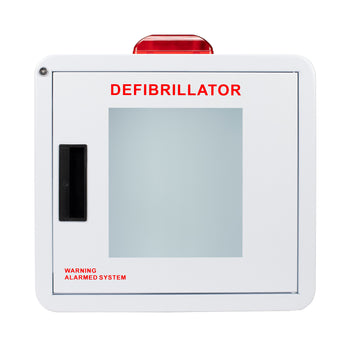
Our selection includes a wide array of configurations designed to meet the rigorous standards of hospitals, government buildings, and industrial job sites. From ADA-compliant slim-profile cabinets that maintain required hallway clearances to heavy-duty, alarmed units featuring 120dB sirens and flashing LED strobes, we provide the specific security features your facility requires. Constructed from high-grade 0.8mm cold-rolled steel and finished with impact-resistant powder coating, these cabinets are engineered for long-term durability in high-traffic environments and are compatible with all major AED brands, including ZOLL, Defibtech, and Philips.
Standardizing your facility's safety infrastructure with professional-grade housing is a vital component of any public access defibrillation (PAD) program. Whether you are looking for a basic non-alarmed unit for a small office or a multi-unit rollout for a large-scale municipal project, our team provides the technical expertise and inventory to support your procurement needs. Ensure your life-saving technology is protected and easy to find during a crisis—browse our full collection of professional cabinets and secure your facility today.

You may also like:
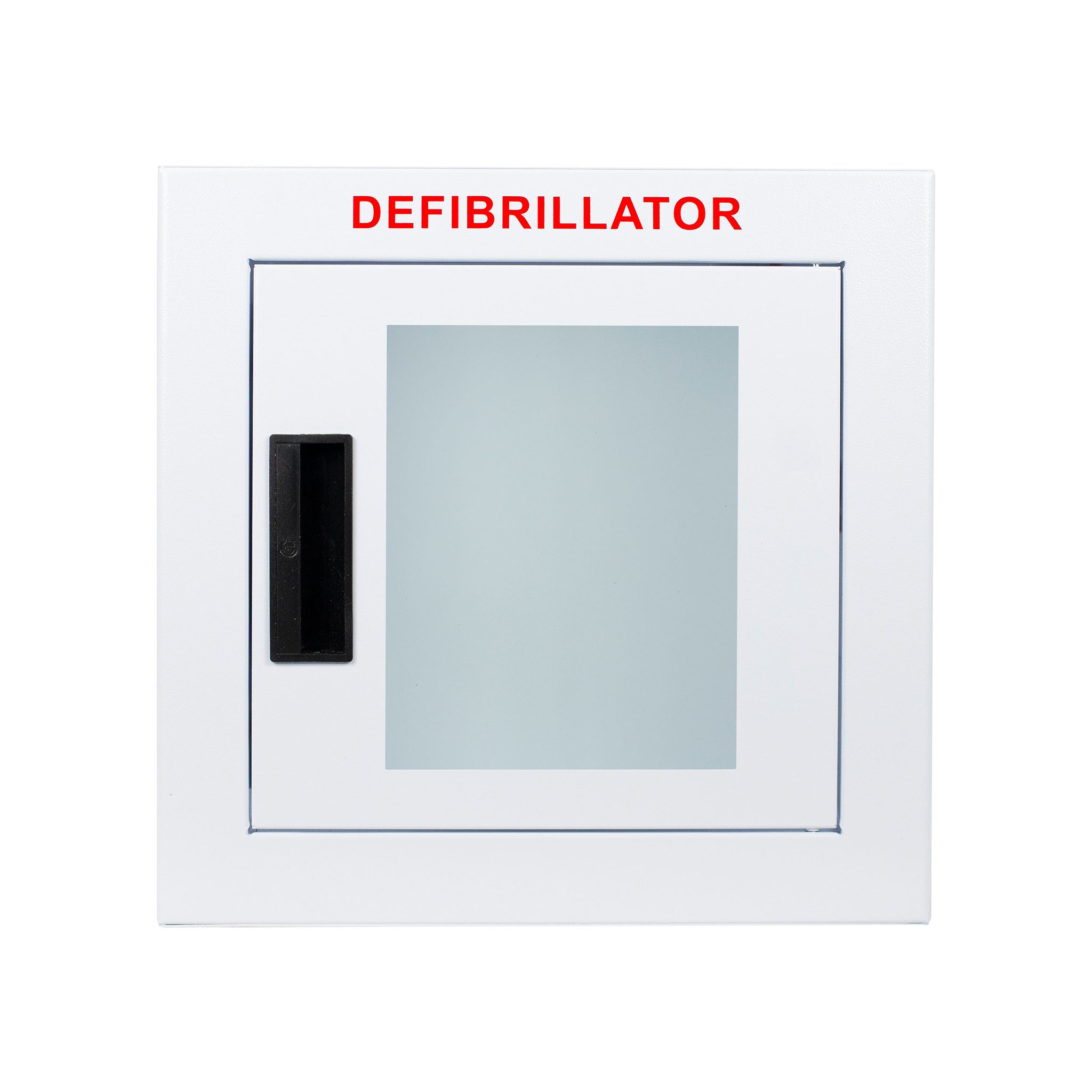
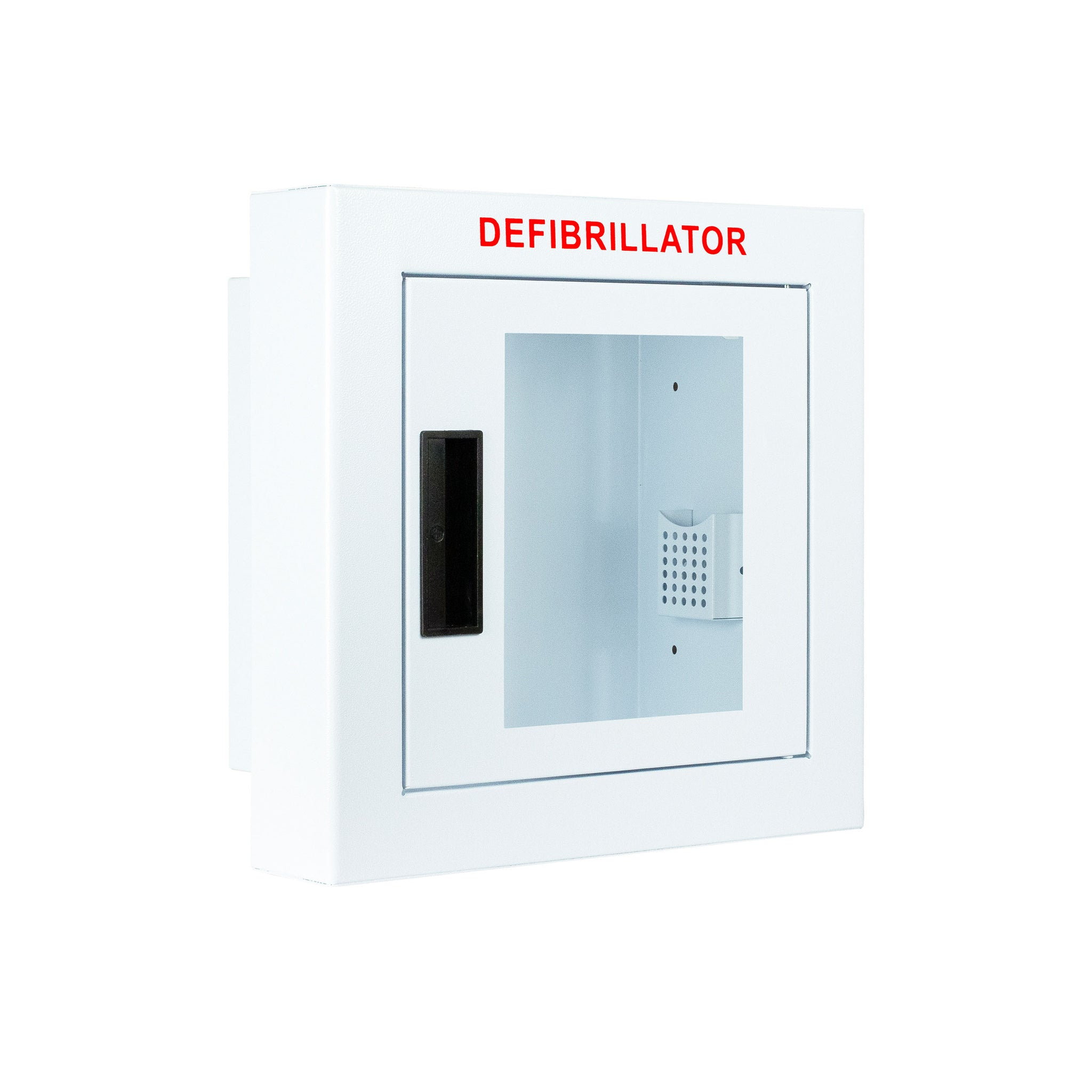
Cubix Safety Semi-Recessed Compact AED Cabinet – Low-Profile Institutional AED Storage
Factory Direct Ships 2-3 Days! (Estimated) More info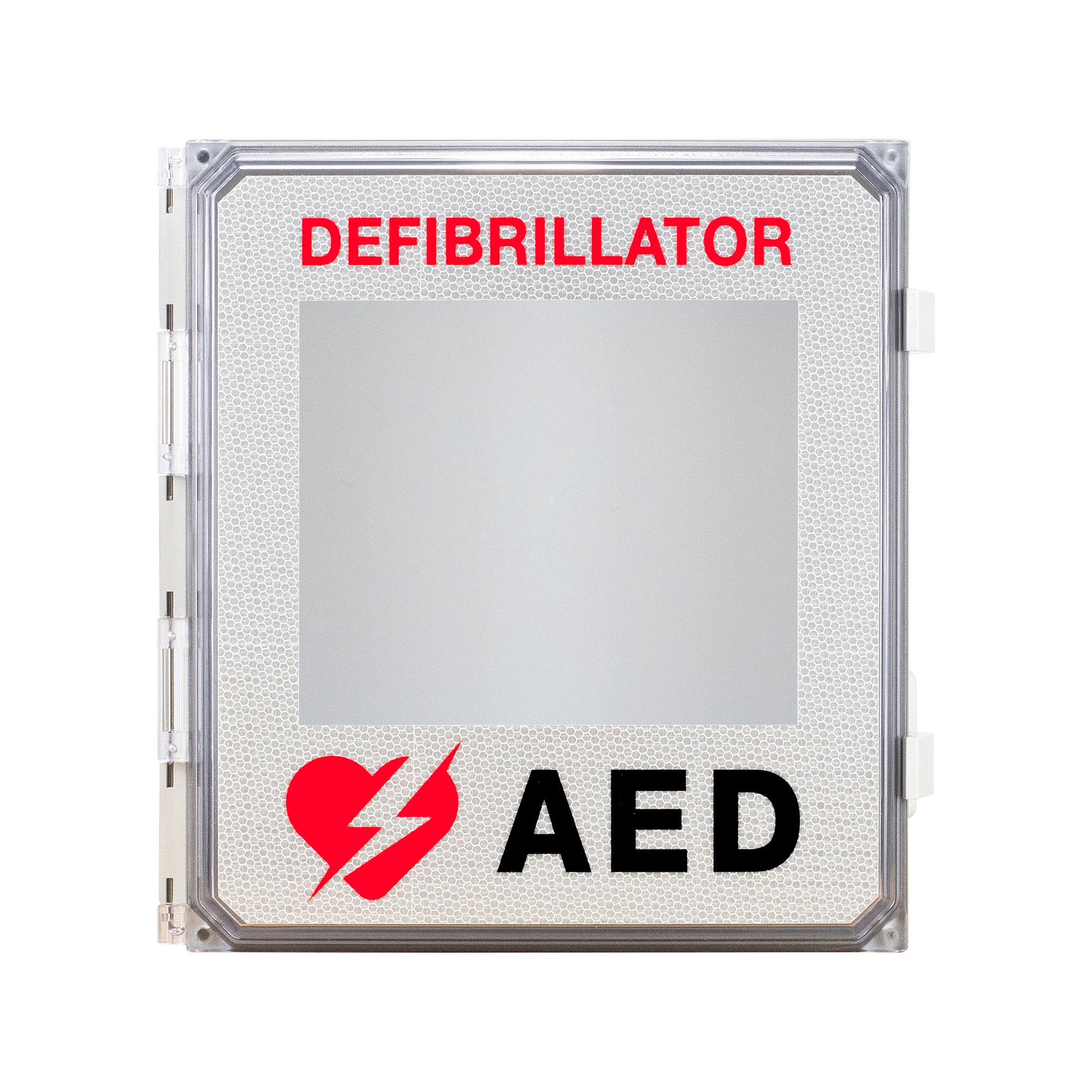
You may also like:
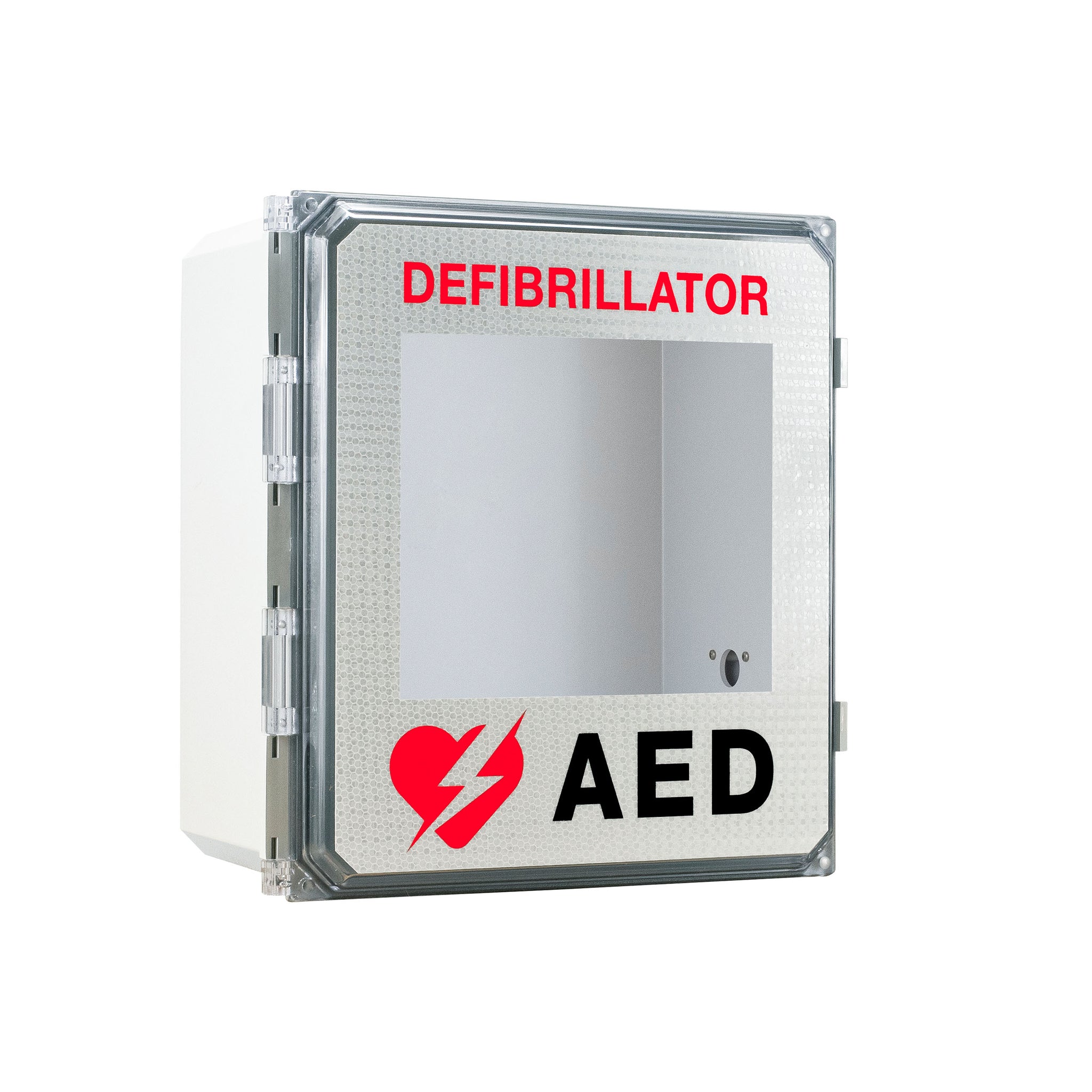
Cubix Safety Outdoor AED Non-Alarmed Cabinet
Factory Direct Ships 2-3 Days! (Estimated) More info

You may also like:
Cubix Safety SR-LN Semi-Recessed Large AED Cabinet | Non-Alarmed Steel Wall Mount
Factory Direct Ships 2-3 Days! (Estimated) More info

You may also like:
CubiX Safety Fully Recessed Compact Cabinet (No Alarm)
Factory Direct Ships 2-3 Days! (Estimated) More info
You may also like:
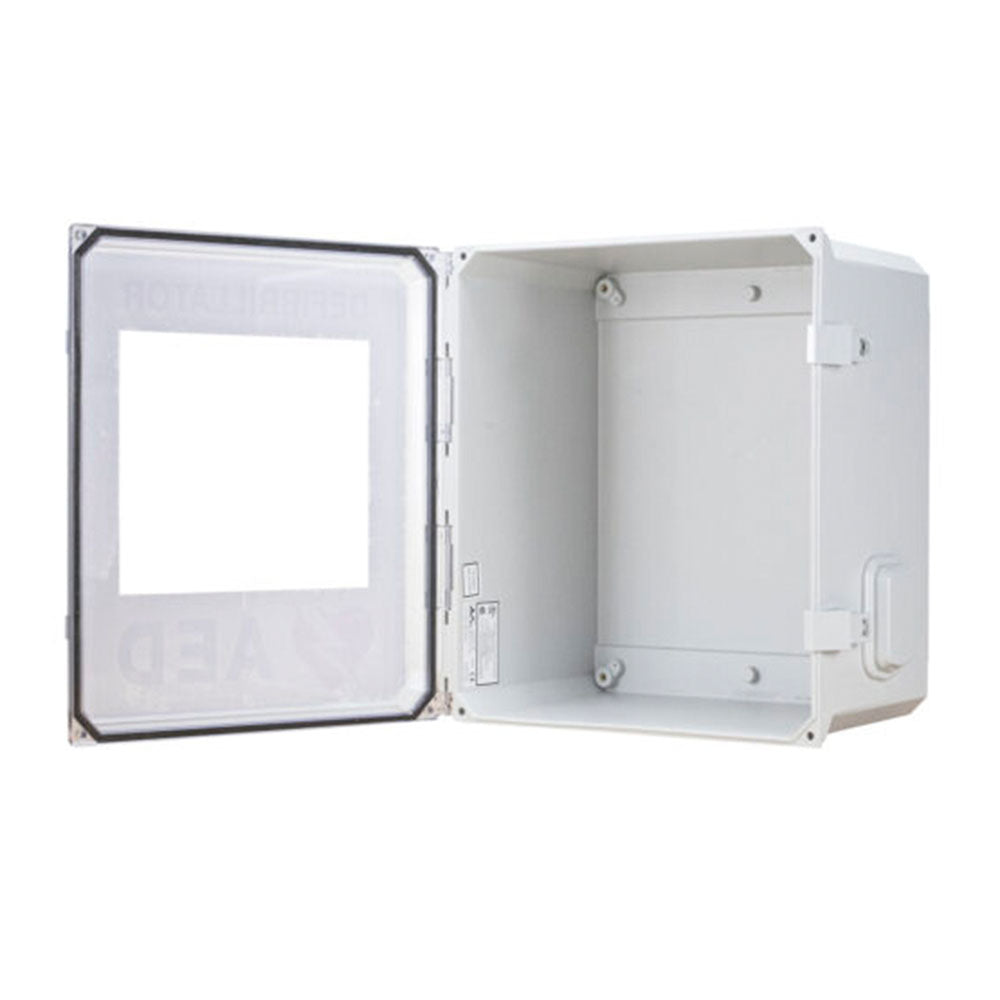
Cubix Safety Non-Alarmed Outdoor Bleeding Control Cabinet for Public Access Trauma Kits
Factory Direct Ships 2-3 Days! (Estimated) More info

You may also like:
Cubix Safety Large Kit Storage Cabinet for Universal AED and Medical Supply Housing
Factory Direct Ships 2-3 Days! (Estimated) More info

You may also like:
Cubix Safety Compact Kit Storage Non-Alarmed Cabinet
Factory Direct Ships 2-3 Days! (Estimated) More info

You may also like:
Cubix Safety Fully Recessed Large AED Non-Alarmed Cabinet
Factory Direct Ships 2-3 Days! (Estimated) More info

You may also like:
Cubix Safety Premium Compact Non-Alarmed AED Cabinet
Factory Direct Ships 2-3 Days! (Estimated) More info

You may also like:
Cubix Safety CB1-LN Premium Large Non-Alarmed AED Cabinet
Factory Direct Ships 2-3 Days! (Estimated) More info

You may also like:
Cubix Safety Standard Compact Non-Alarmed AED Cabinet
Factory Direct Ships 2-3 Days! (Estimated) More info

You may also like:
Cubix Safety Standard Large AED Cabinet without Alarm
Factory Direct Ships 2-3 Days! (Estimated) More infoFrequently Asked Questions
Find answers to commonly asked questions below.
-
Does your selection of AED wall cabinets meet ADA requirements regarding hallway protrusion and mounting heights for public buildings?
Our AED wall cabinets are available in recessed and semi-recessed configurations that strictly adhere to ADA standards by protruding less than four inches from the wall. This design ensures that your facility remains compliant with federal accessibility laws by preventing hazards for visually impaired individuals in public corridors. Beyond depth requirements, these units are designed to be mounted at reachable heights that accommodate individuals in wheelchairs, ensuring universal access to life-saving equipment. Each cabinet features rounded "safety corners" and high-visibility branding to meet municipal safety codes for public access defibrillation programs. By selecting these compliant housings, procurement officers can avoid costly facility retrofits and potential liability during safety inspections.
-
How do these cabinets facilitate rapid access and visibility during a cardiac emergency in high-traffic or noisy industrial environments?
Rapid access is ensured through the use of high-decibel internal sirens and high-intensity LED strobes that activate immediately upon opening the cabinet door. In loud industrial environments, the visual strobe provides a critical secondary alert to staff that an emergency is in progress, even if the audible alarm is dampened by machinery. The cabinets utilize a magnetic or mechanical door latch that requires no key or complex turning motion, allowing for one-handed operation during a high-stress event. The large, transparent acrylic window is treated for impact resistance while providing a clear view of the device's status indicator. This dual-alert system significantly reduces the "time-to-shock" by alerting nearby responders and pinpointing the exact location of the equipment.
-
What is the total cost of ownership (TCO) and durability outlook for steel vs. plastic AED housing in commercial settings?
Investing in our cold-rolled steel cabinets provides a significantly lower total cost of ownership compared to plastic alternatives due to their superior resistance to impact and environmental degradation. While the initial capital expenditure for a steel unit may be higher, the powder-coated finish prevents corrosion and mechanical wear in high-traffic areas, extending the product's functional lifespan to over a decade. Plastic units often suffer from UV degradation or hinge failure under heavy use, leading to frequent replacement costs and potential device exposure. Our cabinets use aerospace-grade hardware for hinges and latches, ensuring the door remains functional through years of routine safety checks. This durability makes them the preferred choice for government and industrial buyers focused on long-term asset protection.
-
Are these cabinets compatible with all major AED brands and can they accommodate units equipped with large carrying cases?
These universal cabinets are engineered with a spacious interior volume designed to accommodate all major automated external defibrillator brands, including those stored in bulky, ruggedized carrying cases. The adjustable internal shelving or bracket systems allow you to customize the fit for specific units like the ZOLL AED Plus or the HeartSine Samaritan, preventing the device from shifting during door activation. By providing a standardized housing solution, facility managers can maintain a uniform look across a campus even if they utilize a mixed fleet of AED devices. The interior dimensions are specifically calculated to allow enough room for "prep kits" and spare electrode pads to be stored alongside the main unit. This versatility simplifies procurement by eliminating the need to source brand-specific cabinets for every different device in your inventory.
-
Can the integrated alarm and strobe systems be connected to a central facility security network for remote notification?
Most of our alarmed cabinet models feature internal dry-contact relays that allow for seamless integration with your existing building security or fire alarm system. When the cabinet door is opened, the relay can trigger a remote notification at a security desk or activate a localized camera feed to monitor the rescue effort. This connectivity is vital for large-scale facilities where an AED deployment in a remote wing might otherwise go unnoticed by central medical response teams. The alarm systems are typically powered by independent 9V batteries to ensure functionality during power outages, but they can be hardwired into the building's load capacity for permanent power. This technical scalability ensures that your cardiac response program is integrated into the broader safety infrastructure of the organization.


