






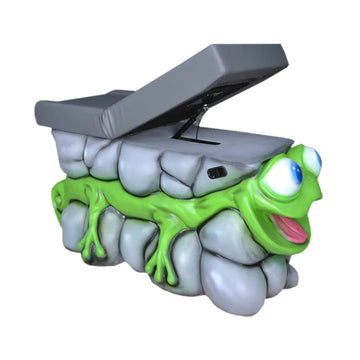
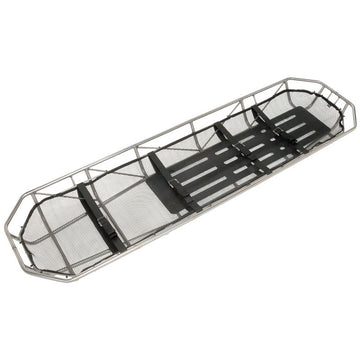
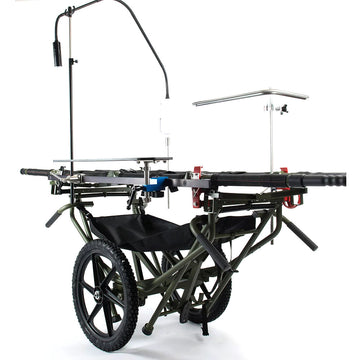
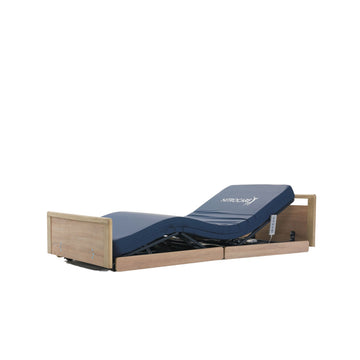
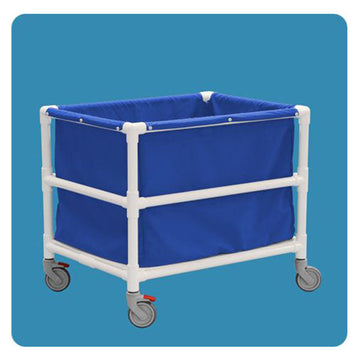

Stretchers
Whether you are equipping a first-response vehicle or upgrading a clinical facility, having the right stretchers on hand is the difference between a standard transport and a seamless, life-saving operation. Our curated collection focuses on the intersection of patient comfort and technician ergonomics. We understand that in high-pressure environments, you need equipment that responds instantly, providing a stable and secure platform for patients when every second counts.
Our selection features a variety of specialized designs, from heavy-duty ambulance cots to lightweight folding models for rapid tactical deployments. Each unit is engineered with high-strength materials such as reinforced aluminum alloys, ensuring durability without adding unnecessary weight. Key features include adjustable height settings, multi-position backrests, and intuitive locking mechanisms that guarantee safety during transit across uneven terrain. These tools are built to withstand the rigors of daily emergency use while remaining easy to sanitize and maintain.
Invest in reliability today by choosing from our industry-leading range of medical transport solutions. We offer competitive pricing and fast shipping to ensure your team is always mission-ready. Browse our full inventory of stretchers now to find the perfect fit for your specific rescue or clinical needs and experience the gold standard in patient handling.


You may also like:
First Aid Only Double Folded Stretcher
Factory Direct Ships 2-3 Days! (Estimated) More infoFrequently Asked Questions
Find answers to commonly asked questions below.
-
Do your medical stretchers meet the specific FDA and ISO certifications required for use in hospitals and government emergency services?
Yes, our stretchers are manufactured to meet or exceed FDA Class I medical device regulations and ISO 13485 quality standards for healthcare environments. These certifications ensure that each unit provides the reliable performance required by hospitals, EMS departments, and government facilities during critical patient transfers. Beyond regulatory paperwork, these units undergo rigorous stress testing to maintain structural integrity under high-frequency operational cycles. Utilizing certified equipment is a vital component of institutional risk management and helps protect your organization during safety audits. By choosing standardized, compliant hardware, you ensure that your medical response team is equipped with tools that meet modern diagnostic and safety benchmarks.
-
What is the maximum load capacity and structural durability of these stretchers when used in heavy-duty or bariatric transport?
Our professional-grade stretchers are engineered with a high load capacity—typically ranging from 350 to over 500 pounds—to accommodate a wide variety of patient demographics. The frames utilize lightweight but reinforced alloys or high-tensile steel to provide a stable platform that minimizes flexion during transport. Specialized safety straps and adjustable side rails come standard to ensure patient security during rapid movement or transitions between different floor surfaces. The surfaces are often treated with antimicrobial coatings to prevent cross-contamination and support rigorous infection control protocols. These technical specifications provide the durability necessary for both acute care settings and unpredictable field rescue operations.
-
How do these wheeled stretchers integrate with standard emergency vehicle loading systems and existing facility storage footprints?
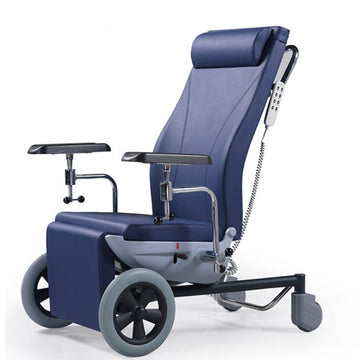
Many of our wheeled stretchers are designed with height-adjustable frames and universal landing gears to ensure seamless integration with standard ambulance loading systems. This compatibility allows for a smooth transition from the field to the vehicle, reducing the physical strain on first responders and improving patient outcomes. The wheelbase and caster designs are optimized for precision maneuverability in narrow hospital corridors and elevator systems. For facilities with existing equipment fleets, our units offer the standardized dimensions needed for efficient storage and deployment across multiple departments. This interoperability ensures that your facility's emergency response infrastructure remains cohesive and ready for large-scale incidents.
-
What is the expected maintenance lifecycle and total cost of ownership (TCO) for these units in high-frequency clinical environments?
The total cost of ownership is significantly reduced through the use of non-porous materials and corrosion-resistant hardware that withstand high-frequency chemical sanitization. While the initial capital expenditure for professional-grade units may be higher, the extended product lifecycle and reduced maintenance requirements lead to a superior long-term ROI. These stretchers are built to endure the rigors of 24/7 emergency service, preventing the financial losses associated with premature equipment failure or mechanical breakdown. Standardizing your inventory with durable hardware also simplifies the training process for your staff, further reducing operational overhead. By focusing on longevity and build quality, procurement officers can maximize their budget while ensuring the highest standards of patient safety.
-
Are there specific lightweight or folding options designed for high-mobility rescue operations in search and rescue or disaster response scenarios?
For search and rescue or facility evacuation scenarios, we offer specialized folding stretchers and lightweight rescue boards that prioritize rapid deployment and a minimal storage footprint. These units are designed to be carried over rough terrain or through confined spaces where a traditional wheeled gurney would be impractical. Despite their lightweight construction, they maintain high-tensile strength and are often compatible with helicopter hoist systems or ruggedized rescue litters. Their collapsible nature allows for dense storage in emergency equipment caches, ensuring that a facility is prepared for mass casualty events without sacrificing floor space. These portable solutions are essential for tactical medical teams and disaster response coordinators who require high-mobility equipment.


