









Mobility Batteries

You may also like:
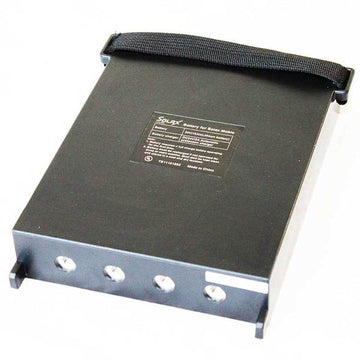
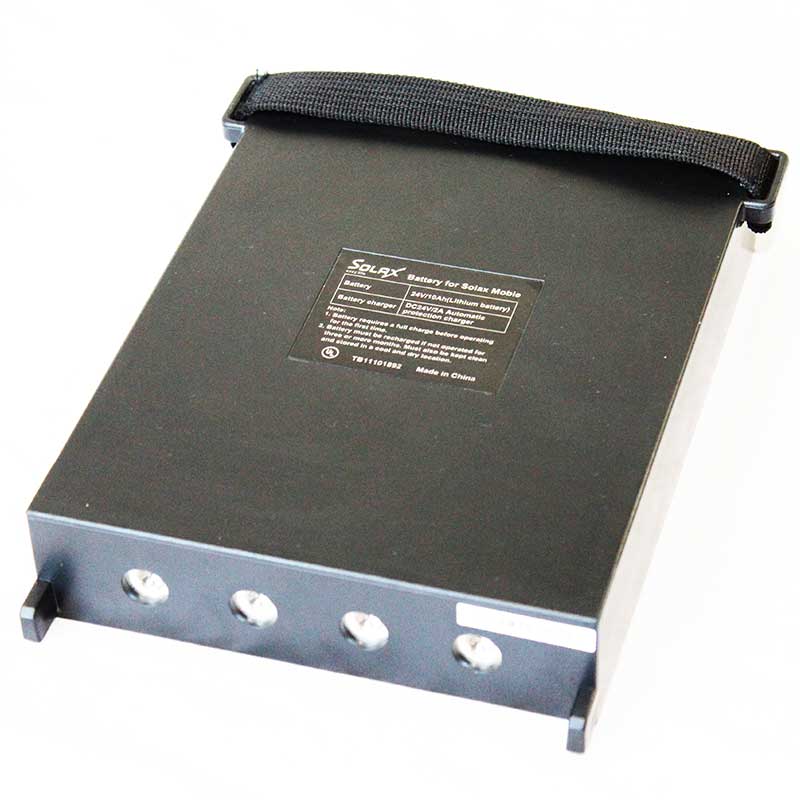
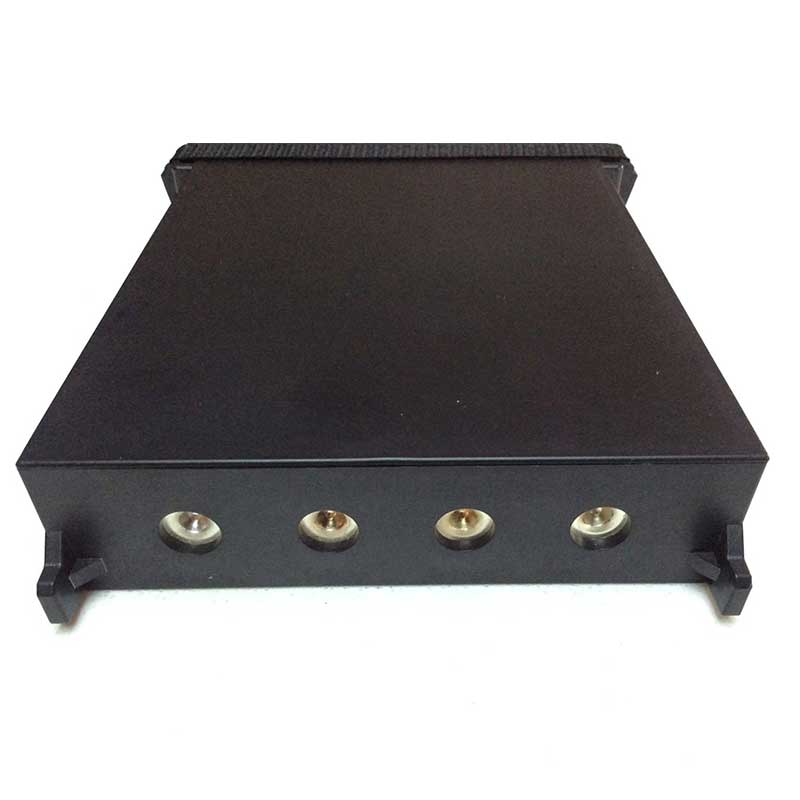
Solax 24V Lithium Battery for Transformer and Mobie Plus
Factory Direct Ships 2-3 Days! (Estimated) More info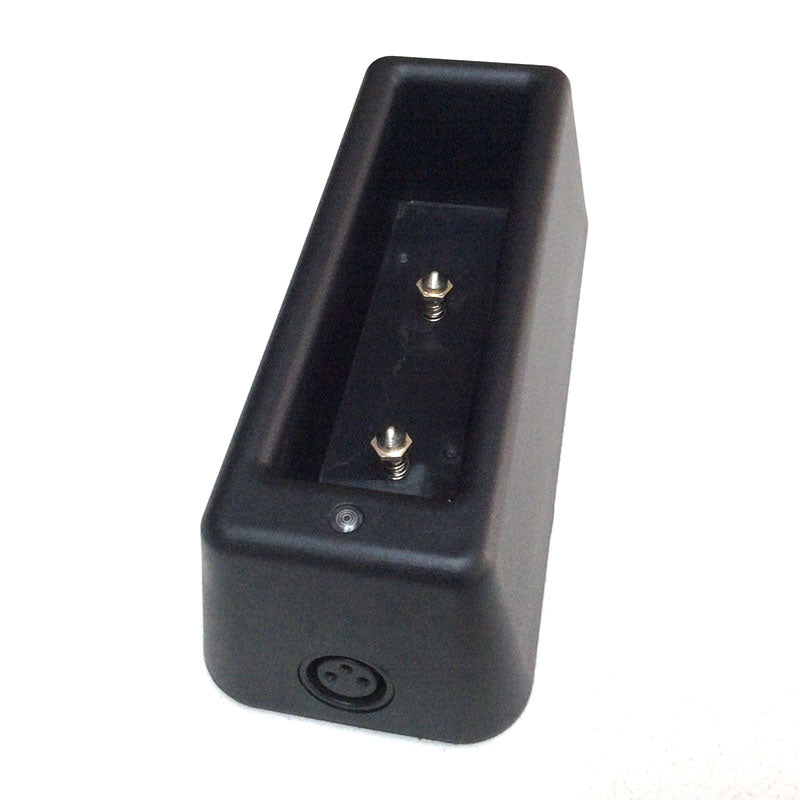
You may also like:
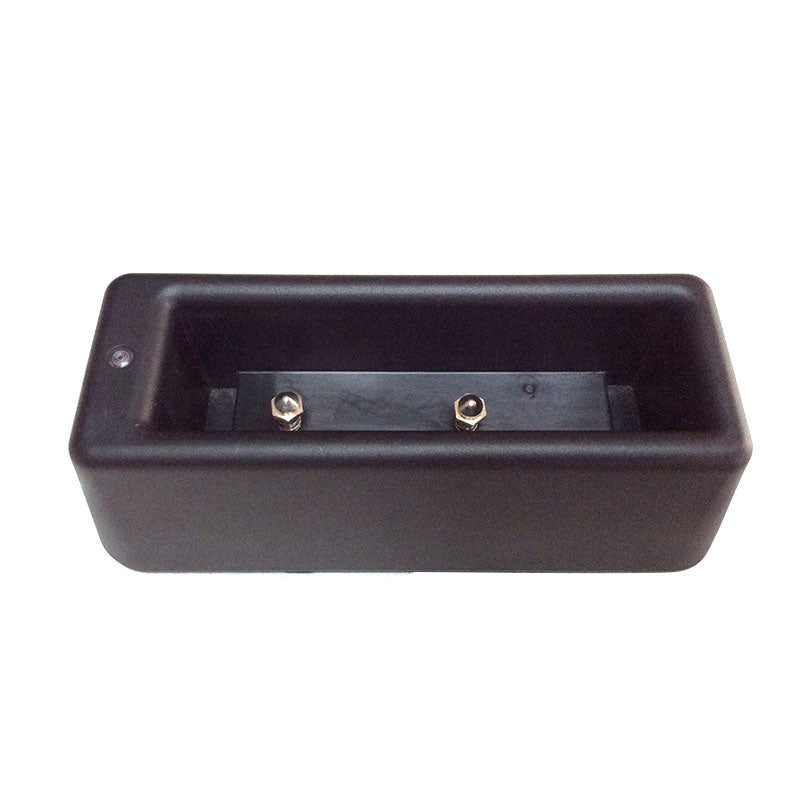
Enhance Mobility Solax Battery Charging Docking Station for Off-Board Charging Convenience
Factory Direct Ships 2-3 Days! (Estimated) More info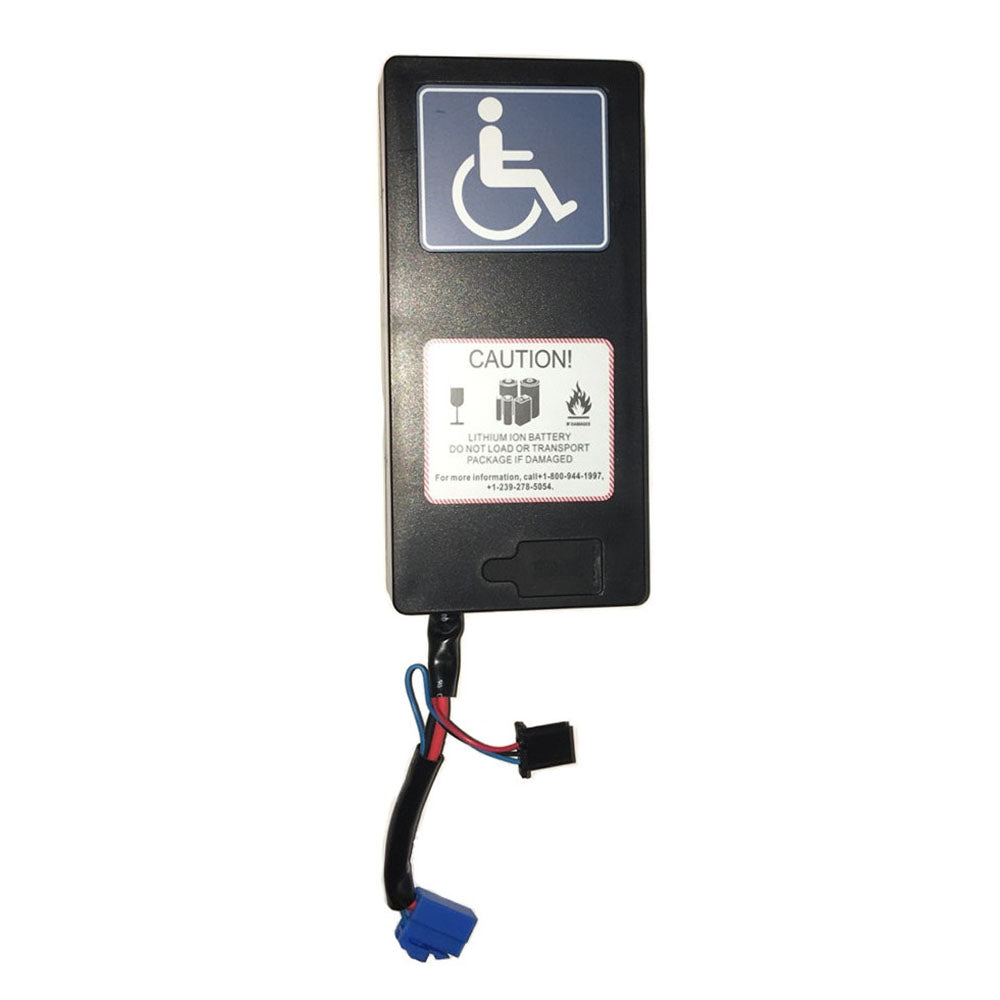
You may also like:
EV Rider 25.2V Lithium Battery | High-Capacity Transport AF Battery
Factory Direct Ships 2-3 Days! (Estimated) More info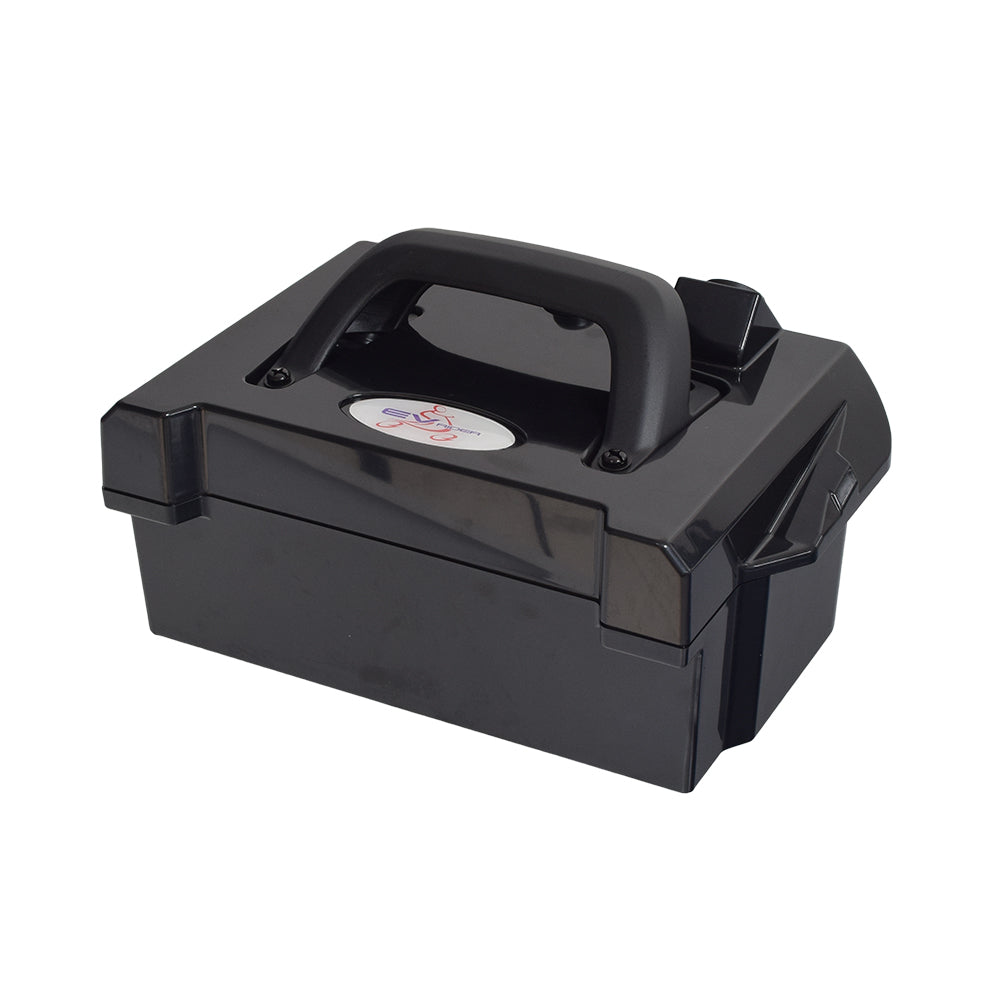
You may also like:
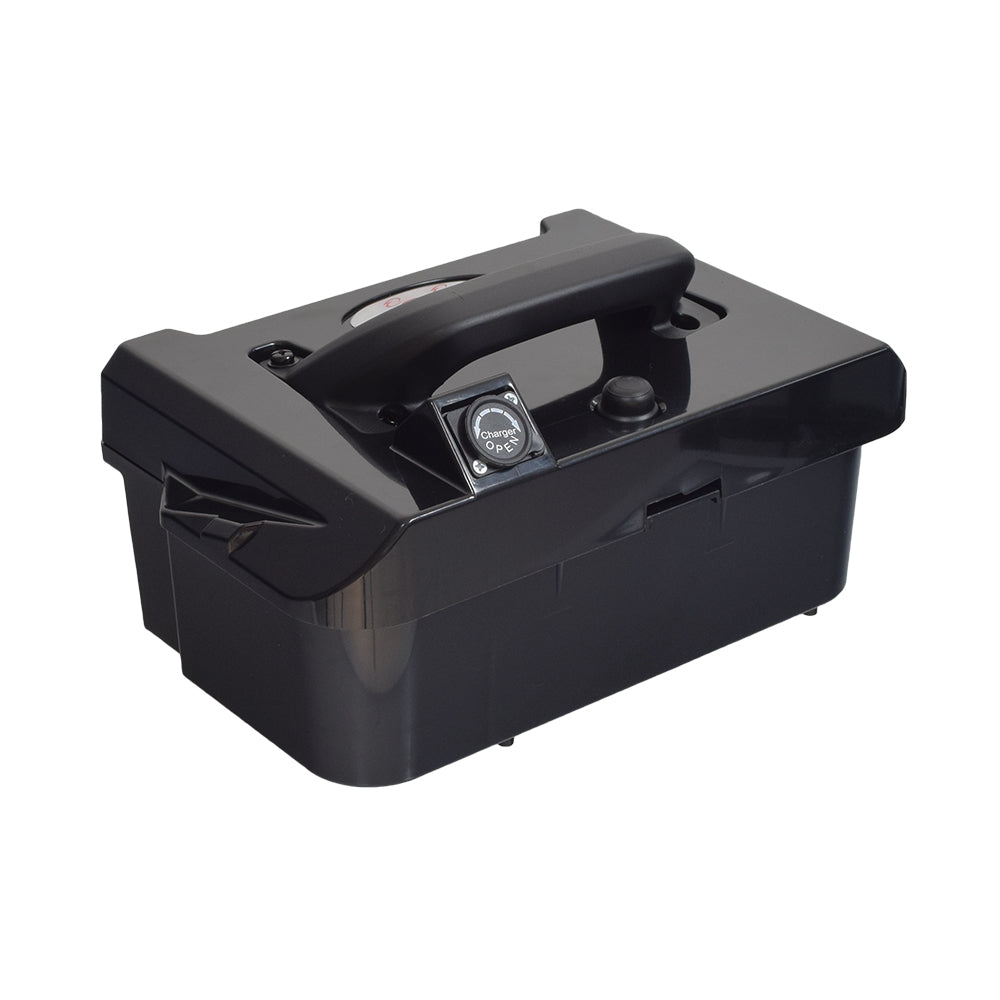
EV Rider Transport 24 Volt AGM Battery Box Assembly | Standard Capacity Power Solution
Factory Direct Ships 2-3 Days! (Estimated) More info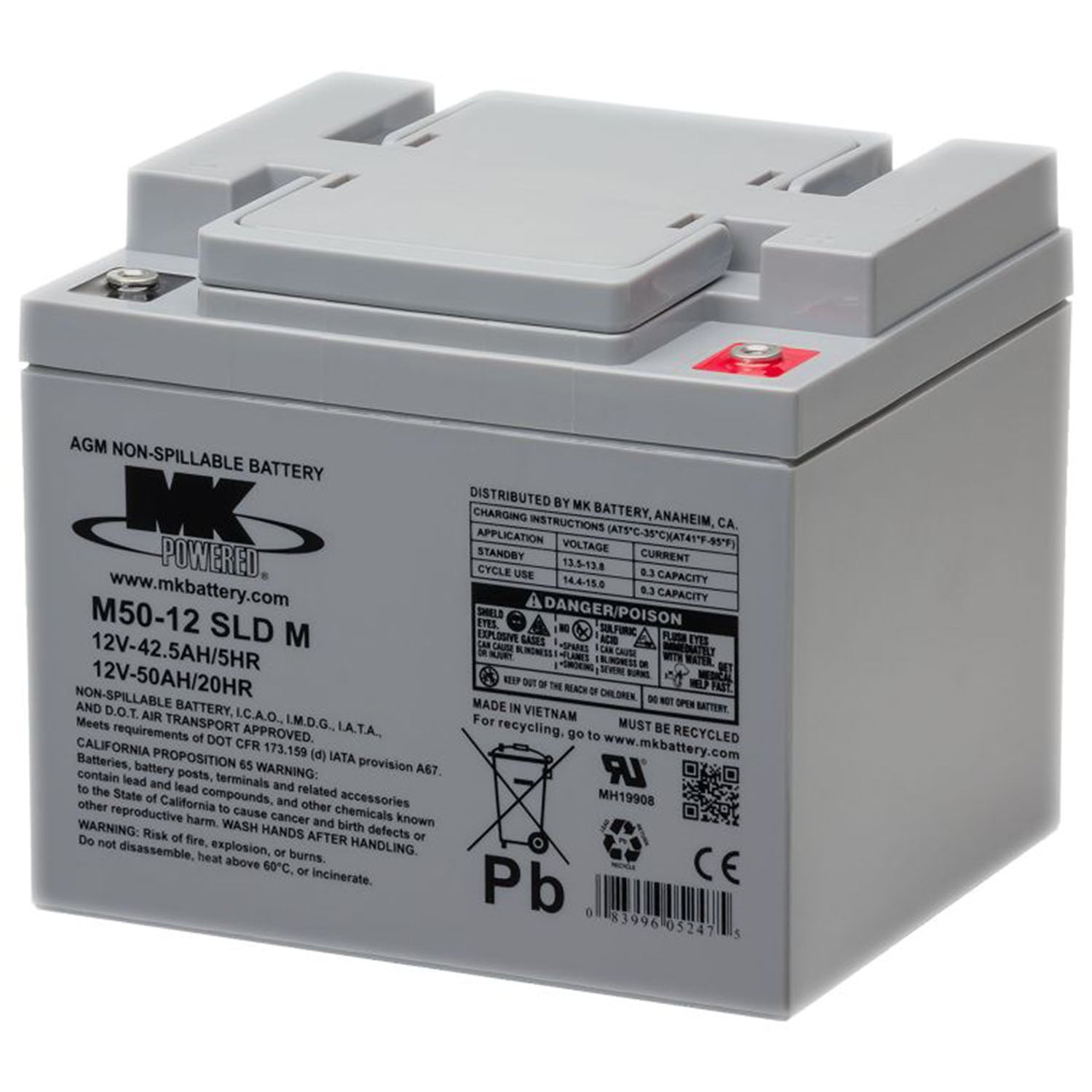
You may also like:
MK Battery 12V 50 Ah Light Duty Sealed Gel Battery | Compact Maintenance-Free Deep Cycle Power
Factory Direct Ships 2-3 Days! (Estimated) More info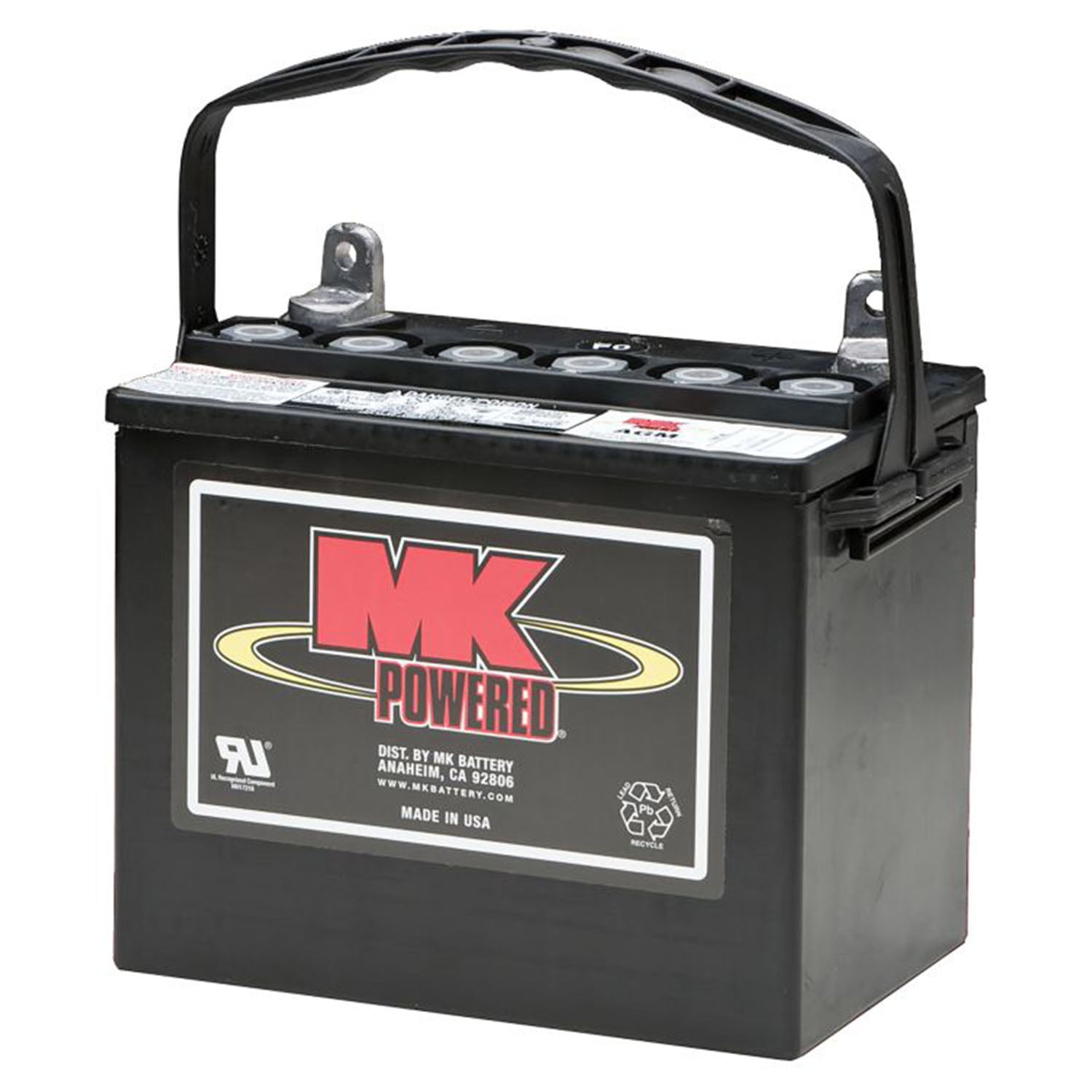
You may also like:
MK Battery 12V 32 Ah Light Duty Sealed Gel Battery | Compact Maintenance-Free Deep Cycle Power
Factory Direct Ships 2-3 Days! (Estimated) More info
You may also like:
MK Battery LS24/8A-08 24V 8A Switching Mode Battery Charger
Factory Direct Ships 2-3 Days! (Estimated) More info
You may also like:
Glion Model 335 SnapnGo Lithium-Ion Battery for Portable Mobility Scooters
Factory Direct Ships 2-3 Days! (Estimated) More info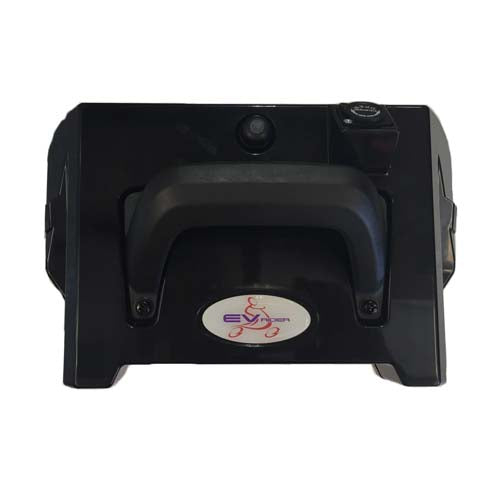
You may also like:
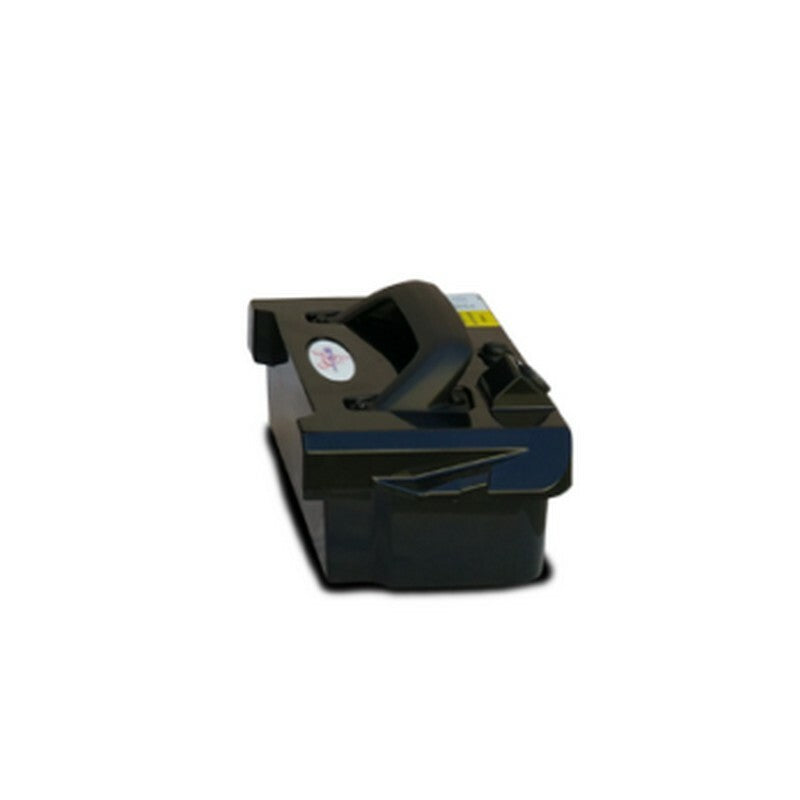
EV Rider Lithium Battery Pack | Transport Plus Replacement Module
Factory Direct Ships 2-3 Days! (Estimated) More info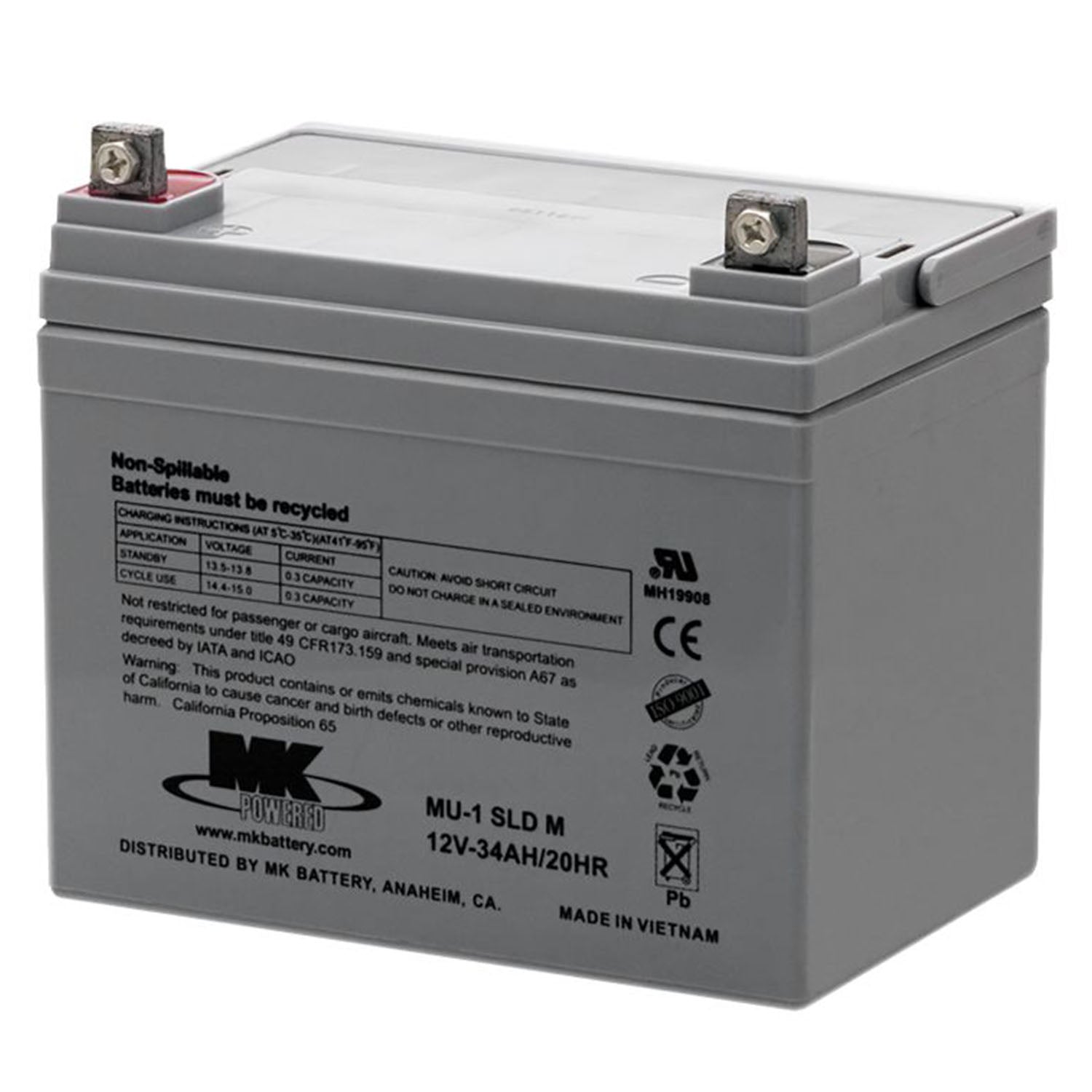
You may also like:
MK Battery 12V 35 Ah Premier Light Duty Sealed Gel Battery | Maintenance-Free Deep Cycle Power
Factory Direct Ships 2-3 Days! (Estimated) More info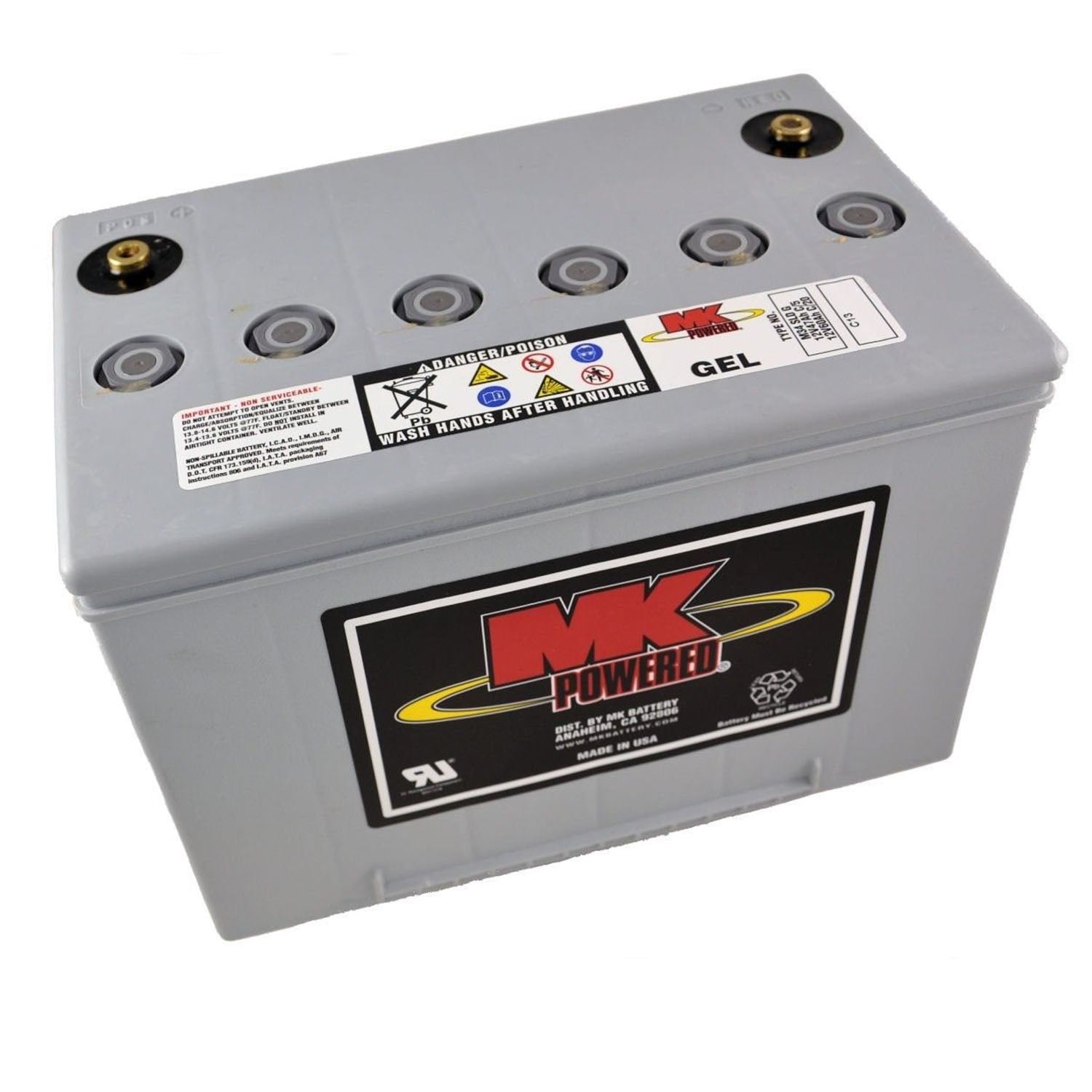
You may also like:
MK Battery 12V 60Ah Heavy-Duty Sealed Gel Battery
Factory Direct Ships 2-3 Days! (Estimated) More info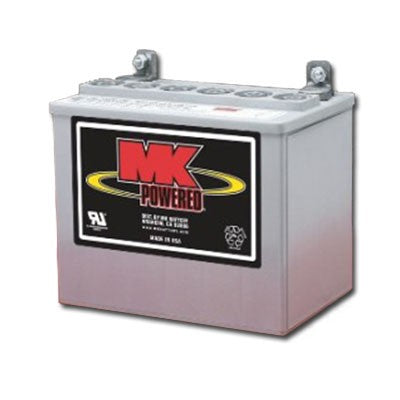
You may also like:
MK Battery 12V 31.6Ah Heavy Duty Sealed Gel Deep-Cycle Battery
Factory Direct Ships 2-3 Days! (Estimated) More infoFrequently Asked Questions
Find answers to commonly asked questions below.
-
How far do mobility scooters travel on one charge?
The distance a mobility scooter travels on a single charge, known as its range, typically spans 10 to 30 miles, depending on the model, battery type, and usage conditions. Portable or travel scooters often deliver 8-15 miles per charge, suiting short trips, shopping, or indoor/outdoor errands. Mid-range models commonly achieve 15-25 miles, supporting daily activities like visiting parks or running multiple errands without recharging. Heavy-duty or all-terrain scooters can reach 25-40 miles or more, especially with advanced lithium-ion batteries that offer better efficiency than traditional sealed lead-acid ones. Factors such as rider weight, terrain (hills and rough surfaces significantly reduce range), temperature, tire pressure, and driving speed can decrease real-world distance by 20-50%. Lithium-ion batteries generally provide longer, more consistent ranges and faster charging compared to lead-acid types. To optimize range, maintain proper tire inflation, avoid overloading, drive at moderate speeds, and store the scooter in moderate temperatures. Always consult the manufacturer's specifications, as advertised ranges assume ideal conditions and may vary in practice.
-
Are mobility scooters allowed in stores?
Mobility scooters are generally allowed in stores, supermarkets, malls, restaurants, and other public retail spaces under the Americans with Disabilities Act (ADA), which treats them as essential mobility aids similar to wheelchairs. The ADA requires businesses open to the public to permit these devices in all customer-accessible areas, promoting independence for individuals with disabilities. Many stores provide their own electric shopping carts and accommodate personal scooters, especially compact or foldable models that navigate aisles easily. Users should operate scooters responsibly: drive slowly, yield to pedestrians, avoid blocking pathways, and follow any posted store guidelines for safety. Restrictions may apply in very narrow or crowded spaces, and private venues (like exclusive clubs) might have different rules, so calling ahead is advisable. Larger or faster recreational scooters may face more scrutiny if not clearly used for medical needs. Overall, federal law strongly supports access, and most retailers prioritize inclusivity to ensure a positive experience for all shoppers. If denied entry without a valid safety reason, it could violate ADA protections.
-
What is the top speed of mobility scooters?
The top speed of mobility scooters typically ranges from 4 to 8 miles per hour for standard models designed for safe pedestrian environments. Compact indoor or portable scooters often max out at 3-5 mph, providing controlled maneuverability in tight spaces like homes or stores. Mid-range and outdoor models commonly reach 6-8 mph, suitable for sidewalks and paths while matching brisk walking paces. Heavy-duty or road-legal (Class 3 in some regions) scooters can achieve 8-12 mph on roads, with features like lights and indicators for visibility, though pavement speeds are often limited to 4 mph. Some high-performance or recreational models push 10-15 mph or higher for open areas, but these prioritize stability over extreme speed. Speed is electronically limited for safety, reducing risks in crowded or uneven terrain. Factors like battery charge, weight load, and inclines can affect actual performance. Choose a speed that matches your needs—slower for indoor safety, faster for longer outdoor journeys—while always prioritizing cautious operation.
-
Can mobility scooters go on planes?
Mobility scooters can generally be taken on airplanes as checked baggage or gate-checked, provided they comply with FAA and airline-specific rules on size, weight, and battery type. Most airlines accommodate them as essential mobility aids, allowing users to ride to the gate before handing over for loading. Lithium-ion batteries are common and preferred for travel scooters; they must typically be under 300 watt-hours total (often removable and carried onboard for safety). Sealed lead-acid or gel batteries are usually accepted without removal if non-spillable. Notify the airline at least 48 hours in advance with details on scooter dimensions, weight, and battery specs to arrange assistance and confirm policies. Foldable or lightweight models are easiest for air travel, often fitting overhead bins when disassembled. TSA screening may involve inspection, but users can remain seated during much of the process. Always check current airline guidelines, as restrictions vary, and prepare documentation to ensure smooth handling and avoid damage.
-
How to charge mobility scooters safely?
To charge mobility scooter batteries safely, always use the manufacturer-provided charger to prevent damage or fire risks from incompatible voltage or amperage. Turn off the scooter completely before connecting the charger first to the scooter's port, then to a standard wall outlet in a dry, well-ventilated area away from flammables. Charge after every use, even short trips, and aim for full charges overnight (typically 8-12 hours) to maintain battery health without overcharging modern smart systems. Lithium-ion batteries prefer partial discharges and frequent topping up, while sealed lead-acid types benefit from full cycles; avoid deep drains below 20-30%. Monitor indicator lights—red/orange for charging, green for complete—and unplug in reverse order (wall first, then scooter). Store and charge in moderate temperatures (50-80°F ideal) to prevent reduced lifespan or hazards. If unused for weeks, charge weekly or monthly to avoid deep discharge. Never use damaged cords, extension leads without approval, or leave unattended for extended periods; inspect batteries regularly for leaks or swelling.


