







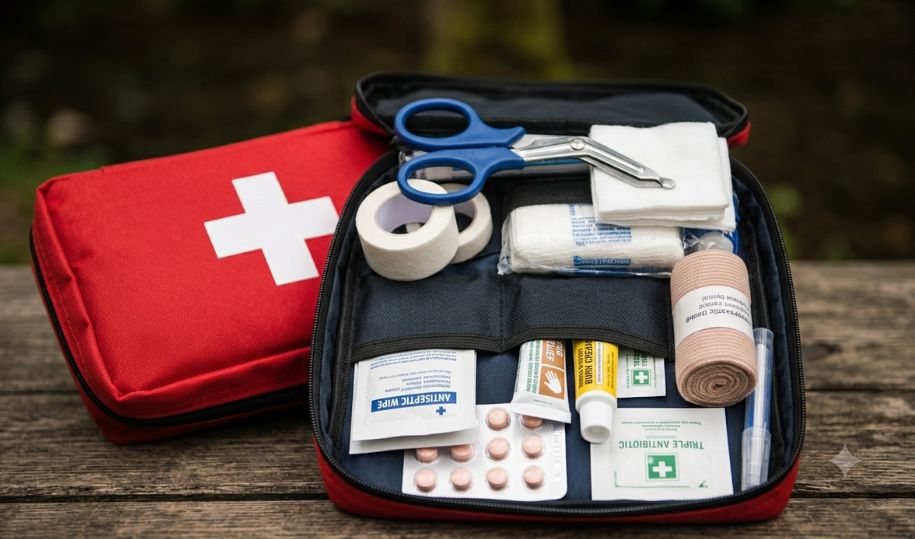
A workplace first aid kit is a vital collection of medical supplies and emergency equipment designed to provide immediate care when injuries happen on the job. Having the right emergency setup minimizes injury severity, reduces downtime, and ensures full compliance with occupational health and safety regulations.
First aid needs vary drastically by industry. From high-capacity setups like an ANSI-compliant 4-shelf first aid refill with medications to specialized marine kits (Mayday Rescue One First Aid Kit) or outdoor survival packs, choosing the best kit requires a clear understanding of your unique workplace hazards, headcount, and regulatory standards.
This guide walks you through selecting the ideal first aid kit for your facility. You will learn how to assess workplace risks, meet stringent OSHA and ANSI regulations, stock essential supplies, and maintain ongoing compliance.
1. Understanding Workplace Hazards and Needs
Conducting a thorough risk assessment is the foundation of effective emergency response planning. Without this critical first step, you risk purchasing generic supplies that fail to address your facility's specific hazards during a crisis.
Identifying Specific Industry Hazards
Construction Sites
High exposure to deep cuts, severe trauma, abrasions, and fractures. Demands heavy-duty trauma response kits equipped with extra pressure dressings, splints, and tourniquets.
Restaurants & Kitchens
Frequent thermal burn risks, sharp-blade lacerations, and slip-and-fall injuries. Requires specialized burn care dressings, burn gels, and blue detectable adhesive bandages for food safety.
Offices & Corporate Settings
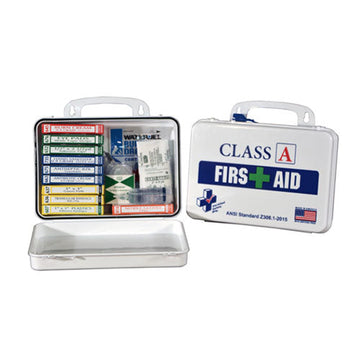
Lower hazard profile focused on minor cuts, paper lacerations, headaches, or small abrasions. A compact Class A first aid kit with adhesive bandages, antiseptics, and analgesics is ideal.
Sports & Outdoor Environments
Requires mobile athletic first aid kits stocked with instant cold packs, compression wraps, sprain management supplies, bite treatments, and emergency thermal blankets.
Niche environments also require custom solutions, such as pet first aid kits for veterinary clinics or specialized pediatric kits for childcare facilities and schools.
Workforce Size and Facility Scale
The volume of supplies you need scales directly with employee headcount and facility footprint. Larger teams require multi-person industrial units such as Junkin industrial unit first aid kits or multiple first aid stations deployed strategically across high-traffic zones to keep response times under 3–4 minutes.
2. Regulatory Requirements and Compliance (OSHA & ANSI)
Maintaining proper safety standards is essential for legal compliance and employee protection. In the United States, workplace first aid regulations are anchored by OSHA Standard 29 CFR 1910.151, which mandates that employers ensure readily available medical supplies and trained personnel.
- Mandatory Supply Availability: Adequate, accessible first aid supplies must be maintained at all times.
- Trained Personnel: In the absence of an infirmary, clinic, or hospital in near proximity, designated staff must be trained to render first aid.
- Eye & Body Wash Stations: Suitable facilities for quick drenching or flushing of eyes and body must be provided where eyes or body may be exposed to injurious corrosive materials.
Understanding ANSI/ISEA Z308.1-2021 Standards
While OSHA sets the general enforcement requirement for adequate supplies, the ANSI/ISEA Z308.1 standard defines the specific minimum content and performance requirements. ANSI categorizes kits into two primary classes:
Class A First Aid Kits
Designed to address the most common types of workplace injuries, such as minor cuts, scrapes, and mild burns. Best suited for low-population or low-risk workplaces like offices and small retail spaces.
Class B First Aid Kits
Feature a broader range and significantly higher quantity of supplies designed to handle high-risk, high-volume, or complex environments like factories, warehouses, and heavy job sites.
Depending on your organization, specialized ANSI-compliant options are available:
- Large Workspaces: Multi-tiered metal cabinets, such as a 3-shelf first aid cabinet with medications, ensure extensive coverage.
- Childcare & Schools: Specialized pediatric first aid kits address youth medical needs.
- Marine & Offshore: Weatherproof first aid kits for boats protect supplies against water and salt spray damage.
The Cost of Non-Compliance
Failing to maintain compliant, unexpired first aid supplies can result in costly OSHA citations, elevated workers' compensation insurance premiums, legal liabilities, and compromised employee safety during critical medical emergencies.
3. Essential Contents of a Workplace First Aid Kit
A fully stocked workplace safety kit balances standard wound care with specialized emergency response tools.
Basic Medical Supplies
- Assorted adhesive bandages & sterile gauze pads
- Antiseptic wipes, hand sanitizer, & wound cleansers
- Medical tape, scissors, & stainless steel tweezers
- Nitrile gloves & CPR CPR resuscitation face shields
- Instant cold packs & burn relief gels
For mobile crews or field deployment, solutions like the Mayday Basic 3-Day Kit offer compact emergency preparedness with integrated tools.
Specialized Trauma Equipment
- Tourniquets: Vital for stopping severe, life-threatening arterial bleeding on limbs.
- Hemostatic Gauze: Accelerates blood clotting in deep lacerations or puncture wounds.
- Chest Seals & Trauma Shears: Formulated for penetrating chest injuries and quick clothing removal.
- Emergency Thermal Blankets: Essential for managing patient body temperature and shock response.
Automated External Defibrillators (AEDs)
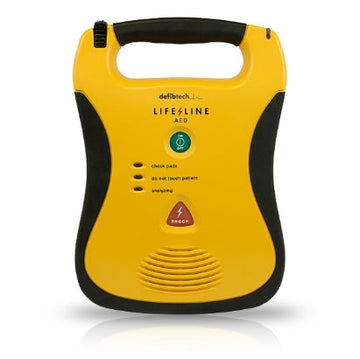
In high-occupancy or physically demanding work environments, pairing your CPR response kit with an on-site AED significantly improves survival outcomes during sudden cardiac arrest incidents.
4. Commercial vs. Industrial First Aid Kits
Selecting between commercial portable kits and industrial wall-mounted cabinets depends on your facility's hazard levels, footprint, and employee headcount.
Commercial First Aid Kits
Best For: Offices, small retail stores, low-risk corporate environments.
- Designed for basic, minor injuries (scrapes, minor burns, headaches).
- Housed in compact, wall-mounted plastic or small metal portable cases.
- Easy to store in breakrooms, company vehicles, or reception areas.
Industrial First Aid Kits
Best For: Manufacturing facilities, construction sites, high-risk warehouses.
- Comprehensive supply loadouts targeting severe trauma, eye flush, and burn care.
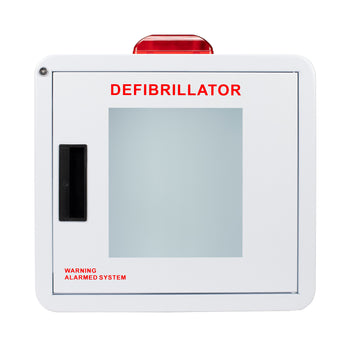
- Housed in heavy-duty steel cabinets (e.g., multi-shelf metal cabinets or smart compliance systems).
- Engineered to protect supplies from dust, moisture, and heavy industrial wear.
5. Placement, Accessibility, and Routine Maintenance
An unmaintained or inaccessible first aid kit is a safety vulnerability. Supplies expire, seal integrity degrades, and high-use items run out quickly if not systematically tracked.
Strategic Placement
Mount kits in highly visible, central areas with clear signage. Ensure travel time to a kit is under 3 minutes from any work area, and mount wall units between 30 and 48 inches high for easy ADA access.
Routine Audits
Inspect all kits monthly or quarterly. Check expiration dates on medications, eyewashes, and sterile packaging seals.
Immediate Refills
Restock supplies immediately after any incident. Utilize certified first aid kit refills to maintain full ANSI compliance standards.
Don't forget mobile employees. Equip field technicians and drivers with dedicated travel options, like the Mayday Travelers Aid 73-Piece Kit, for emergency protection on the go.
Final Thoughts: Prioritizing Workplace Preparedness
Investing in the right first aid kit is more than just ticking a regulatory compliance box it is a critical step in protecting your most valuable asset: your employees. By thoroughly assessing your workplace hazards, choosing OSHA and ANSI Class A or Class B compliant supplies, and establishing a routine replenishment schedule, you create a safer, more resilient work environment.
Don't wait for an emergency to reveal gaps in your safety setup. Take a proactive approach today by evaluating your current emergency response supplies and ensuring your team has immediate access to life-saving gear when seconds count.