






First aid refers to the immediate care given to an individual suffering from injury or sudden illness before professional medical help arrives. In any workplace, prompt and effective first aid minimizes accident impact, prevents minor injuries from becoming severe, speeds up recovery, and saves lives.
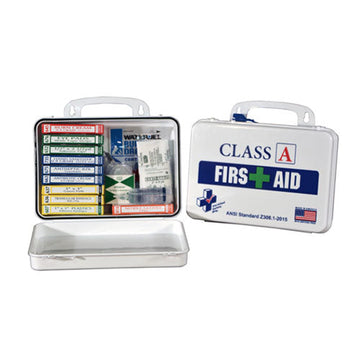
A comprehensive workplace first aid kit is tailored to the specific risks of your environment. Essential supplies range from basic sterile dressings and antiseptic wipes to shears, gloves, and AEDs for cardiac emergencies.
Selecting the Right Setup for Your Environment
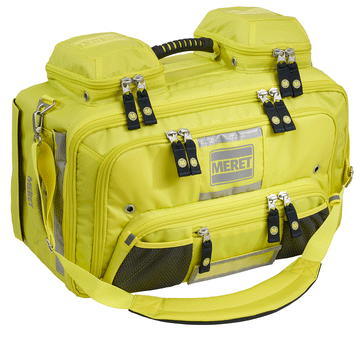
Specialized environments demand targeted gear: rugged jobsites benefit from a first responder all-terrain fracking kit, outdoor activities require a deluxe survival kit, and high-capacity workplaces rely on multi-shelf units like a 4-shelf industrial station or an industrial kit for 100 people.
The Hidden Costs of Unpreparedness
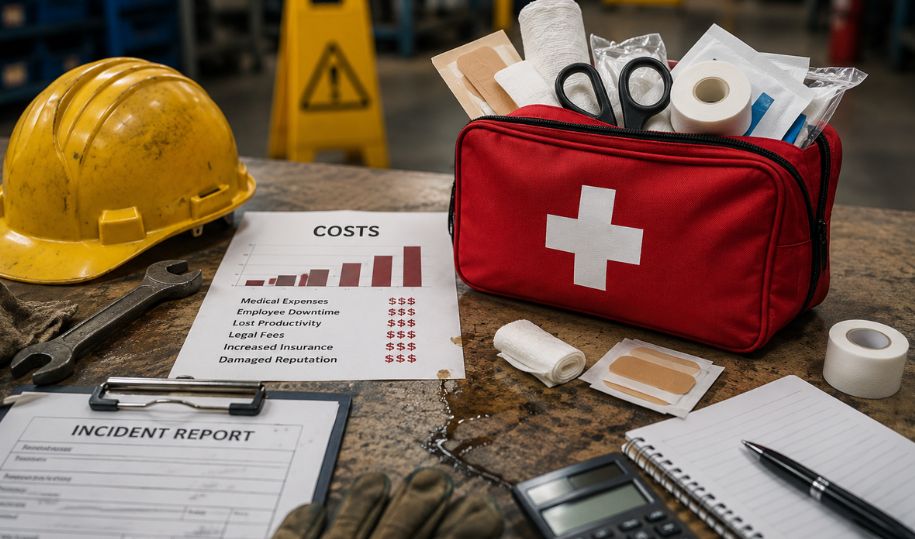
Ignoring proper first aid infrastructure creates severe secondary risks. Delayed initial care worsens injuries, lengthens recovery timelines, increases absenteeism, drives up workers' compensation claims, and spikes insurance premiums.
Understanding Workplace First Aid Requirements
Employers must comply with strict regulations regarding medical emergency preparedness. Both regulatory agencies and standard-setting bodies outline clear directives for corporate safety.
OSHA Regulations
- Adequate Supplies: Mandates appropriate first aid supplies matching specific site hazards.
- Trained Personnel: Requires trained first-aiders on site when medical facilities are not immediately nearby.
- Readily Accessible: Supplies must be fully stocked and instantly accessible to all workers.
ANSI Standards
- Standardized Contents: Establishes explicit supply minimums (e.g., ANSI Z308.1 compliance).
- Risk Classification: Differentiates between low-risk (Class A) and high-risk (Class B) settings.
- Best Practice Baseline: Using an ANSI-certified refill pack ensures complete regulatory alignment.
Matching First Aid Kits to Workplace Settings
| Workplace Type | Primary Risk Factors | Recommended Solution |
|---|---|---|
| Construction Sites | Lacerations, fractures, heavy trauma | Heavy-duty trauma first aid kits |
| Manufacturing & Warehouses | Cuts, burns, chemical splashes | 3-shelf ANSI cabinets with medications |
| Large Facilities (100+ People) | High headcount, diverse emergency needs | 200-person 5-shelf metal station |
| Offices & Commercial Space | Minor cuts, abrasions, basic illness | Standard commercial first aid cabinets |
Essential Supplies & Specialized Applications
A well-stocked medical kit covers core essentials like bandages, antiseptics, burn treatments, gloves, trauma shears, CPR shields, and emergency pain relievers—such as those featured in a comprehensive first responder kit.
Specialized Kit Types
- Construction Trauma Kits: Include tourniquets, chest seals, and hemostatic agents.
- Vehicle & Marine Kits: Waterproof packaging tailored for mobile response units.
- Tactical Kits: Designed for high-risk security environments with advanced airway and hemorrhage control.
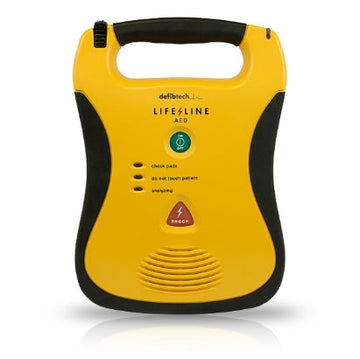
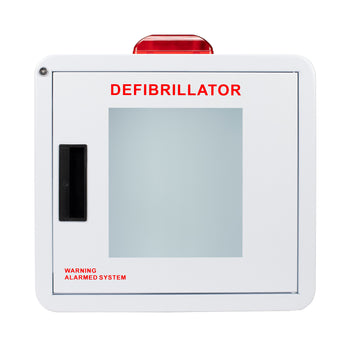
Automated External Defibrillators (AEDs)
Sudden cardiac arrest can happen anywhere. Pairing an AED with your standard workplace first aid kit dramatically increases survival rates in cardiac emergencies.
Legal, Compliance, and Economic Risks
Failing to maintain compliant first aid stations exposes organizations to severe legal and financial vulnerabilities.
Key Risks of Compliance Neglect
- OSHA Inspections & Citations: Fines for missing supplies, expired components, or lack of trained responders.
- Increased Liability: Higher risk of employee lawsuits for negligence due to inadequate initial care.
- Spiking Insurance Costs: Escalating workers' compensation claims from preventable complications.
- Low Employee Morale: Reduced confidence in workplace safety, leading to higher staff turnover.
Ensure your facility maintains proper reference books like the EMS CPR and First Aid Book, accessible emergency pocket guides, and centralized stations like a 100-person ANSI metal cabinet.
Strategies to Avoid Hidden Costs & Build Resilience
Integrating simple, routine maintenance protects your team and safeguards your company's bottom line:
- Assess Hazards & Headcount: Choose kit capacity based on actual headcount and specific environment risks.
- Leverage Bulk Purchasing: Utilize wholesale buying to maintain consistency across multiple sites or departments.
- Schedule Routine Inventory Inspections: Conduct monthly or quarterly audits using checklist protocols.
- Incorporate Specialized Educational Material: Equip teams with educational resources like a bloodborne pathogens DVD training program, safety training posters, or specialized pediatric stations where applicable.
Real-World Case Studies
Case 1: The Cost of Missing Supplies
A manufacturing plant worker suffered a severe laceration. Missing pressure dressings delayed bleeding control, leading to emergency surgical intervention, months of recovery, high workers' comp claims, and increased insurance premiums.
Case 2: Swift Response with Proper Gear
A construction worker suffered a deep puncture wound. A trained coworker immediately accessed a fully stocked, waterproof trauma kit to clean and dress the wound, stabilizing the worker before paramedics arrived and minimizing recovery time.
Key Takeaway: Immediate access to site-specific first aid supplies coupled with basic training, like that provided in the EMS Basic First Aid Guide, drastically reduces injury severity and operational downtime.
Conclusion: Securing Your Workplace Emergency Preparedness
A properly equipped first aid station is a fundamental investment in your organization's workforce and risk management protocol. Aligning your inventory with OSHA standards, maintaining site-specific supplies, and auditing stock levels regularly protects your staff while shielding your business from compliance fines and unexpected liabilities.
Equip Your Facility with Compliant First Aid Stations
Protect your workers, minimize downtime, and ensure full compliance with our complete line of ANSI-certified workplace first aid kits and cabinets.