






AED Signs
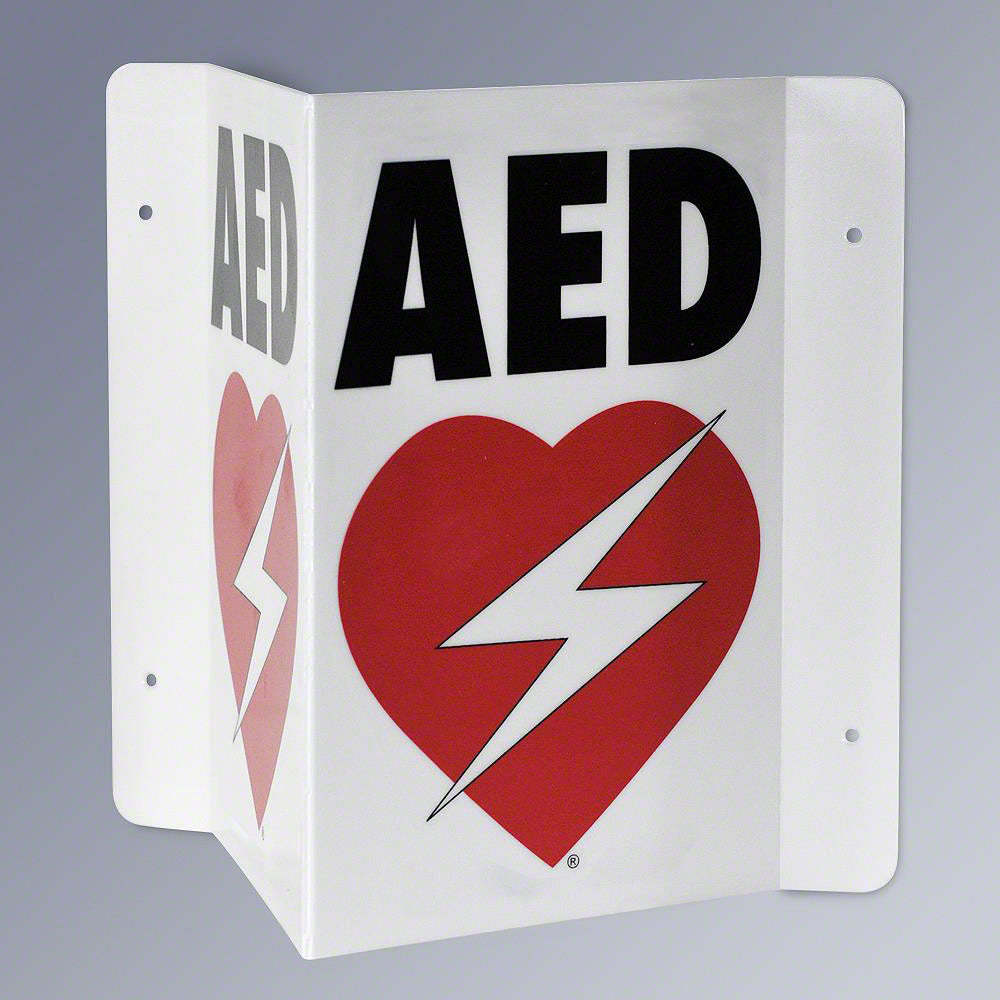
Our AED Signs clearly mark the location of defibrillators, making them easy to spot during emergencies. With bold text and universal symbols, they help guide responders quickly to life-saving equipment. Durable and easy to install, these signs are ideal for schools, offices, gyms, and public spaces to support safety and compliance.

You may also like:
RespondER Flexible AED Wall Sign for Resale - Black & Red on White
Factory Direct Ships 2-3 Days! (Estimated) More infoFrequently Asked Questions
Find answers to commonly asked questions below.
-
What is an AED sign?
An AED sign is a visual indicator showing the location of an Automated External Defibrillator. It uses universal symbols for quick recognition. Made of durable material for visibility. Required in public buildings. Helps in emergencies. Designs include arrows or text. Compliance with standards is key. Consult authorities for requirements.
-
Where should an AED sign be placed?
An AED sign should be placed near the device, at eye level, and in high-traffic areas. Above the cabinet or on doors. Multiple signs for large spaces. Ensure visible from distance. Lighting aids night visibility. Follow local codes. It's for fast response. Consult installers for placement.
-
What is the 3-minute rule for AED?
The 3-minute rule for AED states that using it within 3 minutes of cardiac arrest increases survival chances. Each minute delay reduces survival by 10%. Prompt action is crucial. Training emphasizes speed. Public access AEDs help meet this. Encourage CPR with AED use. It's a key guideline. Consult heart associations for info.
-
What is an AED checklist?
An AED checklist is a list for maintaining the device, including battery check, pad expiration, and status indicator. Monthly inspections recommended. Ensures readiness. Includes cleaning and software updates. Records keep compliance. Simple to follow. It's for safety. Consult manufacturer guides.


