






Carabiners
Whether you are coordinating a high-angle rescue mission, securing tactical gear, or managing heavy-duty industrial rigging operations, having reliable hardware is paramount to safety. Our premium selection of carabiners offers the ultimate peace of mind, ensuring that every critical connection point remains absolutely secure under the most demanding conditions in the field.
Engineered from high-strength aerospace aluminum and marine-grade stainless steel, these load-bearing connectors are built to withstand extreme forces without warping or structural failure. Technical specialists will appreciate the variety of secure locking mechanisms available, including advanced auto-locking, traditional screw-gate, and swift twist-lock designs that prevent accidental gate openings during critical maneuvers. Individually tested to meet rigorous safety certifications, these compact yet robust tools provide superior corrosion resistance and smooth gate actions for rapid deployment in wet or harsh environments.
Do not compromise on safety or risk gear failure when executing mission-critical operations where seconds count. Browse our comprehensive inventory below to find the exact gate clearance, major axis strength, and locking style required for your specific safety protocols. Equip your team with the industry's most dependable hardware and order your premium connectors today.

You may also like:
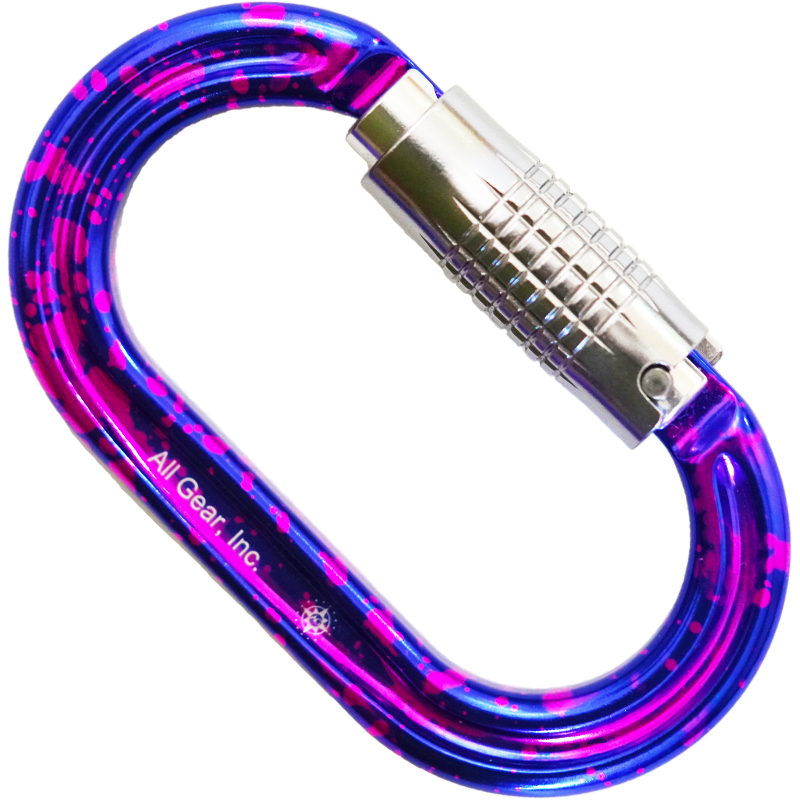
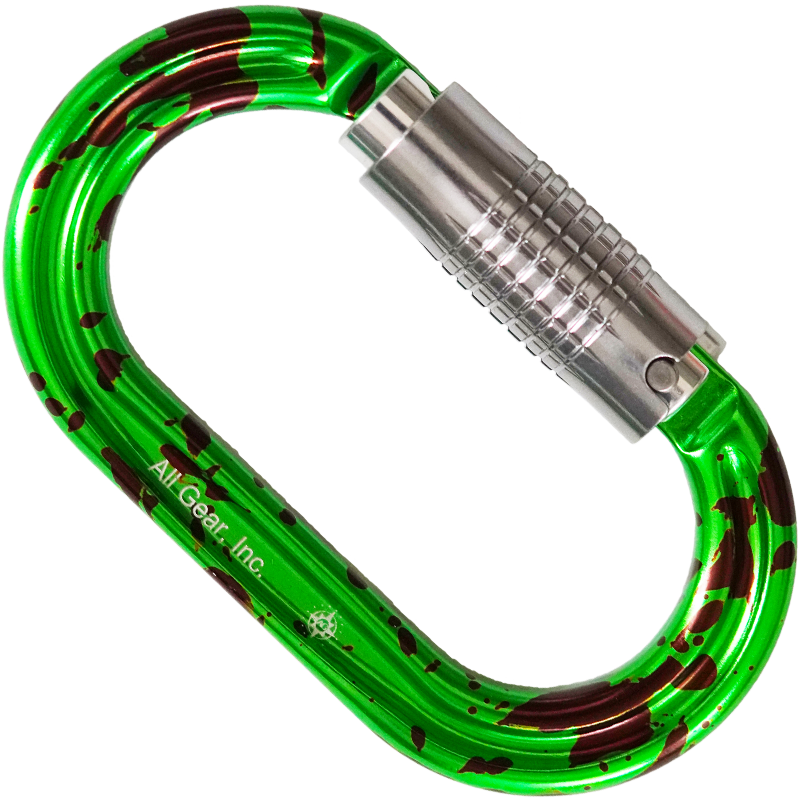
All Gear Triple-Action Aluminum Climbing Carabiners | High-Strength Rigging Connections
Factory Direct Ships 2-3 Days! (Estimated) View ProductFrequently Asked Questions
Find answers to commonly asked questions below.
-
What certifications or safety criteria should procurement teams verify before buying professional carabiners?
Procurement teams should verify the carabiner’s rated strength, intended application, and any applicable safety certifications before approving it for professional use. For rescue, rope access, or facility safety programs, buyers should look closely at major axis strength, gate rating, material type, and whether the connector is designed for load-bearing applications. Rescue Supply’s collection is positioned for high-angle rescue, tactical gear security, and heavy-duty industrial rigging, so the selection should be matched to the agency’s specific safety protocol. A technical buyer should also confirm whether the product is aluminum, steel, or marine-grade stainless steel based on exposure, weight limits, and corrosion risk. For regulated environments, documentation should be reviewed before deployment rather than after the product arrives. This helps reduce compliance gaps, failed inspections, and equipment mismatch across teams.
-
How do these carabiners integrate with existing rescue, fall-protection, or facility safety systems?
These carabiners can integrate into professional rescue, rope, stretcher, harness, and rigging systems when the connector geometry and rating match the existing equipment. Facility managers should confirm gate clearance, locking style, and shape compatibility before standardizing a connector across departments. The collection includes carabiners and connectors associated with rescue ropes, harnesses, pulleys, rope grabs, stretcher accessories, and related technical systems. For scalable deployment, procurement teams should standardize around approved models so training, inspection, replacement, and inventory control remain consistent. Aerospace aluminum options may support lightweight kits, while steel or stainless steel connectors may be better suited for high-wear or harsh environments. Integration should always be validated at the system level because the connector is only one part of the complete safety assembly.
-
Which locking mechanism is best for institutional use: screw-gate, twist-lock, or auto-locking?
Auto-locking carabiners are typically the preferred choice for institutional safety programs where reducing accidental gate opening is a priority. Screw-gate models can be appropriate for controlled environments, but they depend more heavily on user discipline and inspection habits. Twist-lock and triple-action auto-locking designs help improve operational consistency when teams are working under time pressure, wearing gloves, or performing repetitive tasks. For technical rescue, EMS, industrial maintenance, and government operations, the locking mechanism should align with the organization’s training standard and risk profile. Rescue Supply specifically references auto-locking, screw-gate, and twist-lock options, giving buyers flexibility across use cases. Standardizing the locking style can also simplify training, audits, and replacement purchasing.
-
What technical specifications matter most when comparing carabiners for industrial, medical, or government procurement?
The most important technical specifications are major axis strength, gate opening, material, locking style, weight, corrosion resistance, and intended use classification. For rescue-oriented applications, the page’s FAQ references 25–50 kN major axis strength as a common rescue-strength range. Technical specialists should also compare aerospace aluminum versus steel or marine-grade stainless steel depending on whether weight savings or maximum durability is the priority. Gate clearance matters when the carabiner must connect to stretchers, harnesses, anchor points, pulleys, or larger-diameter hardware. Corrosion resistance is especially important for wet, outdoor, marine, EMS, or disaster-response environments. Buyers should avoid treating all carabiners as interchangeable because small specification differences can affect safety, compatibility, and lifecycle performance.
-
How should buyers evaluate total cost of ownership when sourcing carabiners in bulk?
Buyers should evaluate total cost of ownership by weighing purchase price against durability, inspection burden, replacement frequency, training consistency, and operational risk. A lower-cost connector may not deliver savings if it corrodes quickly, lacks the correct locking mechanism, or forces teams to manage too many incompatible models. High-strength aerospace aluminum can reduce kit weight and fatigue for field personnel, while steel or stainless steel may extend service life in high-abuse or corrosive environments. For bulk procurement, standardizing by department or mission profile can reduce SKU complexity and simplify reordering. Rescue Supply also highlights expert support for technical specifications and bulk procurement, which can help institutional buyers avoid misalignment before issuing a purchase order. The strongest ROI comes from selecting connectors that match the application, document clearly, and remain reliable across repeated field use.