





Carabiners
Carabiners for hospitals, public agencies, care facilities and home users — shop the range at Rescue Supply. The collection brings together products from multiple brands, so buyers can standardize purchasing for a whole program in one place.
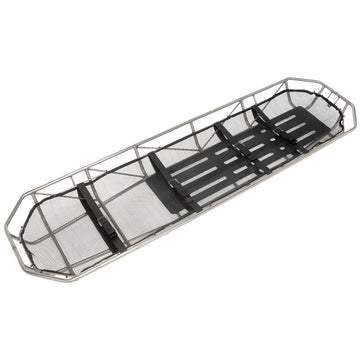
You'll find Junkin JSA-300-XC Lightweight Wire Basket Stretcher and Carabiner, SMC Large Steel Locking D Carabiner - High-Strength Industrial, SMC Oval Non-locking Aluminum Carabiner and SMC Locking D Aluminum Carabiner in the current lineup. Brands represented include Junkin Safety, PMI, Fire Ready Enterprise. Options span SMC Large Steel Locking D Carabiner, SMC Oval Non-locking Aluminum Carabiner and SMC Locking D Aluminum Carabiner, covering the configurations facilities and home users ask for most.


MayDay 11016 Handcrank Flashlight with Solar Panel and Integrated Carabiner Clip
Made to Order Ships in 10-15 Business Days! (Estimated) View Product
PMI SMC Large Steel Locking D Carabiner - NFPA Heat Treated
In Stock Ships in 2-3 Business Days! (Estimated) View Product
PMI ISC Mongoose Aluminum Carabiner - High-Strength Fall Protection
In Stock Ships in 2-3 Business Days! (Estimated) View Product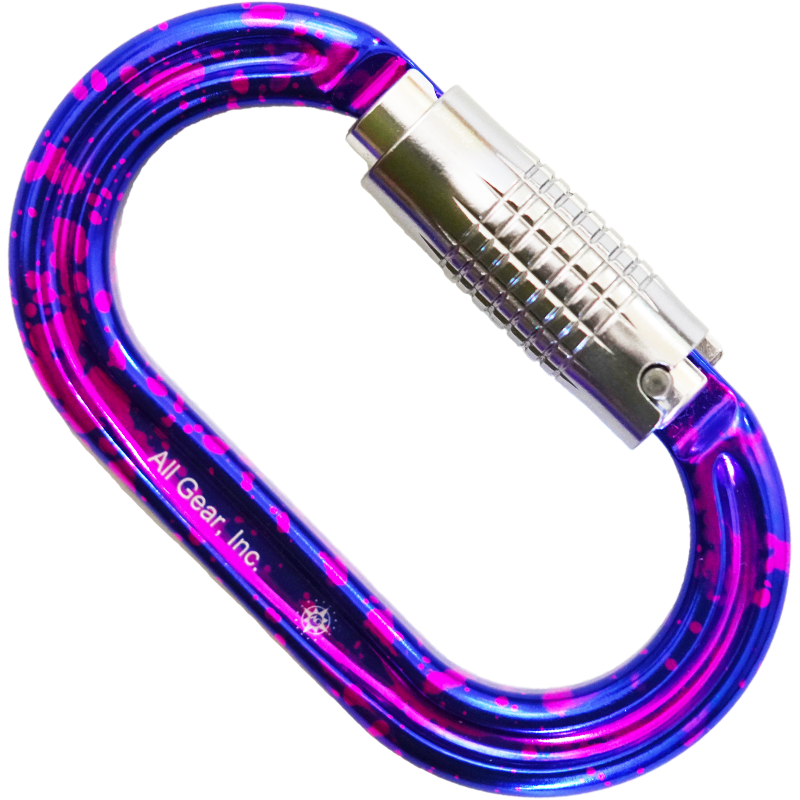
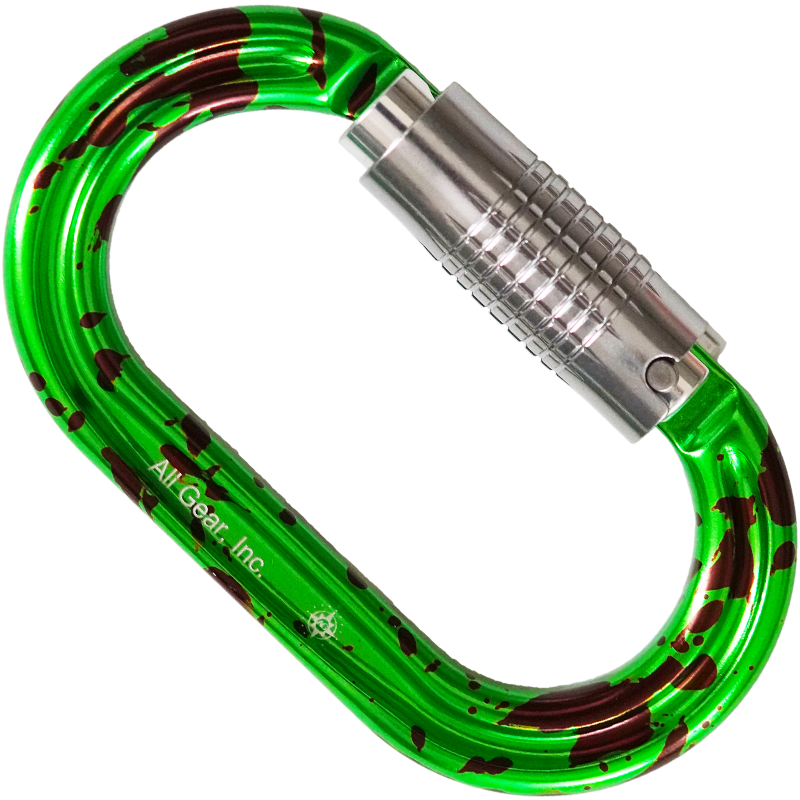
All Gear Triple-Action Aluminum Climbing Carabiners | High-Strength Rigging Connections
Factory Direct Ships 2-3 Days! (Estimated) View Product
PMI ISC Gecko Aluminum Carabiner Supersafe
In Stock Ships in 2-3 Business Days! (Estimated) View Product
PMI ISC Link Aluminum Carabiner Supersafe with Pin
In Stock Ships in 2-3 Business Days! (Estimated) View Product
Skylotec Super D TW Carabiner
Factory Direct Ships 2-3 Days! (Estimated) View Product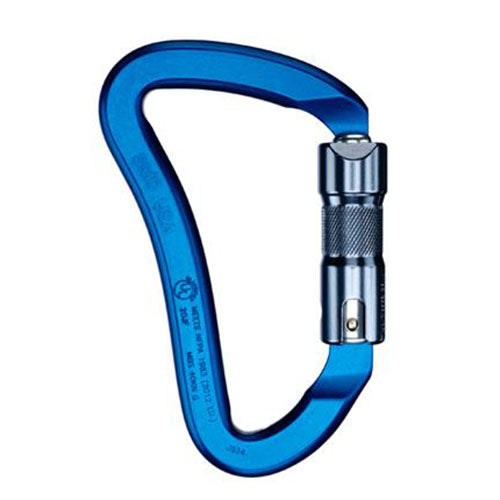
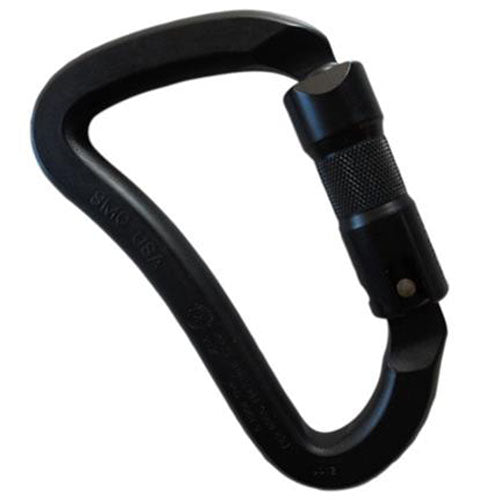
PMI SMC Crossover Trip Lock Carabiner, NFPA
In Stock Ships in 2-3 Business Days! (Estimated) View Product

PMI SMC Crossover Dual Lock Carabiner, NFPA
In Stock Ships in 2-3 Business Days! (Estimated) View Product

PMI SMC Crossover Screw Lock Carabiner, NFPA
In Stock Ships in 2-3 Business Days! (Estimated) View Product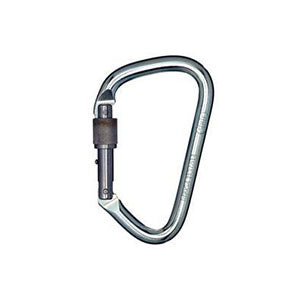
PMI SMC XL Steel Locking D NFPA Carabiner
In Stock Ships in 2-3 Business Days! (Estimated) View Product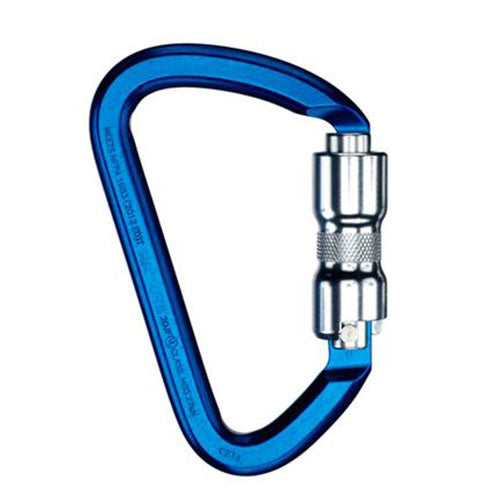
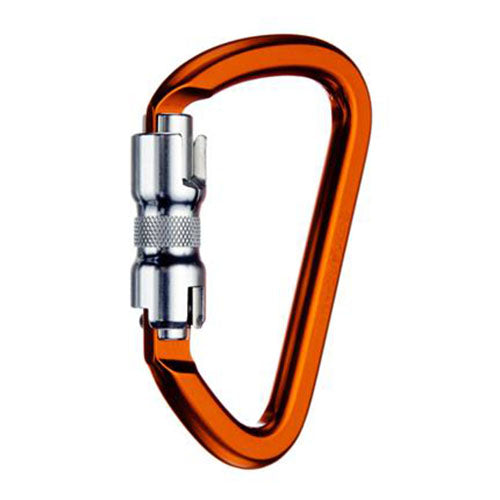
PMI SMC Kinetic Dual Lock NFPA Carabiner
In Stock Ships in 2-3 Business Days! (Estimated) View ProductFrequently Asked Questions
Find answers to commonly asked questions below.
-
What certifications or safety criteria should procurement teams verify before buying professional carabiners?
Procurement teams should verify the carabiner’s rated strength, intended application, and any applicable safety certifications before approving it for professional use. For rescue, rope access, or facility safety programs, buyers should look closely at major axis strength, gate rating, material type, and whether the connector is designed for load-bearing applications. Rescue Supply’s collection is positioned for high-angle rescue, tactical gear security, and heavy-duty industrial rigging, so the selection should be matched to the agency’s specific safety protocol. A technical buyer should also confirm whether the product is aluminum, steel, or marine-grade stainless steel based on exposure, weight limits, and corrosion risk. For regulated environments, documentation should be reviewed before deployment rather than after the product arrives. This helps reduce compliance gaps, failed inspections, and equipment mismatch across teams.
-
How do these carabiners integrate with existing rescue, fall-protection, or facility safety systems?
These carabiners can integrate into professional rescue, rope, stretcher, harness, and rigging systems when the connector geometry and rating match the existing equipment. Facility managers should confirm gate clearance, locking style, and shape compatibility before standardizing a connector across departments. The collection includes carabiners and connectors associated with rescue ropes, harnesses, pulleys, rope grabs, stretcher accessories, and related technical systems. For scalable deployment, procurement teams should standardize around approved models so training, inspection, replacement, and inventory control remain consistent. Aerospace aluminum options may support lightweight kits, while steel or stainless steel connectors may be better suited for high-wear or harsh environments. Integration should always be validated at the system level because the connector is only one part of the complete safety assembly.
-
Which locking mechanism is best for institutional use: screw-gate, twist-lock, or auto-locking?
Auto-locking carabiners are typically the preferred choice for institutional safety programs where reducing accidental gate opening is a priority. Screw-gate models can be appropriate for controlled environments, but they depend more heavily on user discipline and inspection habits. Twist-lock and triple-action auto-locking designs help improve operational consistency when teams are working under time pressure, wearing gloves, or performing repetitive tasks. For technical rescue, EMS, industrial maintenance, and government operations, the locking mechanism should align with the organization’s training standard and risk profile. Rescue Supply specifically references auto-locking, screw-gate, and twist-lock options, giving buyers flexibility across use cases. Standardizing the locking style can also simplify training, audits, and replacement purchasing.
-
What technical specifications matter most when comparing carabiners for industrial, medical, or government procurement?
The most important technical specifications are major axis strength, gate opening, material, locking style, weight, corrosion resistance, and intended use classification. For rescue-oriented applications, the page’s FAQ references 25–50 kN major axis strength as a common rescue-strength range. Technical specialists should also compare aerospace aluminum versus steel or marine-grade stainless steel depending on whether weight savings or maximum durability is the priority. Gate clearance matters when the carabiner must connect to stretchers, harnesses, anchor points, pulleys, or larger-diameter hardware. Corrosion resistance is especially important for wet, outdoor, marine, EMS, or disaster-response environments. Buyers should avoid treating all carabiners as interchangeable because small specification differences can affect safety, compatibility, and lifecycle performance.
-
How should buyers evaluate total cost of ownership when sourcing carabiners in bulk?
Buyers should evaluate total cost of ownership by weighing purchase price against durability, inspection burden, replacement frequency, training consistency, and operational risk. A lower-cost connector may not deliver savings if it corrodes quickly, lacks the correct locking mechanism, or forces teams to manage too many incompatible models. High-strength aerospace aluminum can reduce kit weight and fatigue for field personnel, while steel or stainless steel may extend service life in high-abuse or corrosive environments. For bulk procurement, standardizing by department or mission profile can reduce SKU complexity and simplify reordering. Rescue Supply also highlights expert support for technical specifications and bulk procurement, which can help institutional buyers avoid misalignment before placing an order. The strongest ROI comes from selecting connectors that match the application, document clearly, and remain reliable across repeated field use.