







Endotracheal Tubes
Cuffed endotracheal tubes are essential for maintaining a secure airway during anesthesia and critical care. These tubes feature an inflatable cuff that provides a tight seal, reducing the risk of aspiration and improving ventilation efficiency. Made from medical-grade materials, cuffed endotracheal tubes ensure patient safety and comfort.
They are available in multiple sizes to accommodate different patient needs. Using cuffed endotracheal tubes enhances airway control and supports successful outcomes in surgical and emergency settings. Ideal for hospitals, clinics, and veterinary practices, these tubes are a vital component of airway management. Explore our range to find the right cuffed endotracheal tube for your practice.

You may also like:
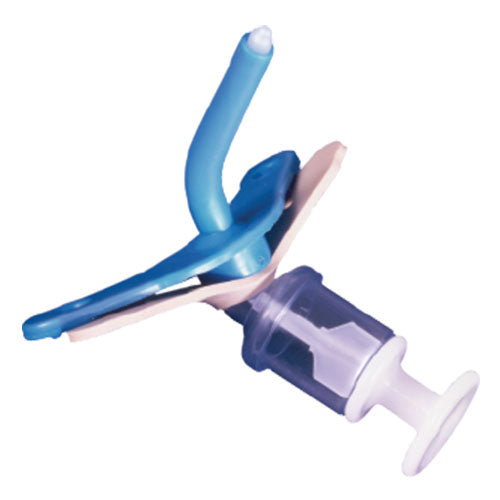
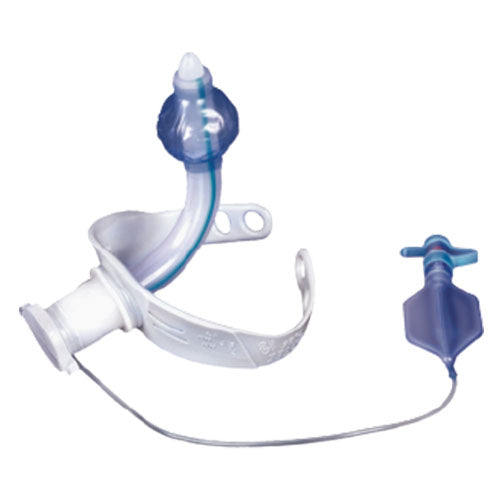
Jorgensen Labs Silicone Tracheostomy Tube | Reusable Soft-Grade Tracheal Airway
Factory Direct Ships 2-3 Days! (Estimated) More info
You may also like:
Jorgensen Labs Cuffed Endotracheal Tube | High-Volume Low-Pressure Airway Management
Factory Direct Ships 2-3 Days! (Estimated) More info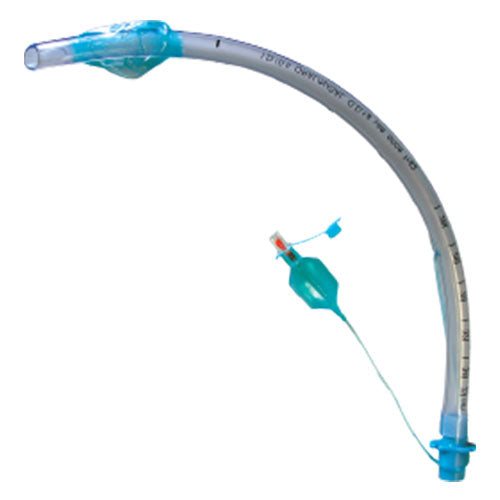
You may also like:
Jorgensen Labs High Volume Low Pressure Endotracheal Tubes for Veterinary Anesthesia
Factory Direct Ships 2-3 Days! (Estimated) More info

You may also like:
Jorgensen Labs Endotracheal Adaptor 2.5mm
Factory Direct Ships 2-3 Days! (Estimated) More infoFrequently Asked Questions
Find answers to commonly asked questions below.
-
What is an endotracheal tube used for?
An endotracheal tube (ET tube) is a flexible medical device inserted into the trachea to maintain an open airway and deliver oxygen or anesthesia directly to the lungs. It is commonly used during surgery, in critical care, and in emergency situations where a patient cannot breathe adequately on their own. The tube ensures proper ventilation and prevents airway obstruction, which is vital for life support. It also allows suctioning of secretions and protects the airway from aspiration of stomach contents. Endotracheal intubation is a cornerstone of advanced airway management in hospitals and emergency medicine.
-
What are the two types of endotracheal tube?
The two main types of endotracheal tubes are cuffed and uncuffed tubes. Cuffed tubes have an inflatable balloon near the tip that seals the airway, preventing air leaks and reducing the risk of aspiration—these are commonly used in adults and during mechanical ventilation. Uncuffed tubes, which lack this balloon, are typically used in pediatric patients to minimize pressure on delicate airway tissues. Both types come in various sizes and materials, such as PVC or silicone, and may include specialized designs for nasal or oral insertion. The choice depends on patient age, clinical condition, and the procedure being performed.
-
What are the indications for endotracheal tube?
Endotracheal intubation is indicated in several critical situations. These include respiratory failure, where the patient cannot maintain adequate oxygenation or ventilation, and airway protection in cases of unconsciousness or risk of aspiration. It is also required during general anesthesia for surgeries, ensuring controlled breathing and delivery of anesthetic gases. Other indications include severe trauma, cardiac arrest, and conditions causing airway obstruction, such as swelling or foreign bodies. In short, an endotracheal tube is used whenever securing the airway is essential for survival or safe surgical intervention.
-
What are the side effects of the endotracheal tube?
While endotracheal tubes are life-saving, they can cause certain side effects and complications. Common issues include sore throat, hoarseness, and minor airway irritation after removal. More serious risks include damage to teeth, tracheal injury, or vocal cord trauma during insertion. Prolonged intubation can lead to pressure ulcers in the trachea, infection, or tracheal stenosis (narrowing of the airway). Proper technique, size selection, and monitoring help minimize these risks. Despite potential complications, the benefits of maintaining a secure airway far outweigh the dangers in critical situations.


