






Punches
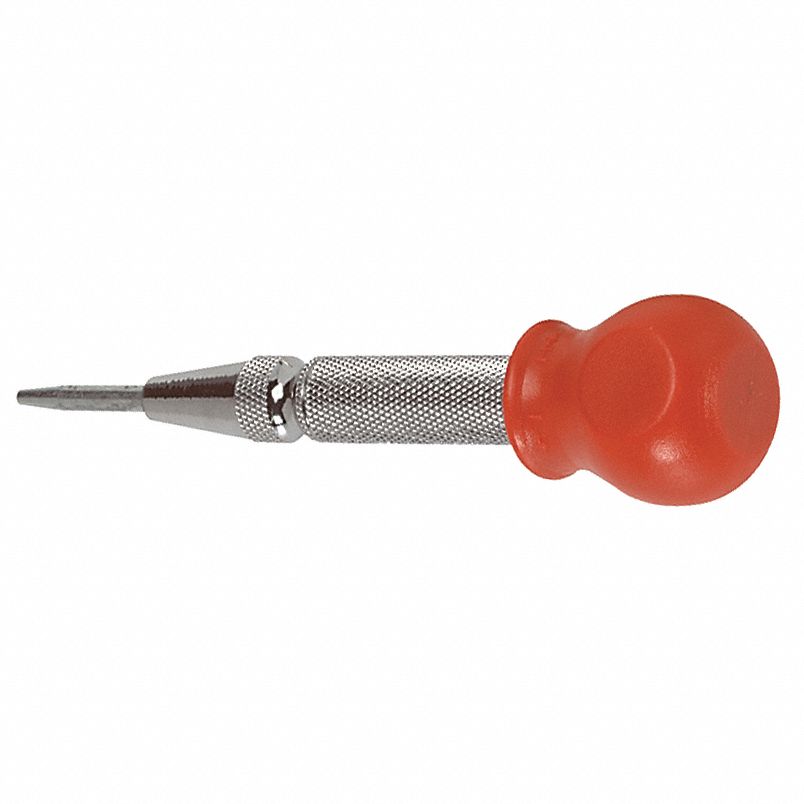
Our Power Punches feature a comfortable control handle for easy one-handed use, delivering strong impact to shatter tempered glass quickly and safely. With an adjustable power setting, you can switch between light and heavy punches to suit any situation perfect for emergency responders, technicians, or anyone needing reliable glass-breaking performance.

You may also like:
EMI Adjustable Auto Punch - Precision Tension Marking Tool
Factory Direct Ships 2-3 Days! (Estimated) More infoFrequently Asked Questions
Find answers to commonly asked questions below.
-
What is the punch tool used for?
A punch tool is used to create holes in materials like metal, leather, or paper. It applies force to pierce cleanly. In crafting, it's for belts or cards. In metalwork, for rivets or bolts. Safety is important to avoid injury. Choose the size for the hole needed. It's a staple in toolkits. Consult guides for proper technique.
-
What are punches?
Punches are tools that drive nails, make holes, or stamp designs by striking. They come in manual or power versions. Used in construction, crafting, and manufacturing. Precision is key for accurate results. Different materials require different punches. Always use with a hammer or press. They enhance efficiency in tasks. Seek expert advice for selection.
-
What are the 4 types of punches?
The 4 types of punches are pin punches for driving pins, center punches for marking, hollow punches for holes, and transfer punches for aligning. Each serves a specific purpose in metalworking. Pin punches remove pins without damage. Center punches create starter points for drilling. Hollow punches cut clean circles. Transfer punches mark from templates. Use the right one for the job. Safety glasses are recommended.
-
What are the 5 basic punch?
The 5 basic punches are center, pin, prick, drive, and drift. Center for marking, pin for small pins, prick for fine points, drive for nails, drift for aligning holes. They are essential in mechanics. Made of hardened steel for durability. Proper use prevents damage to materials. Beginners should practice on scrap. They are affordable tools. Consult tutorials for mastery.


