







Wheelchairs
Find dependable wheelchairs designed to support safer movement, greater comfort, and more confidence at home, in care facilities, and on the go. Whether you are shopping for daily mobility, caregiver-assisted transport, recovery support, or long-term accessibility, the right wheelchair can make everyday routines easier and more manageable.
Our wheelchairs are selected for durability, comfort, and practical performance across a range of mobility needs. Explore options such as lightweight transport chairs, foldable manual wheelchairs, and heavy-duty models built for added support. Features may include ergonomic seating, smooth-rolling wheels, adjustable components, sturdy frames, and storage-friendly designs that help users and caregivers move with less strain.
Browse our wheelchairs collection to compare models that fit your space, lifestyle, and support requirements. Choose reliable mobility equipment built for daily use, easier transfers, and greater independence. Shop now to find the right wheelchair for your home, facility, or care plan.

You may also like:
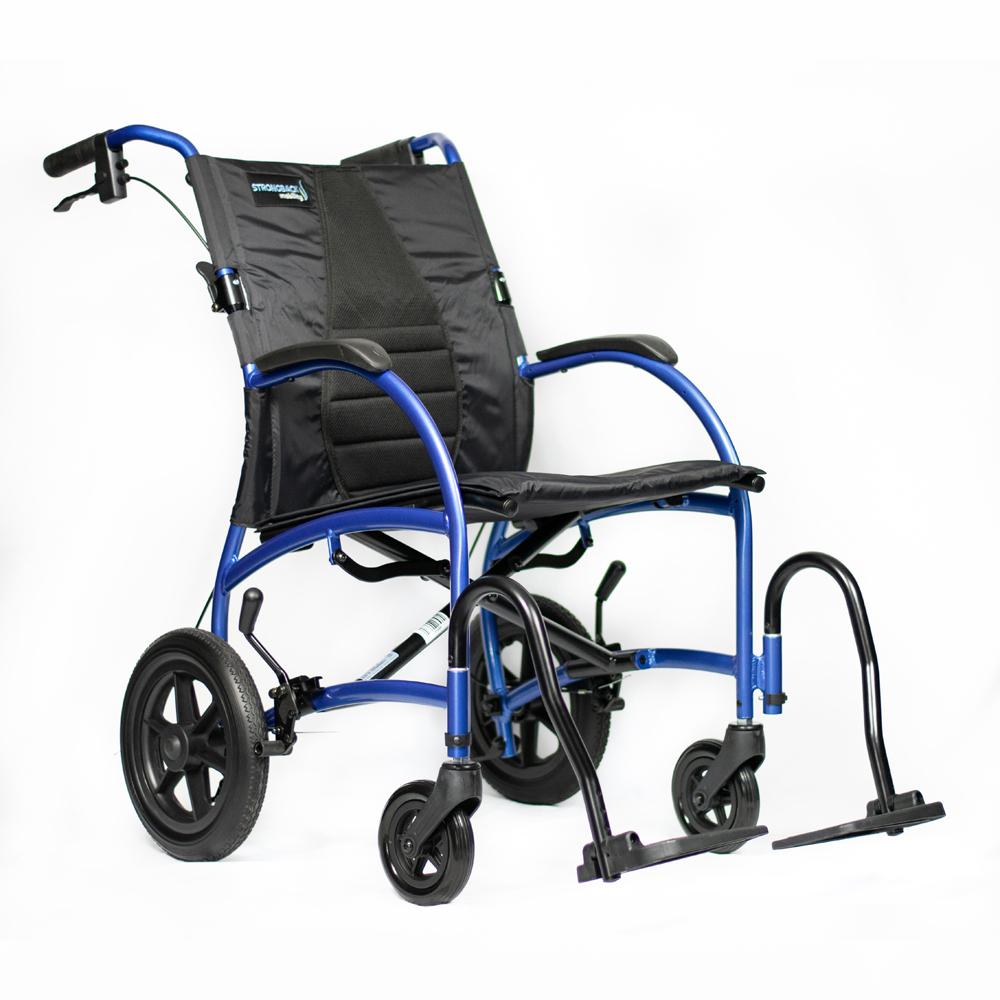
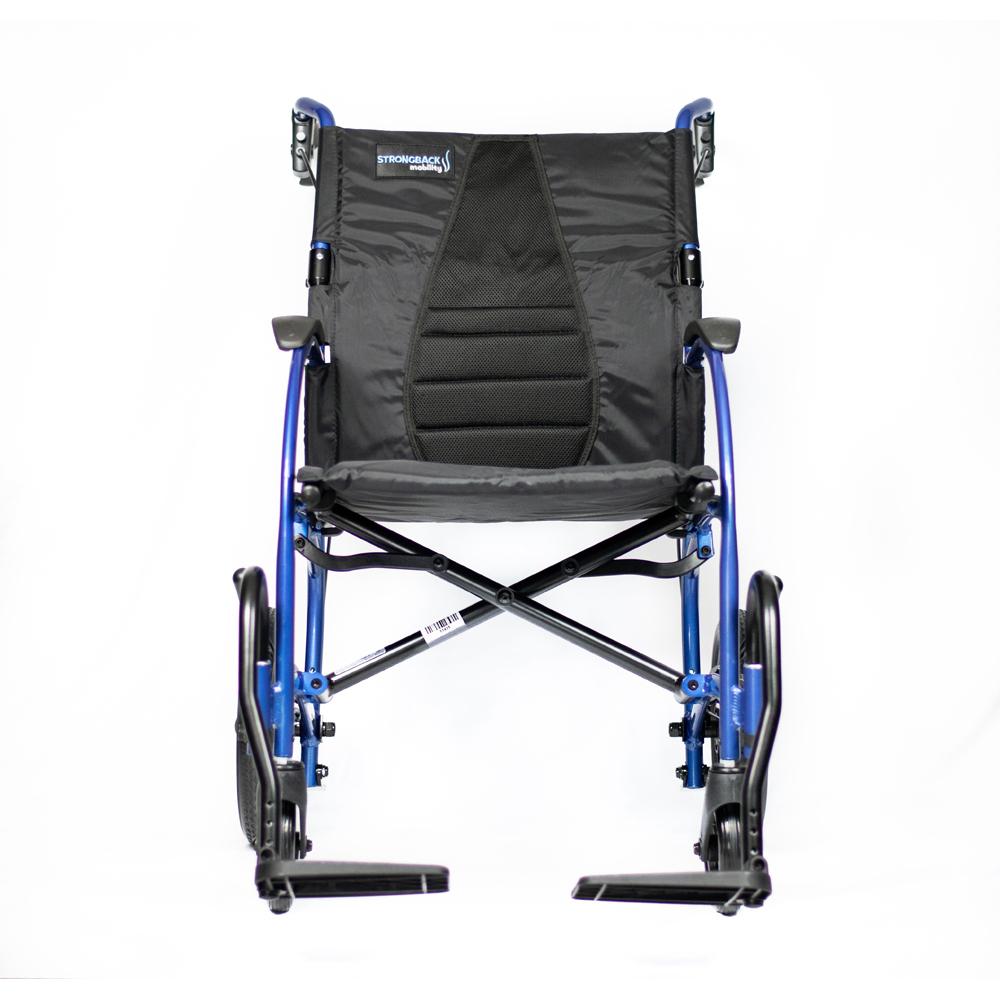
Strongback Mobility Excursion 12 Transport Wheelchair – Ergonomic Comfort & Easy Home Travel
Factory Direct Ships 2-3 Days! (Estimated) View Product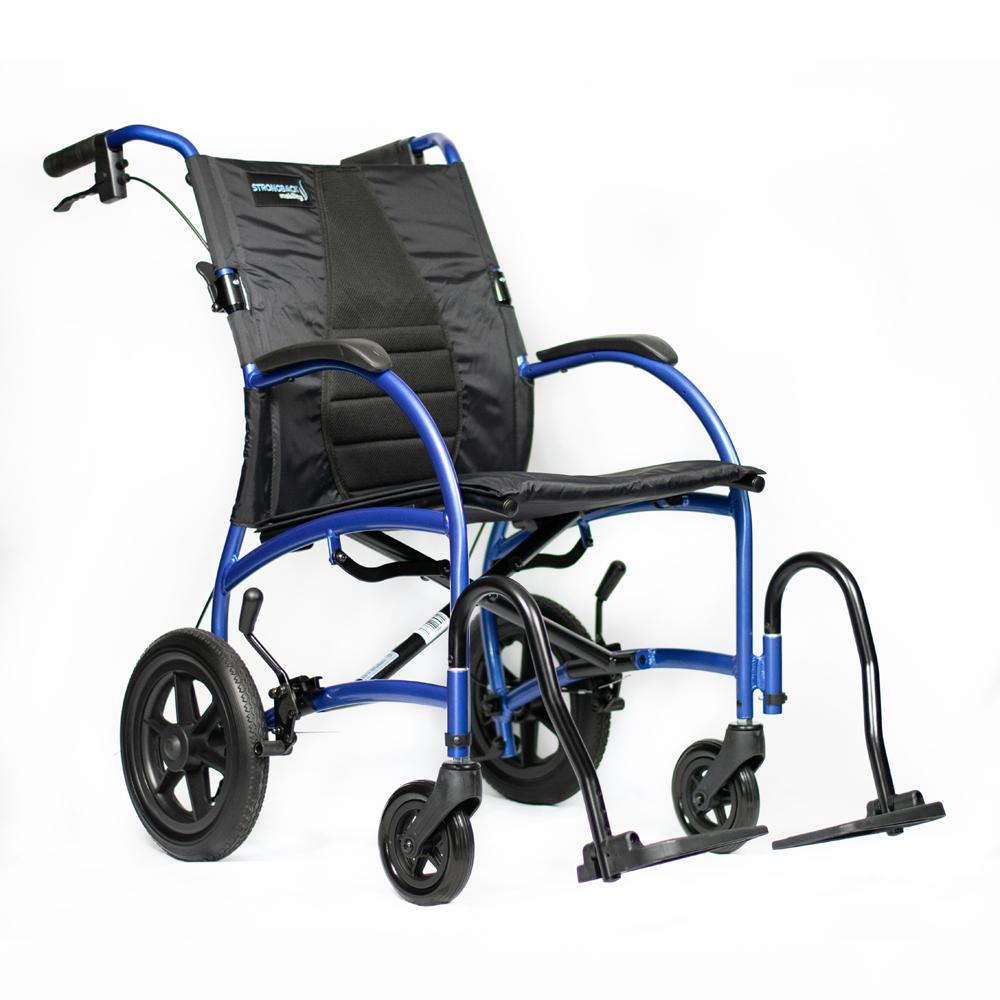
You may also like:
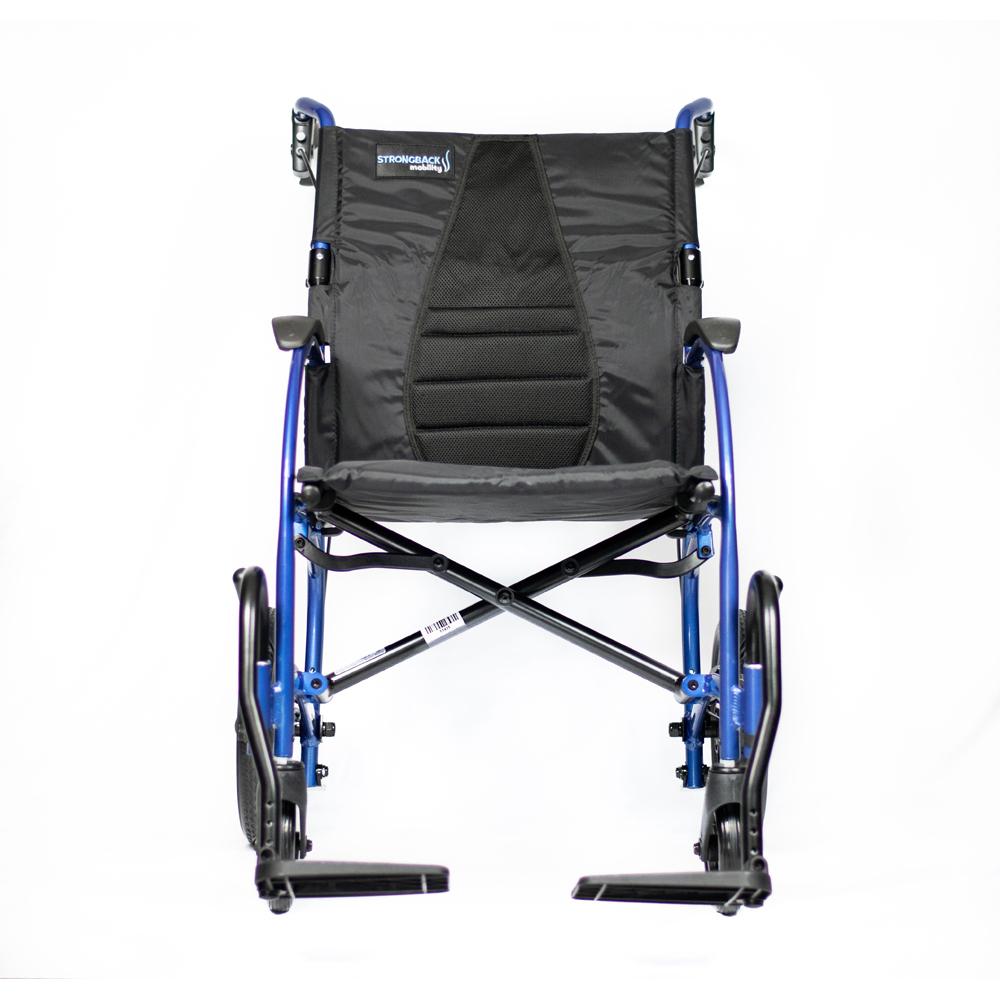
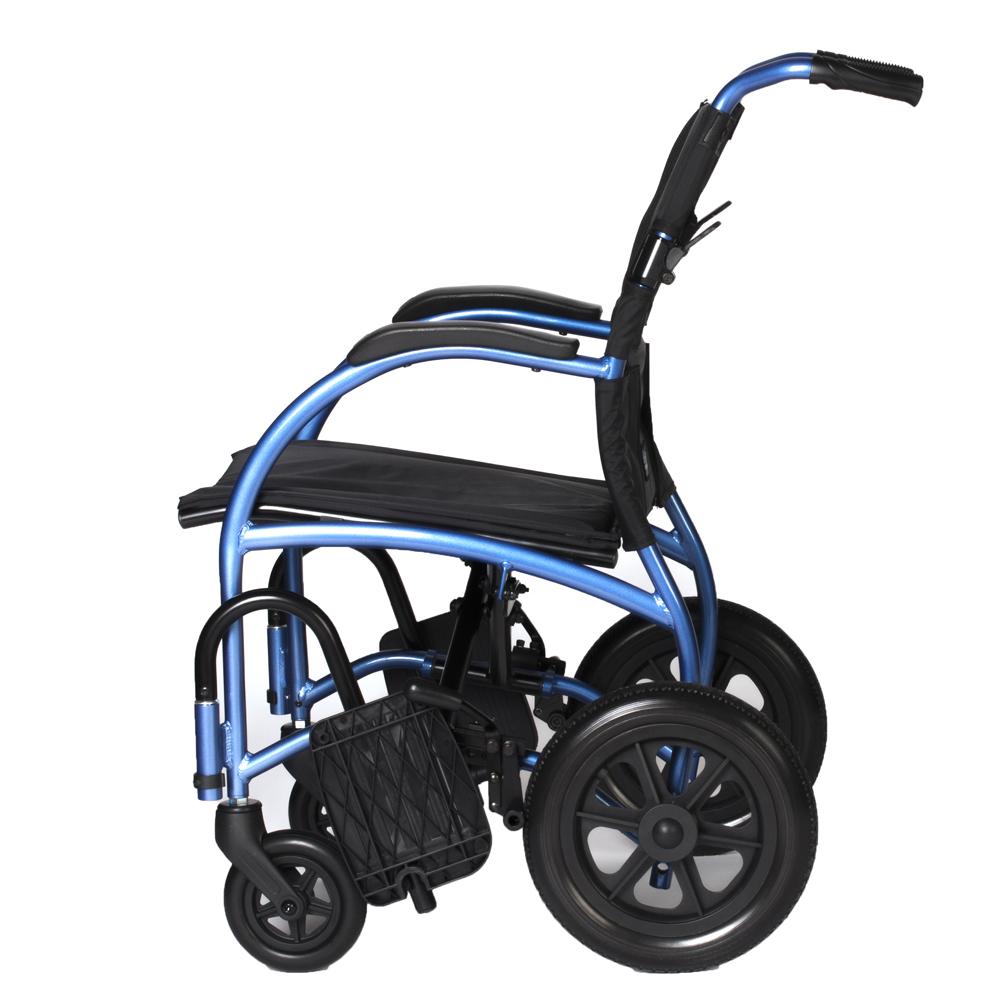
Strongback Mobility Excursion 12S+ Transport Wheelchair with Attendant Brakes
Factory Direct Ships 2-3 Days! (Estimated) View Product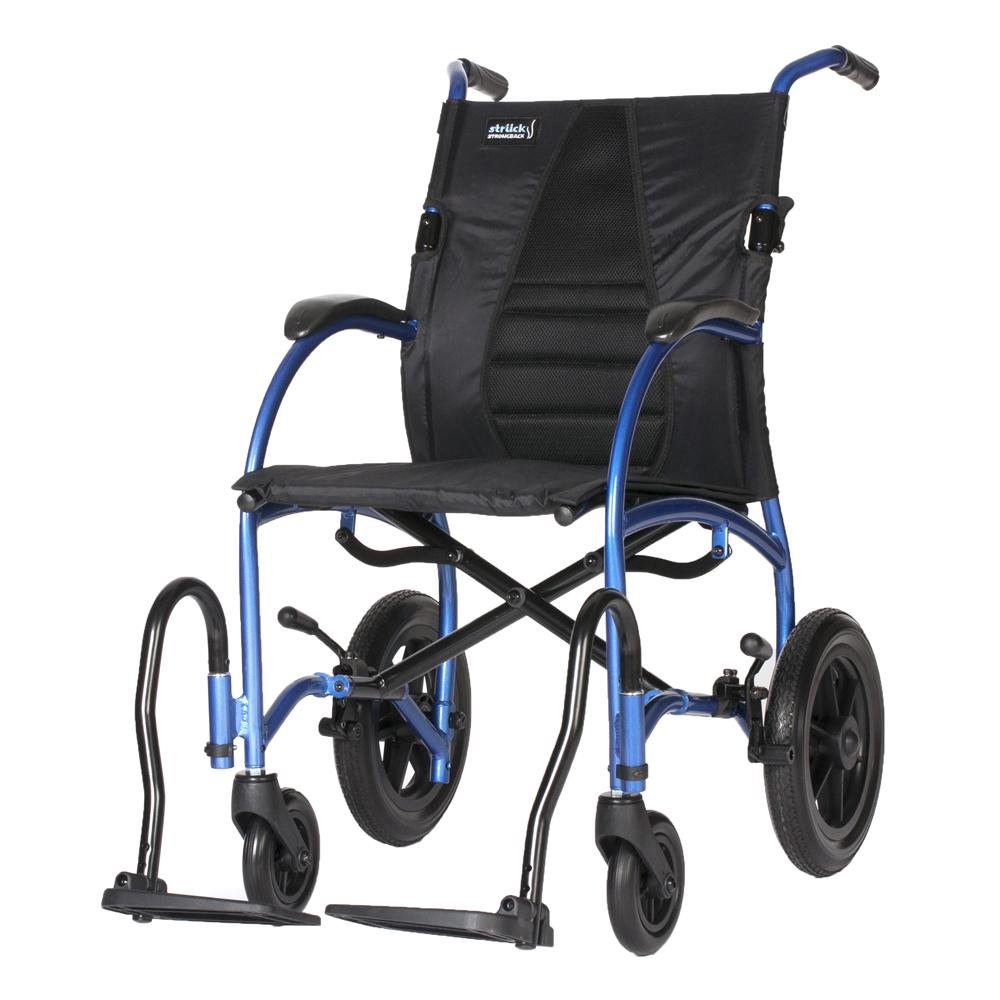
You may also like:
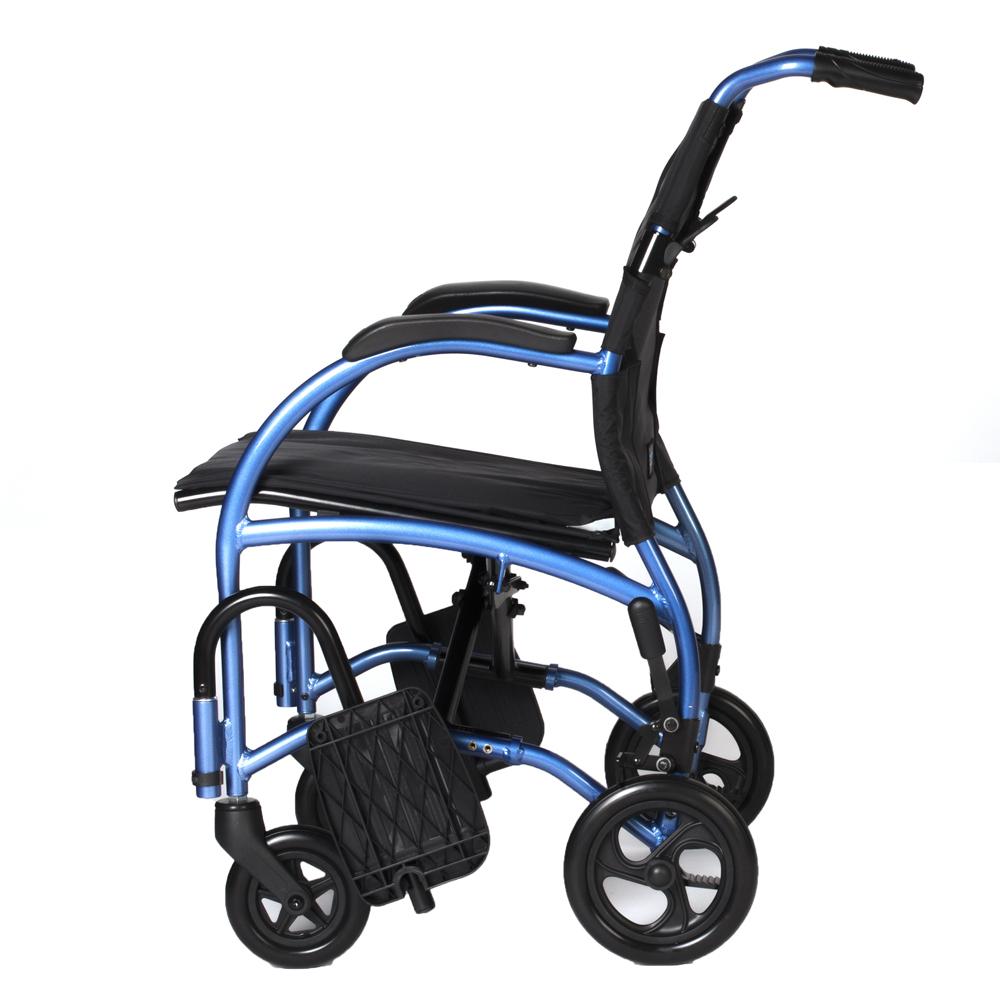
Strongback Mobility Excursion 12 Lightweight Transport Wheelchair with Award-Winning Back Support
Factory Direct Ships 2-3 Days! (Estimated) View Product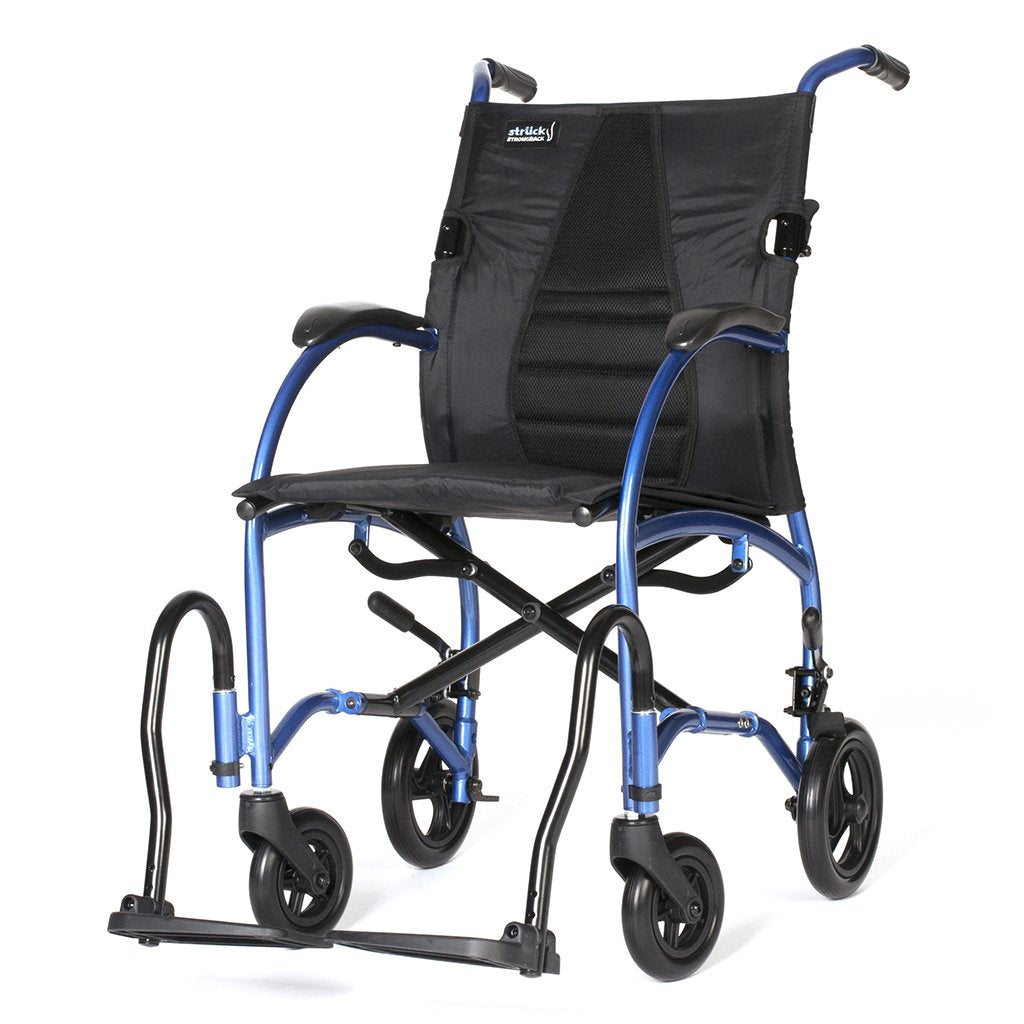
You may also like:
Strongback Mobility Excursion 8 Transport Wheelchair
Factory Direct Ships 2-3 Days! (Estimated) View Product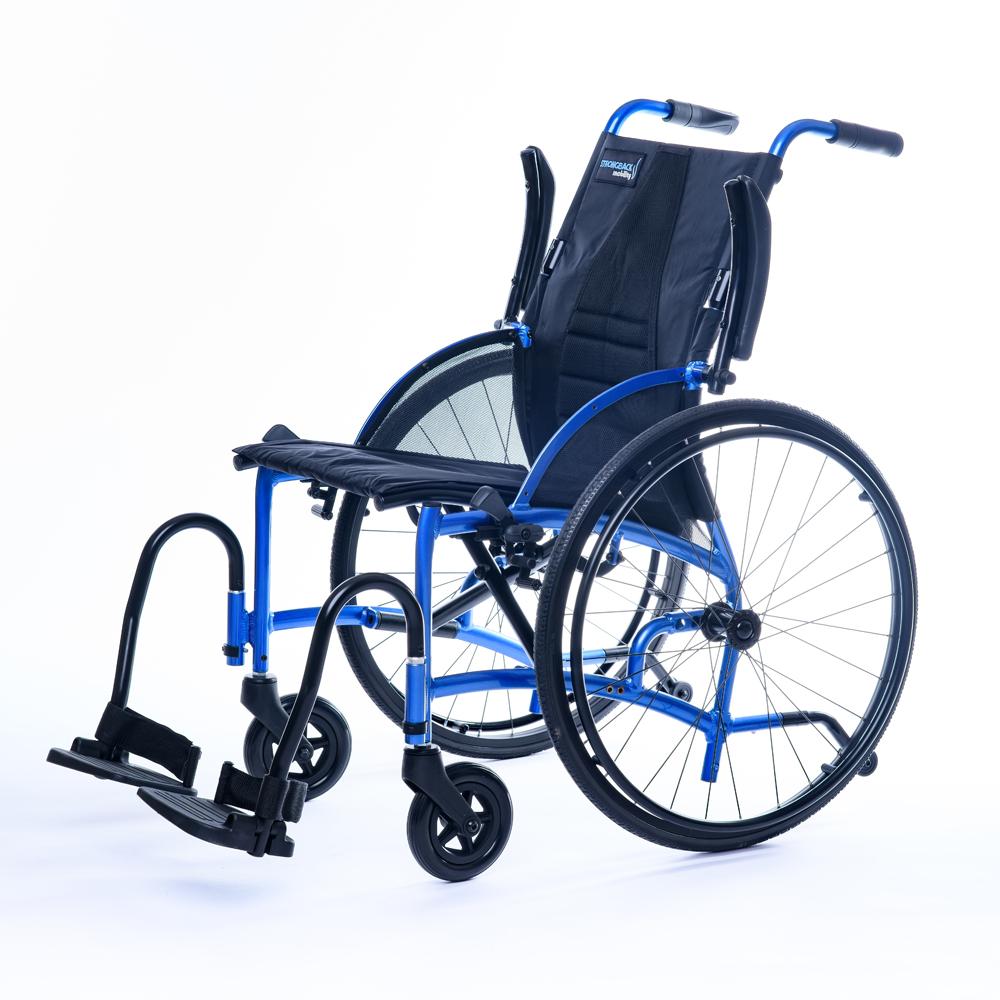
You may also like:
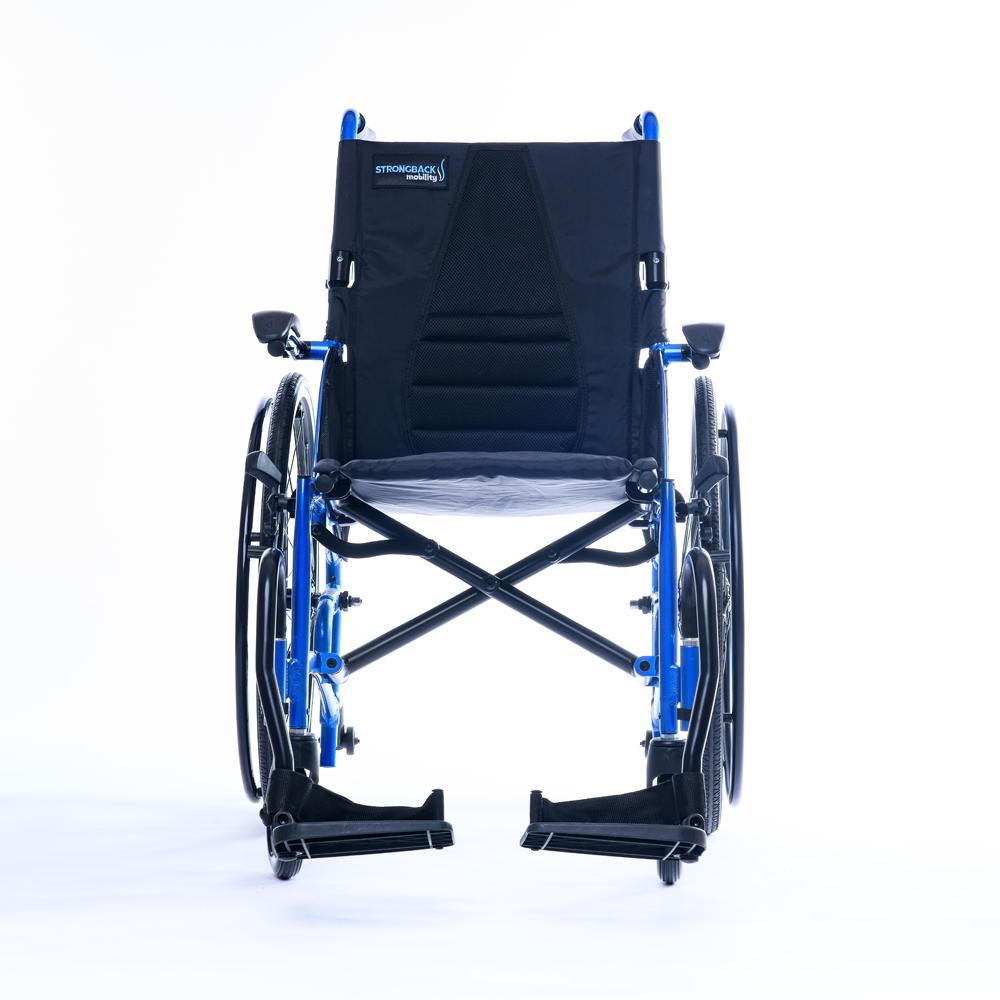
Strongback Mobility 24 Flip | Ergonomic Lumbar-Support Manual Wheelchair with Flip-Back Armrests
Factory Direct Ships 2-3 Days! (Estimated) View Product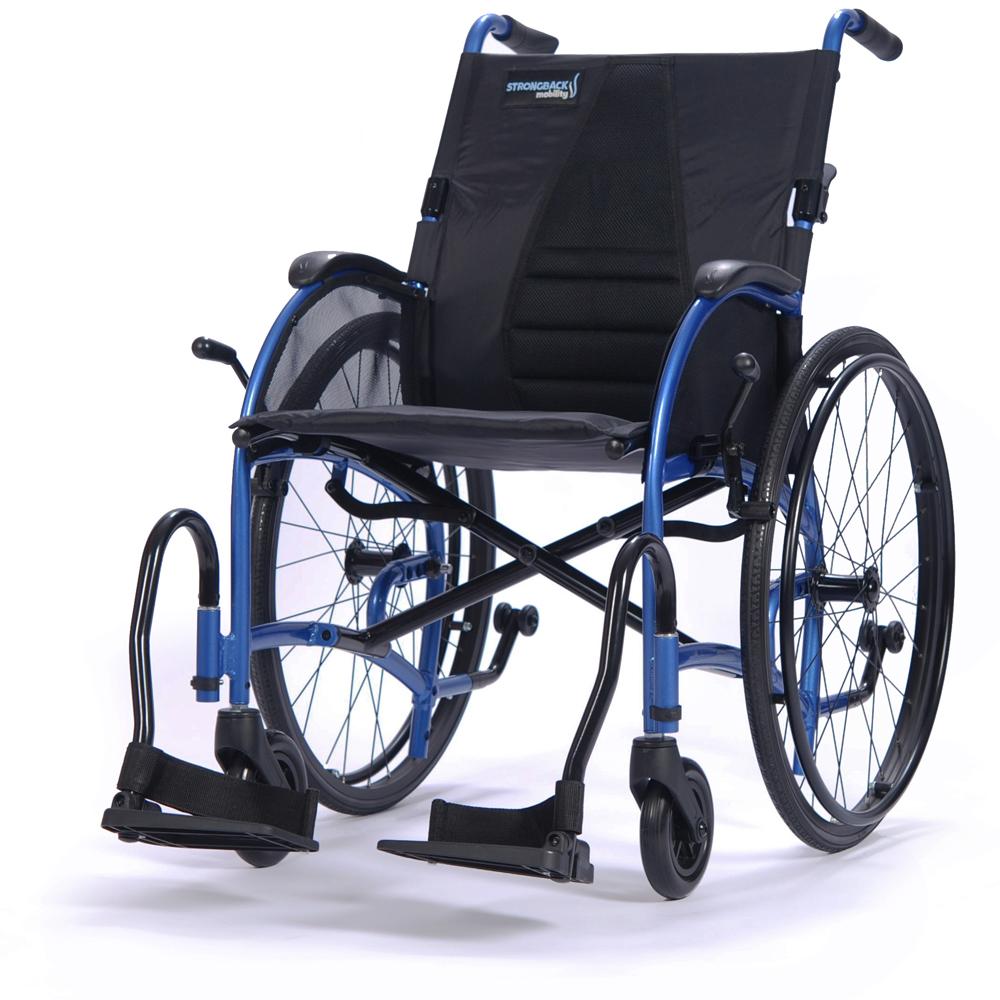

You may also like:
Strongback Mobility 24 Lightweight Folding Wheelchair
Factory Direct Ships 2-3 Days! (Estimated) View Product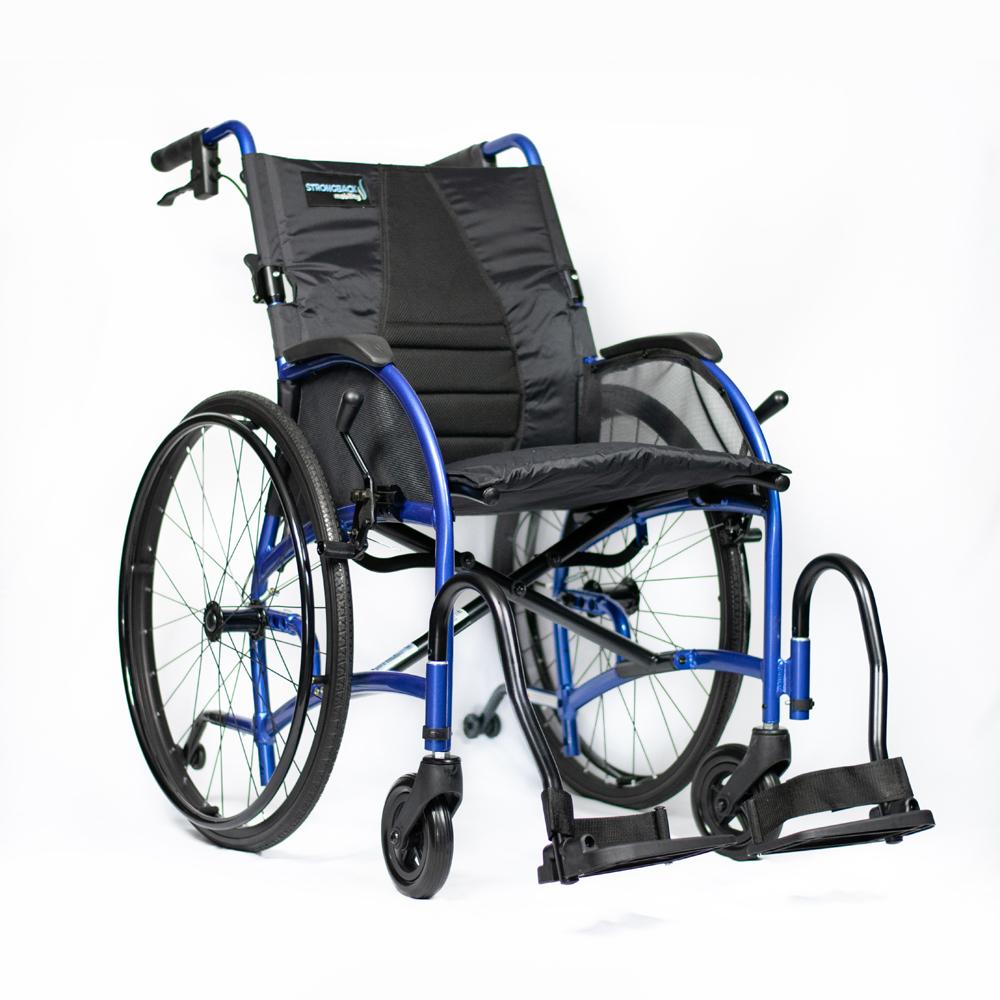
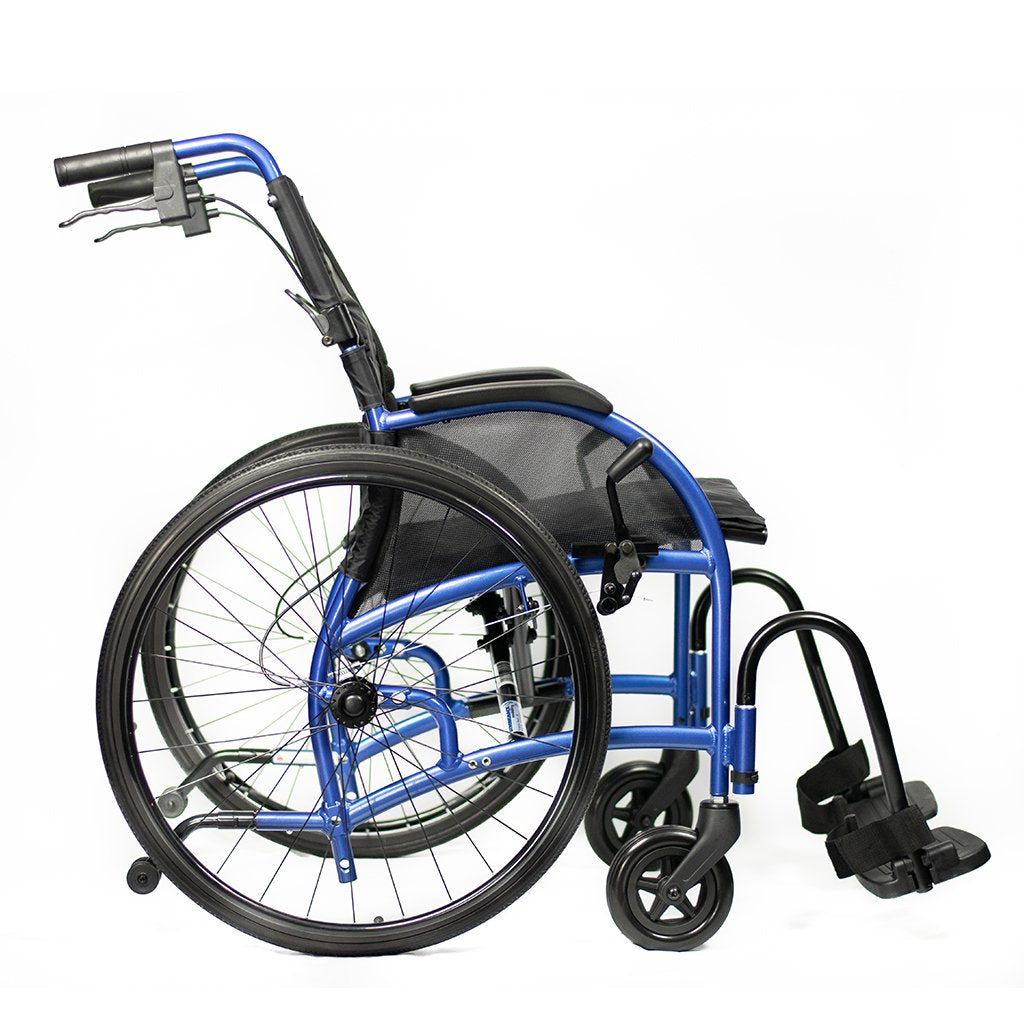
You may also like:
STRONGBACK 24 Lightweight Folding Wheelchair with Attendant Brakes – Ergonomic Lumbar Support & Effortless Caregiver Control
Factory Direct Ships 2-3 Days! (Estimated) View Product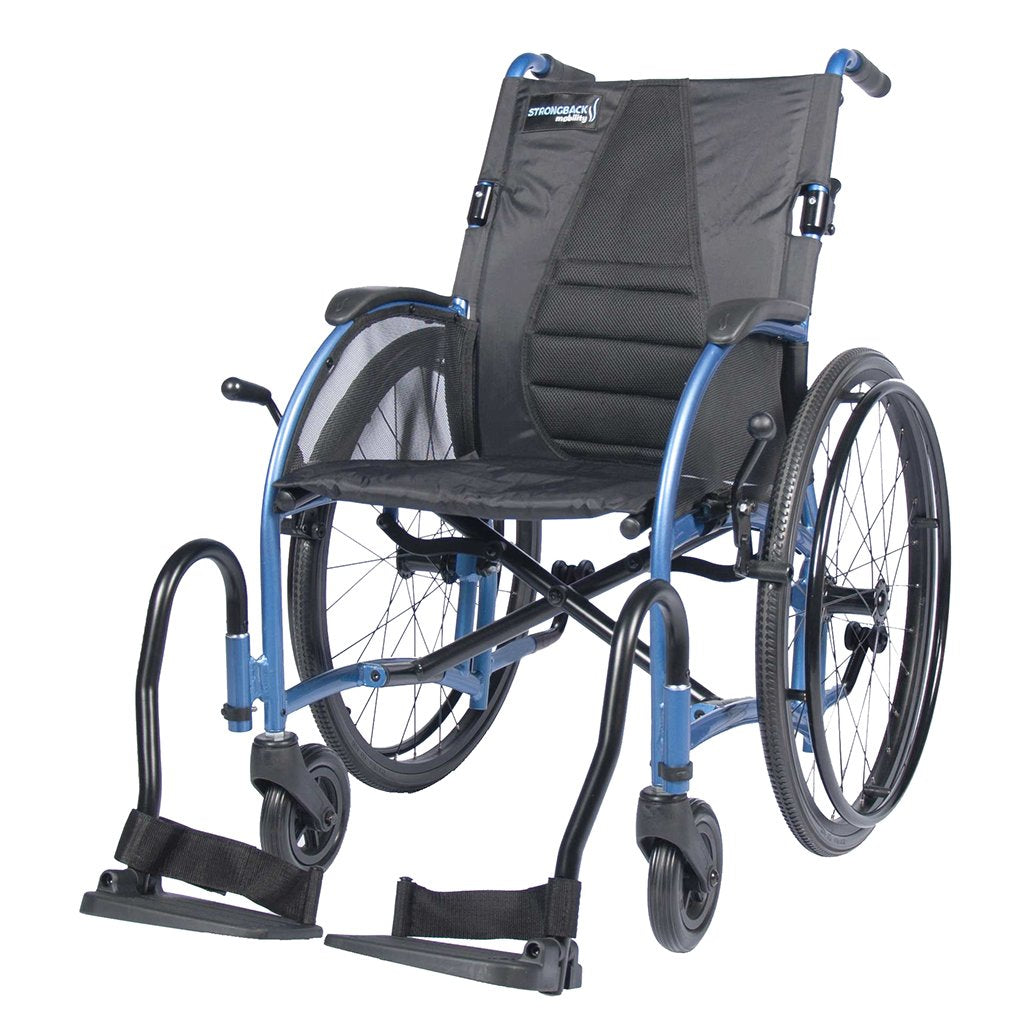
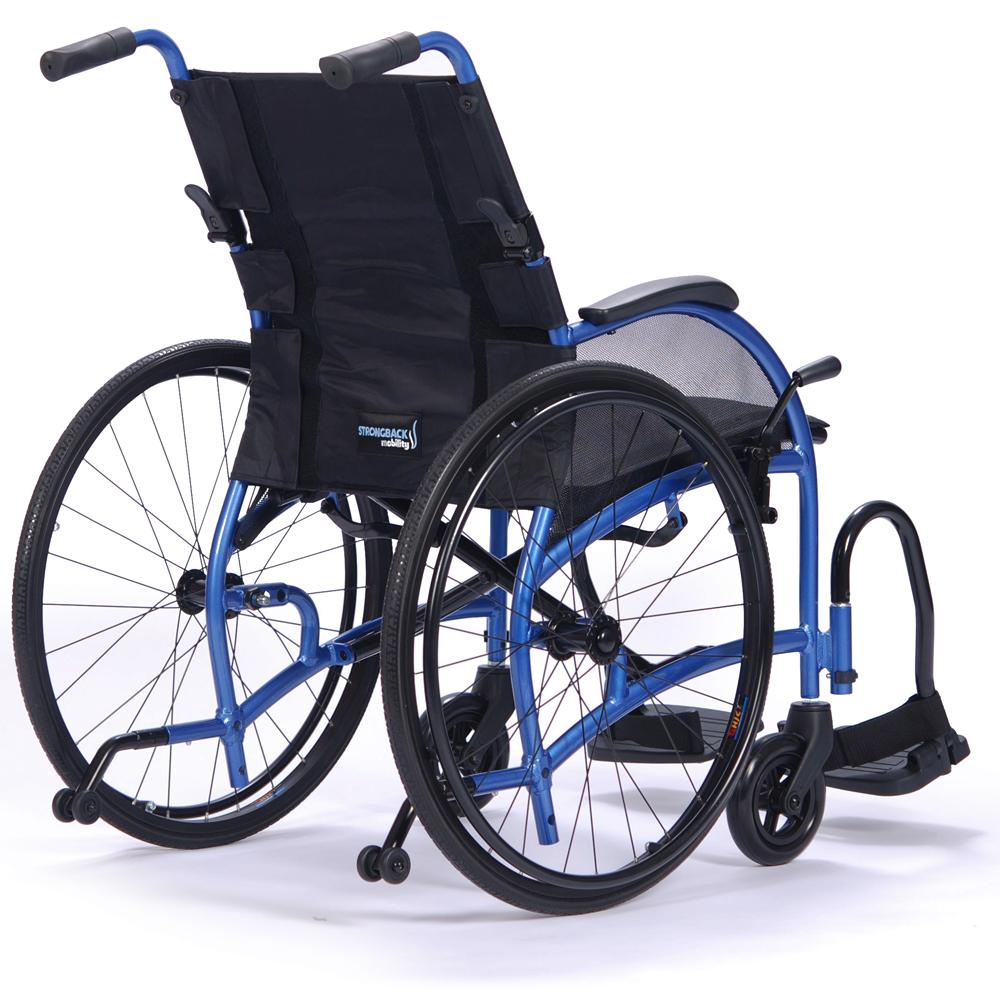
You may also like:
Strongback Mobility 22S Ergonomic Lightweight Wheelchair – 16" Petite Seat, 22" Quick-Release Rear Wheels, and Patented Folding Lumbar Support Frame
Factory Direct Ships 2-3 Days! (Estimated) View ProductFrequently Asked Questions
Find answers to commonly asked questions below.
-
Will a wheelchair fit through my home’s doorways, hallways, and tight rooms?
Yes, many wheelchairs can fit through standard home areas, but you should measure doorways, hallways, bathroom entries, and turning spaces before choosing a model. The most important fit details are overall chair width, seat width, and turning radius, especially in older homes with narrow interior doors. Rescue Supply’s wheelchair category includes mobility options designed for comfort, durability, and ease of use, with filters that reference turning radius ranges. If your home has thresholds, porch steps, or uneven entryways, pairing the chair with the right threshold ramp or portable ramp can make daily movement much smoother. Families should also check whether rugs, furniture placement, or tight bathroom layouts may limit safe access. A properly fitted wheelchair should make the home easier to navigate while helping the user feel more independent and secure.
-
How do I choose the right wheelchair weight capacity for safe daily use?
Choose a wheelchair with a stated weight capacity that comfortably supports the user’s body weight, daily movement, and any added accessories. Rescue Supply’s category includes weight-capacity filtering in the 300 to 375 lb range, and some bariatric models may offer higher support depending on the product listing. Load capacity matters because an undersized chair can affect stability, comfort, frame durability, and caregiver confidence. Seat width and frame strength should also be reviewed, since a safe fit is about more than the number on the spec sheet. For users who need extra support, a heavy-duty bariatric wheelchair or reinforced frame may be a better long-term choice. Always compare the specific product details before buying so the chair matches real daily use at home.
-
Is a foldable or lightweight wheelchair easier for caregivers to store and transport?
Yes, a foldable or lightweight wheelchair is often easier for family caregivers to store, lift, and transport. Rescue Supply’s collection includes lightweight transport chairs and foldable manual wheelchairs, which can help when space is limited at home or when the chair needs to travel in a vehicle. A folding frame can be especially helpful for closets, entryways, car trunks, and caregiver-managed outings. Lightweight construction may reduce strain when lifting the chair, but families should still confirm the chair weight, folded dimensions, and user weight capacity. Transport chairs can be a smart choice when a caregiver will push the user, while manual wheelchairs may offer more independence for users who can self-propel. The best option is the one that balances comfort, storage, and the caregiver’s ability to manage the chair safely.
-
What wheelchair features make home transfers safer for bedrooms, bathrooms, and vehicles?
Wheelchairs with adjustable components, supportive seating, smooth-rolling wheels, and removable or swing-away footrests can make home transfers safer and easier. These features matter most around beds, bathrooms, recliners, dining areas, and vehicles, where small movements can create fall risk. Ergonomic seating can improve comfort during longer use, while smooth-rolling wheels help reduce jerky movement over indoor flooring. Swing-away footrests or adjustable legrests may make it easier to stand, pivot, or move closer to a bed or car seat. For bathrooms and narrow transfer areas, families should measure the turning space and consider whether a companion transport chair or more compact model is needed. A safer transfer setup helps protect both the wheelchair user and the caregiver during everyday routines.
-
Are wheelchairs a good long-term investment for aging in place and home mobility?
Yes, the right wheelchair can be a strong long-term investment when it improves independence, reduces caregiver strain, and supports safer movement at home. Durable construction and high-grade materials can help the chair perform reliably through daily use, appointments, and family outings. The best value comes from choosing a wheelchair that fits the user today while still supporting likely changes in strength, balance, or care needs. Foldable manual wheelchairs, lightweight transport chairs, and bariatric models each offer different benefits depending on the home layout and mobility goals. Families should also consider accessories such as wheelchair cushions, ramps, or saddle bags to improve comfort and usability over time. A well-chosen wheelchair can make aging in place feel more practical, dignified, and manageable.