








X-Ray Table Pads
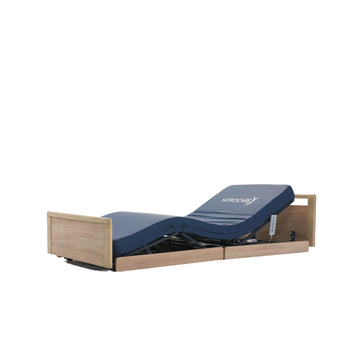
X-ray table pads add patient comfort on imaging tables in hospitals, imaging centers and clinics, including cardiac cath protective table pads.
See also X-ray markers and mobile lead shields.
Buying for a hospital, imaging center, or clinic?
- Request a quote for single units or department orders.
- Send us your physicist shielding report for a quote.
- Tax exempt orders accepted.
- Talk to a specialist: 800-239-1797.


X-Ray Cardiac Cath Protective Table Pad
Factory Direct Ships 1-2 Weeks! (Estimated) View Product
X-Ray Angio 2 Protective Table Pad
Factory Direct Ships 1-2 Weeks! (Estimated) View Product
X-Ray Cardiac Cath Protective Table Pad
Factory Direct Ships 1-2 Weeks! (Estimated) View Product
X-Ray Angio 3 Protective Table Pad
Factory Direct Ships 1-2 Weeks! (Estimated) View ProductFrequently Asked Questions
Find answers to commonly asked questions below.
-
What x-ray table pads are in this collection?
The collection holds four North American Mattress Corp. protective table pad listings built from three designs: the X-Ray Cardiac Cath Protective Table Pad (two listings), the X-Ray Angio 2 Protective Table Pad, and the X-Ray Angio 3 Protective Table Pad.
-
What is the difference between the cardiac cath and angio pads?
The cardiac cath pad is made for cardiac catheterization lab tables, while the Angio 2 and Angio 3 pads serve angiography suites — each is shaped for its imaging table and procedure type.
-
How many pad designs are offered?
Three designs across four listings. The Cardiac Cath pad appears twice, so compare its two listings if that is the pad you need; the Angio 2 and Angio 3 each appear once.
-
What do protective table pads do on an imaging table?
A protective table pad cushions the patient during imaging and protects the table surface from wear and fluids, extending the life of the imaging table while keeping the patient positioned comfortably for the procedure.
-
Who uses x-ray table pads like these?
Hospital imaging departments, cardiac cath labs and angiography suites use pads like these, and they are typically bought by the imaging department or biomedical and facilities teams that maintain the tables.