






Emergency Drinking Water
Emergency drinking water is a critical resource for survival during natural disasters, power outages, or unexpected emergencies. These water supplies are specially packaged to ensure long shelf life, making them ideal for emergency kits, disaster preparedness plans, and outdoor adventures. Designed to meet strict safety and purity standards, emergency drinking water provides clean hydration when regular water sources are unavailable. Compact and easy to store, these water packs fit conveniently in backpacks, vehicles, and emergency shelters. Many options are lightweight, individually sealed, and resistant to contamination, ensuring reliability in any situation. Whether you’re preparing for hurricanes, earthquakes, or camping trips, emergency drinking water is an essential part of staying safe and hydrated. Stock up today to protect yourself and your family when every drop counts.

You may also like:
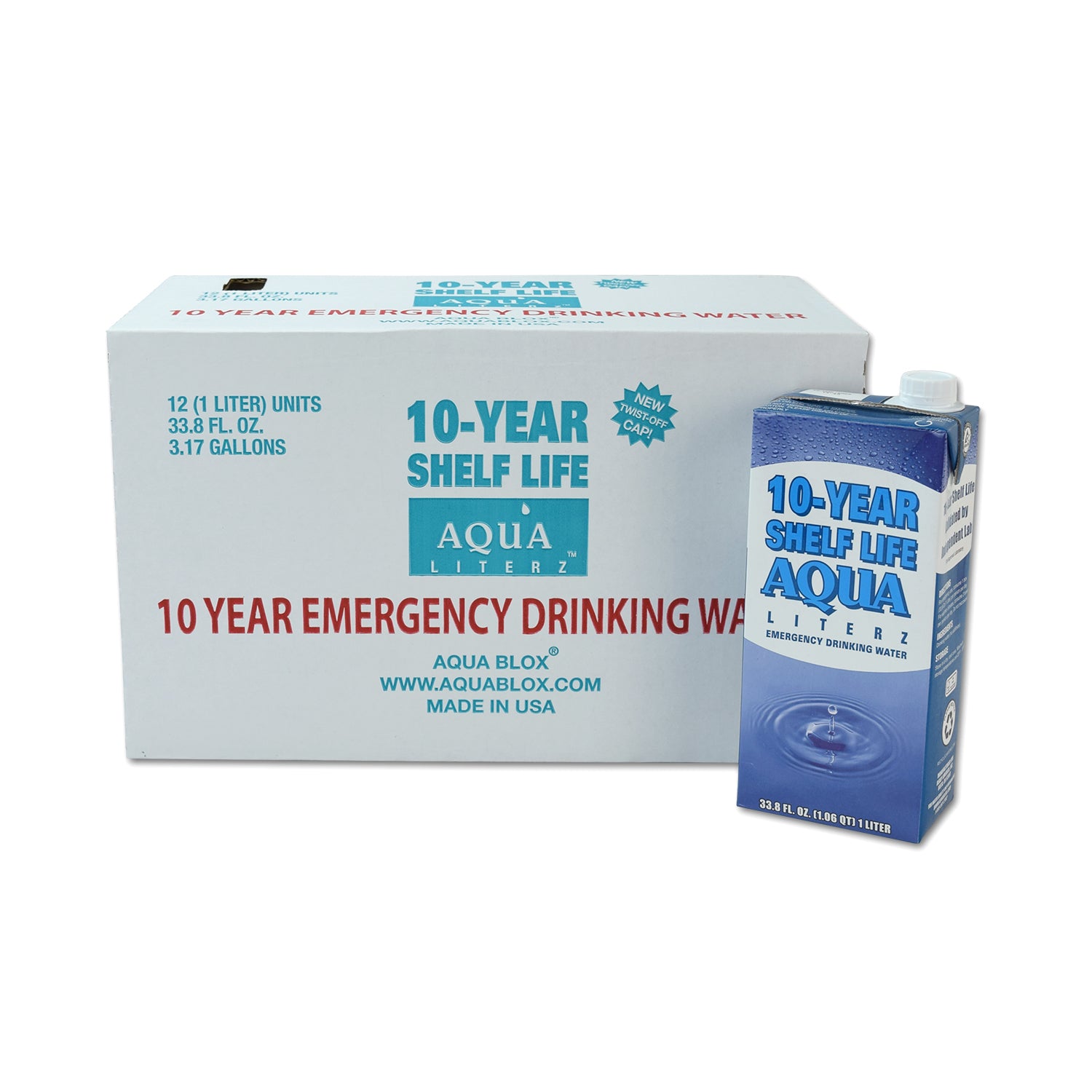
MayDay Aqua Literz 10-Year Emergency Drinking Water
Made to Order Ships in 10-15 Business Days! (Estimated) More info
You may also like:
MayDay Water Preserver™ 55-Gallon Concentrate – 5-Year Potable Water Storage Solution
Made to Order Ships in 10-15 Business Days! (Estimated) More info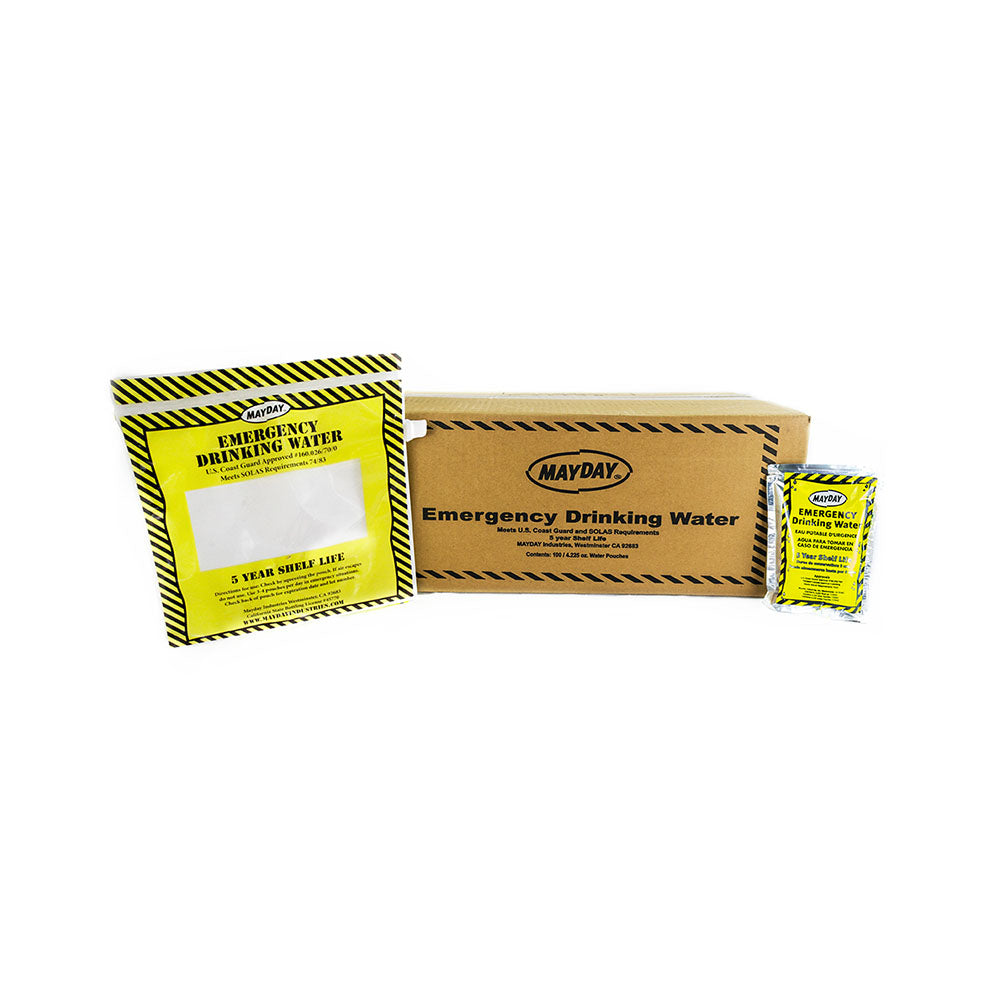
You may also like:
MayDay Emergency Pouch Water and Storage Drink Container
Made to Order Ships in 10-15 Business Days! (Estimated) More info
You may also like:
MayDay Aqua Emergency Drinking Water - 1 Liter Bottles, 12 per Case with Specialized Storage Packaging
Made to Order Ships in 10-15 Business Days! (Estimated) More info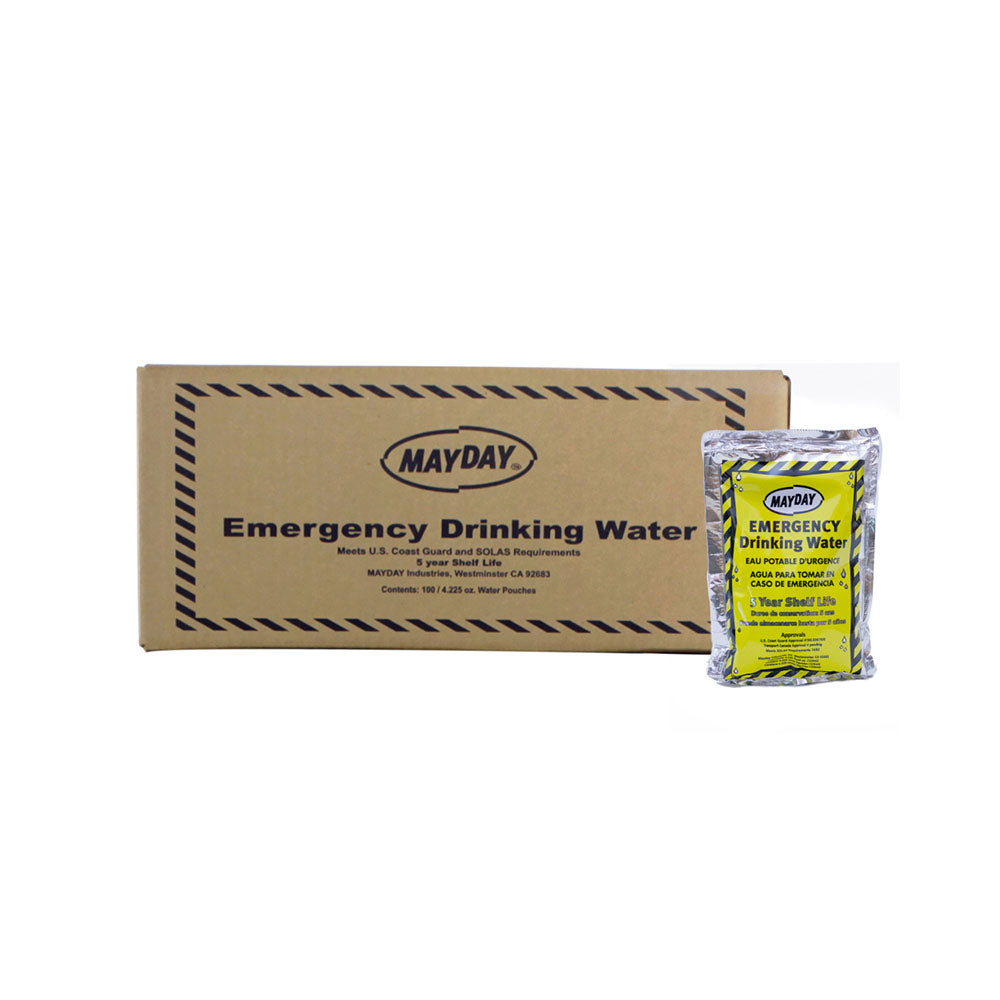
You may also like:
MayDay Emergency Drinking Water Pouches - 4.225 oz Individual Servings
Made to Order Ships in 10-15 Business Days! (Estimated) More info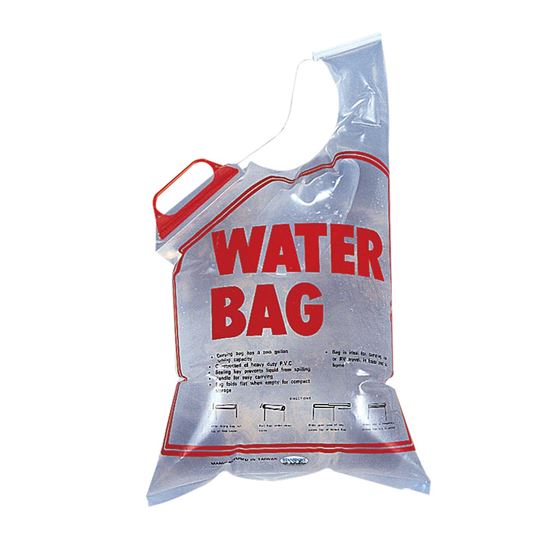
You may also like:
MayDay 2 Gallon Emergency Water Storage Bag - Heavy-Duty Potable Water Solution
Made to Order Ships in 10-15 Business Days! (Estimated) More infoFrequently Asked Questions
Find answers to commonly asked questions below.
-
What is emergency drinking water?
Emergency drinking water refers to water that is stored or packaged specifically for use during disasters, outages, or situations where regular water sources are unavailable or unsafe. It is typically sealed in sterile, food-grade containers to prevent contamination and ensure long shelf life. Emergency water can come in bottles, pouches, or cartons and is often treated through processes like pasteurization or filtration to meet safety standards. This water is essential for survival during hurricanes, floods, earthquakes, or infrastructure failures. Experts recommend storing at least one gallon per person per day for a minimum of three days, ideally two weeks. Having emergency drinking water on hand ensures hydration and reduces health risks when clean water access is disrupted.
-
Is it safe to drink emergency drinking water?
Yes, emergency drinking water is safe to consume when properly packaged and stored. Commercially bottled or sealed emergency water is processed to meet strict safety standards and is free from harmful microorganisms. However, if you are using water from alternative sources during an emergency, it must be treated before drinking. Boiling water for at least one minute or disinfecting with unscented household bleach are effective methods to kill bacteria and viruses. Avoid water that may contain fuel, chemicals, or toxins, as these cannot be made safe by boiling or disinfecting. Always check expiration dates on packaged water and store it in a cool, dark place to maintain quality.
-
How long is emergency drinking water good for?
The shelf life of emergency drinking water depends on packaging and storage conditions. Commercially bottled water typically has a “best by” date of about two years, but the water itself does not spoil—this date reflects the integrity of the container. Specialized emergency water products, like Aqua Literz, can last up to 10 years when stored properly. For water you store yourself in food-grade containers, replace it every six months to prevent bacterial growth. Keep water in a cool, dark place away from chemicals and direct sunlight to maximize shelf life. Proper storage ensures your emergency water remains safe and palatable for years.
-
What to do if you suddenly have no water?
If you lose access to water unexpectedly, first check if the outage is local or widespread by contacting neighbors or your utility provider. Use any stored emergency drinking water for hydration and essential tasks. If you have no stored water, look for safe sources such as bottled water, water heater tanks, or melted ice made before the outage. Collect rainwater in clean containers and boil it before drinking. Reduce water usage by skipping non-essential tasks and using disposable plates to minimize dishwashing. If possible, fill bathtubs or large containers with water as soon as you notice pressure dropping. Always purify any questionable water before consumption.
-
How long are you allowed to be without water?
The human body can typically survive about three days without water, though this varies based on age, health, activity level, and environmental conditions. In hot climates or during physical exertion, dehydration can occur much faster, reducing survival time to as little as one to two days. Symptoms of dehydration progress quickly, starting with thirst and fatigue and leading to confusion, organ failure, and death if not addressed. Because water is essential for every bodily function, even short periods without it can be dangerous. Always prioritize hydration during emergencies and plan ahead by storing adequate emergency drinking water.
-
How to live in a house with no water?
Living without running water requires planning and adaptation. Start by stockpiling bottled water and large jugs for drinking and cooking. For hygiene, use sponge baths with minimal water and keep hand sanitizer available. Collect rainwater or use nearby natural sources, but always filter and boil before use. Store water in food-grade containers and rotate supplies every six months. For toilets, keep buckets of water for manual flushing or consider a portable toilet system. Disposable plates and utensils help reduce water needed for cleaning. With preparation and resourcefulness, you can maintain basic hygiene and hydration until water service is restored.


