






Fire Hose Testers
Ensuring that your firefighting equipment is up to code and ready for emergencies is a critical responsibility for any department or industrial facility. To maintain optimal safety and performance, investing in professional-grade fire hose testers is absolutely essential for compliance and operational peace of mind. These specialized hydrostatic machines provide a secure, controlled environment to accurately identify leaks, structural weaknesses, and pressure limitations before a hose is ever deployed in the field.
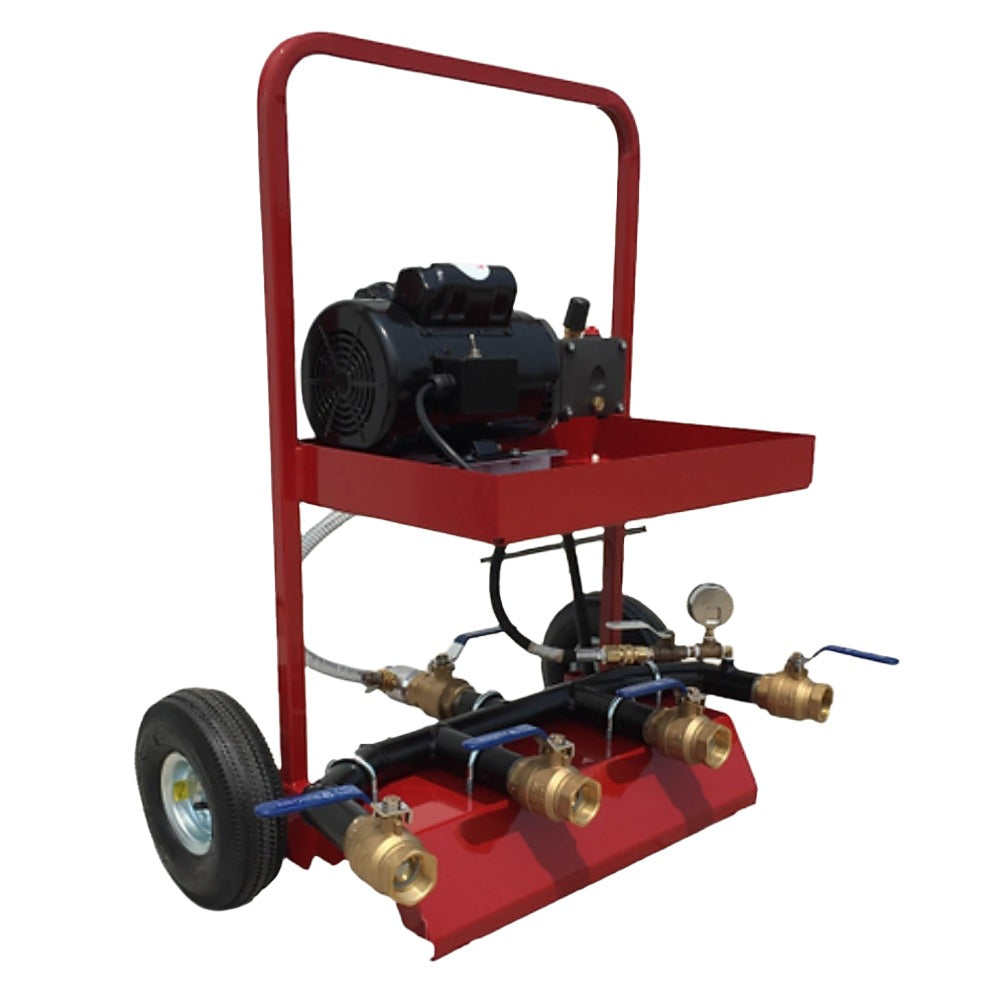
Our premium testing pumps are engineered to meet strict NFPA 1962 standards, offering unmatched reliability and precision for your maintenance crew. Built with heavy-duty roll cages and independently controlled stainless steel ball valves, these units easily withstand the rigorous demands of frequent use. Whether you need a compact two-outlet electric model for a smaller station or a high-volume four-outlet system for a large municipal department, our selection delivers smooth, wild-line-free operation. Features like adjustable pressure regulators and liquid-filled gauges ensure accurate readings, allowing your team to work efficiently and safely.
Equip your maintenance personnel with the industry's most dependable hydrostatic testing solutions to keep your life-saving equipment functioning flawlessly. Browse our extensive inventory below to find the perfect testing machine for your facility's operational needs and budget constraints. Upgrade your station's safety protocols and shop our collection today to ensure your department is always ready for the call.

You may also like:
Flame Fighter Electric Hose Tester & Wash Station (4-Outlet) – Compact Compliance
Made to Order Ships in 10-12 Weeks! (Estimated) More info

You may also like:
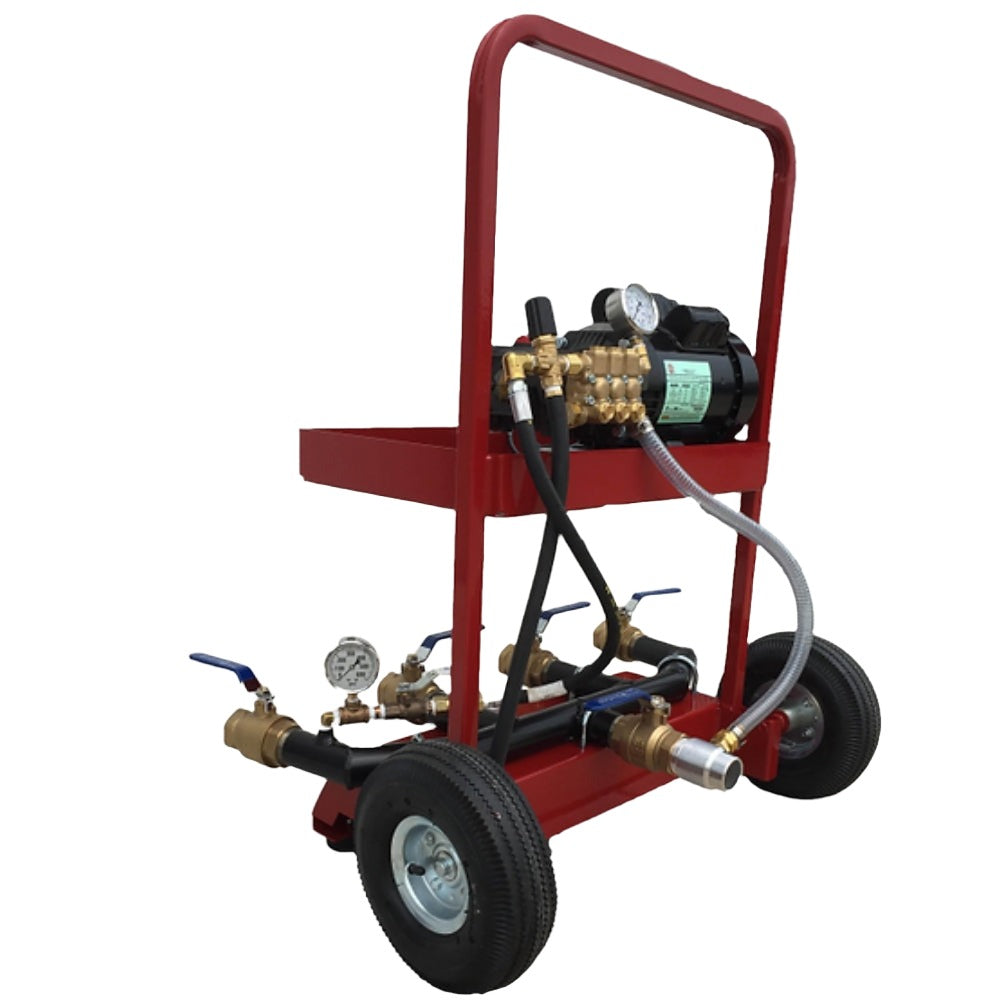
Flame Fighter Electric Hose Tester & Wash Station (6-Outlet) – Test & Clean System
Made to Order Ships in 10-12 Weeks! (Estimated) More info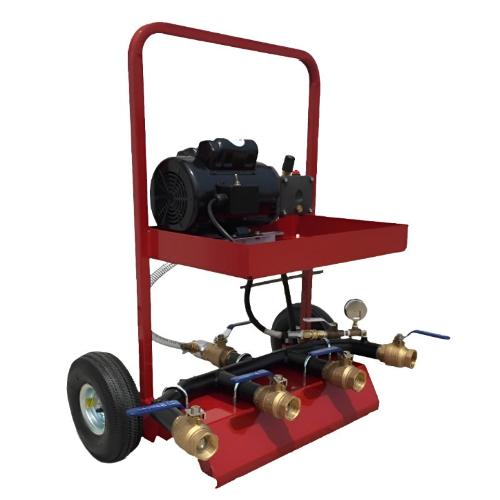
You may also like:
Flame Fighter Electric Hose Tester (4-Outlet) – Portable NFPA Compliance
Made to Order Ships in 10-12 Weeks! (Estimated) More info
You may also like:
Flame Fighter Electric Hose Tester (6-Outlet) – High-Volume NFPA Compliance System
Made to Order Ships in 10-12 Weeks! (Estimated) More info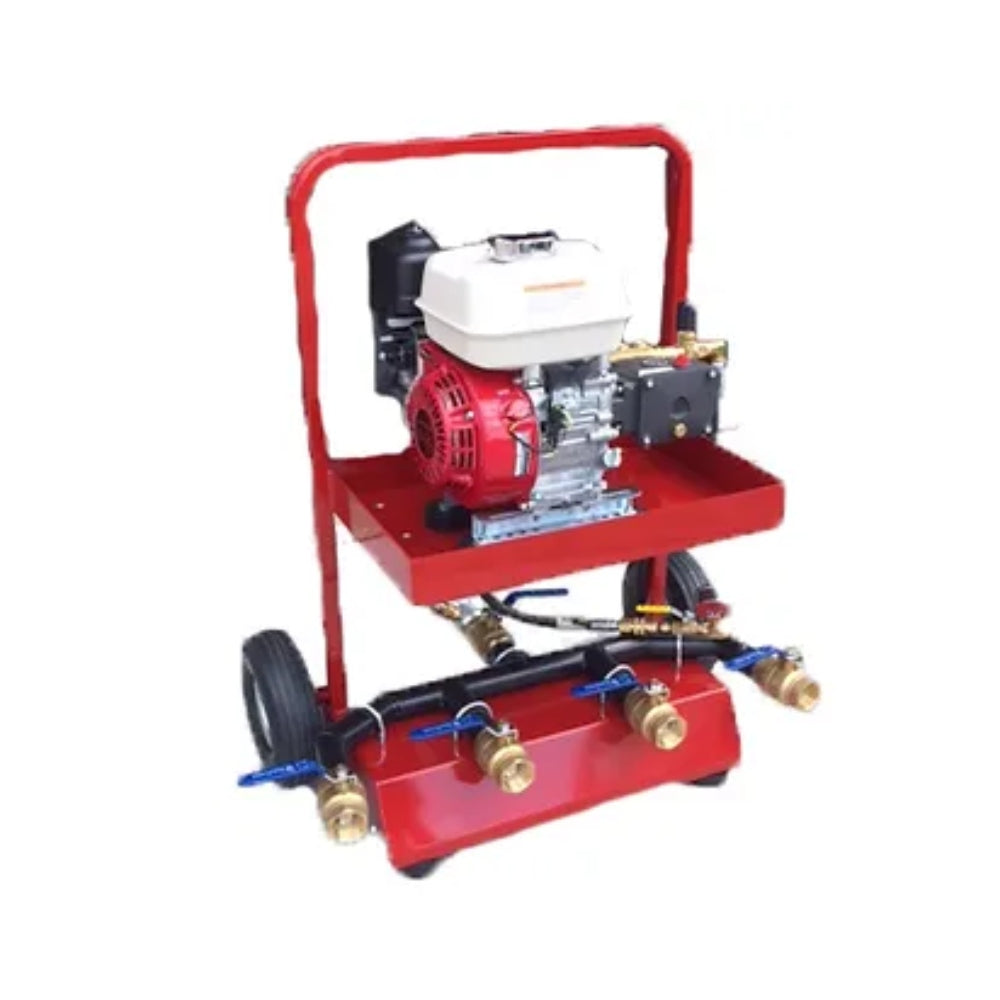
You may also like:
Flame Fighter Gas Hose Tester & Wash Station (4-Outlet) – Field Compliance System
Made to Order Ships in 10-12 Weeks! (Estimated) More info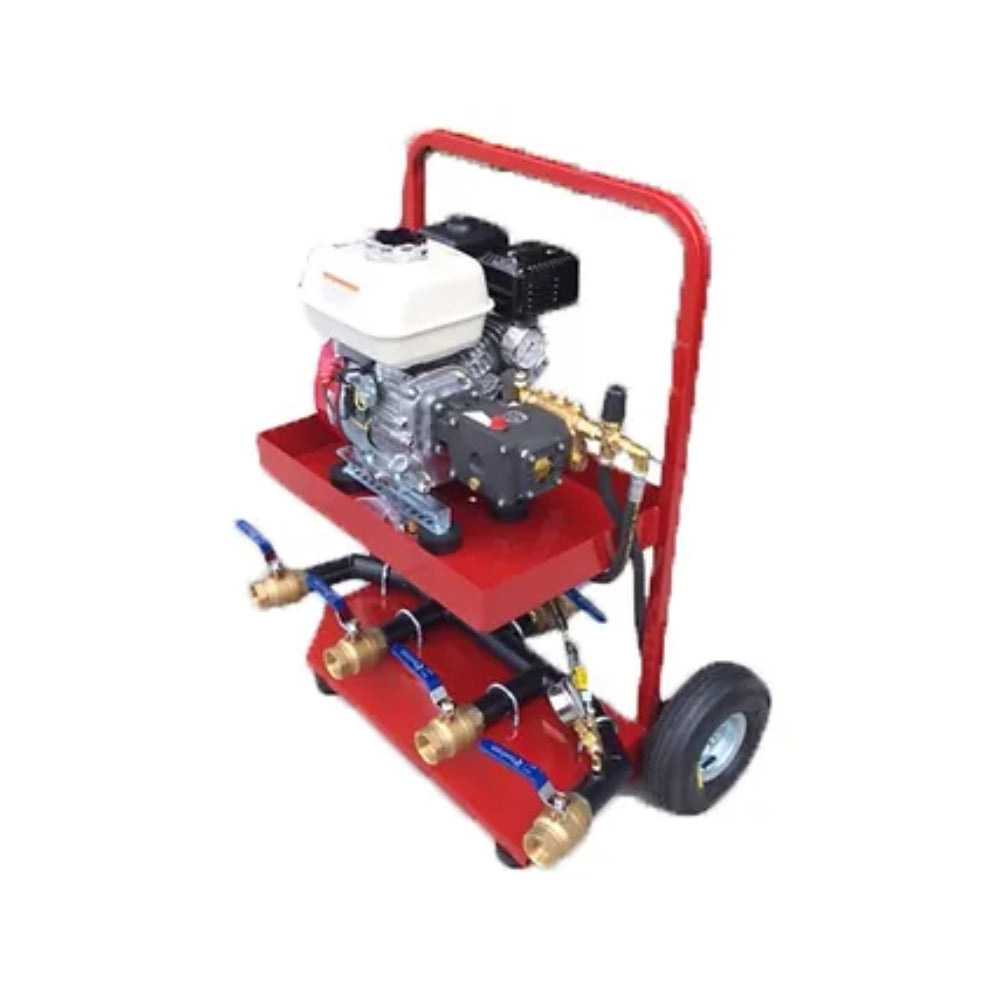
You may also like:
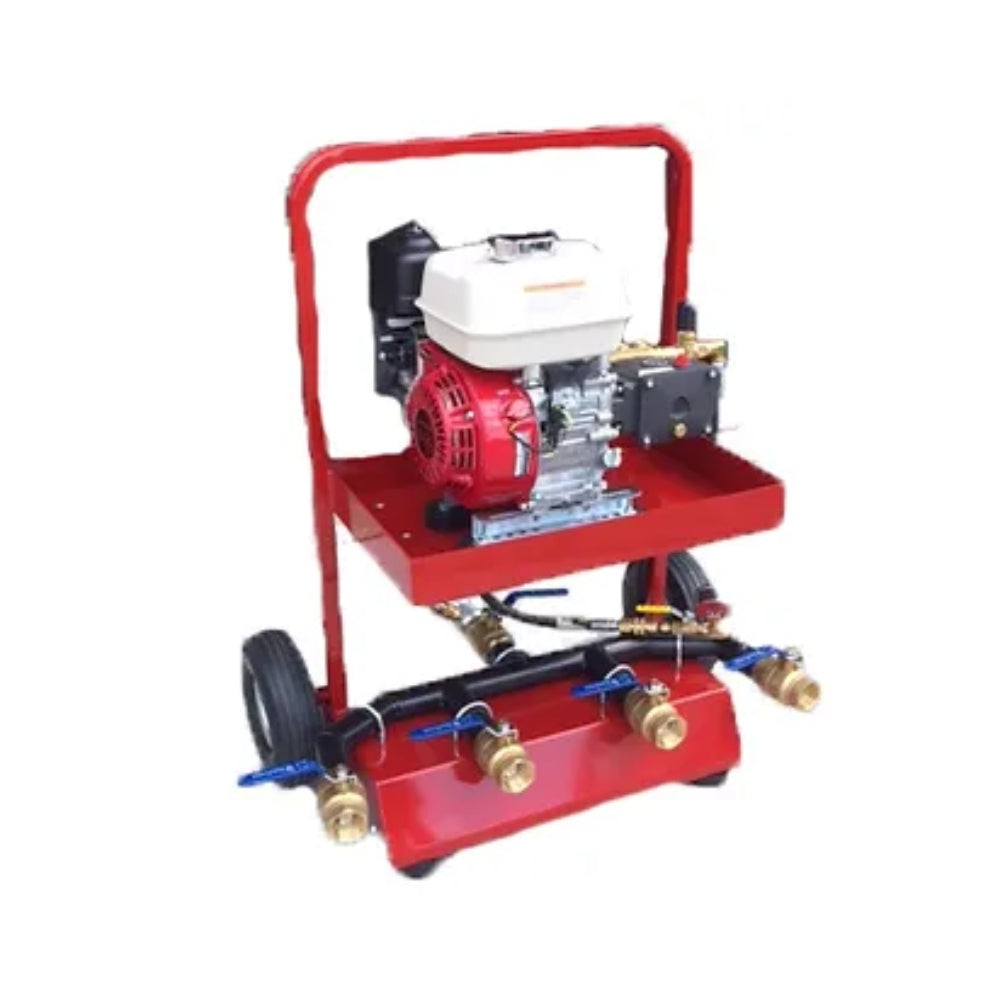
Flame Fighter Gas Hose Tester without Pressure Washer (6 Outlet)
Made to Order Ships in 10-12 Weeks! (Estimated) More info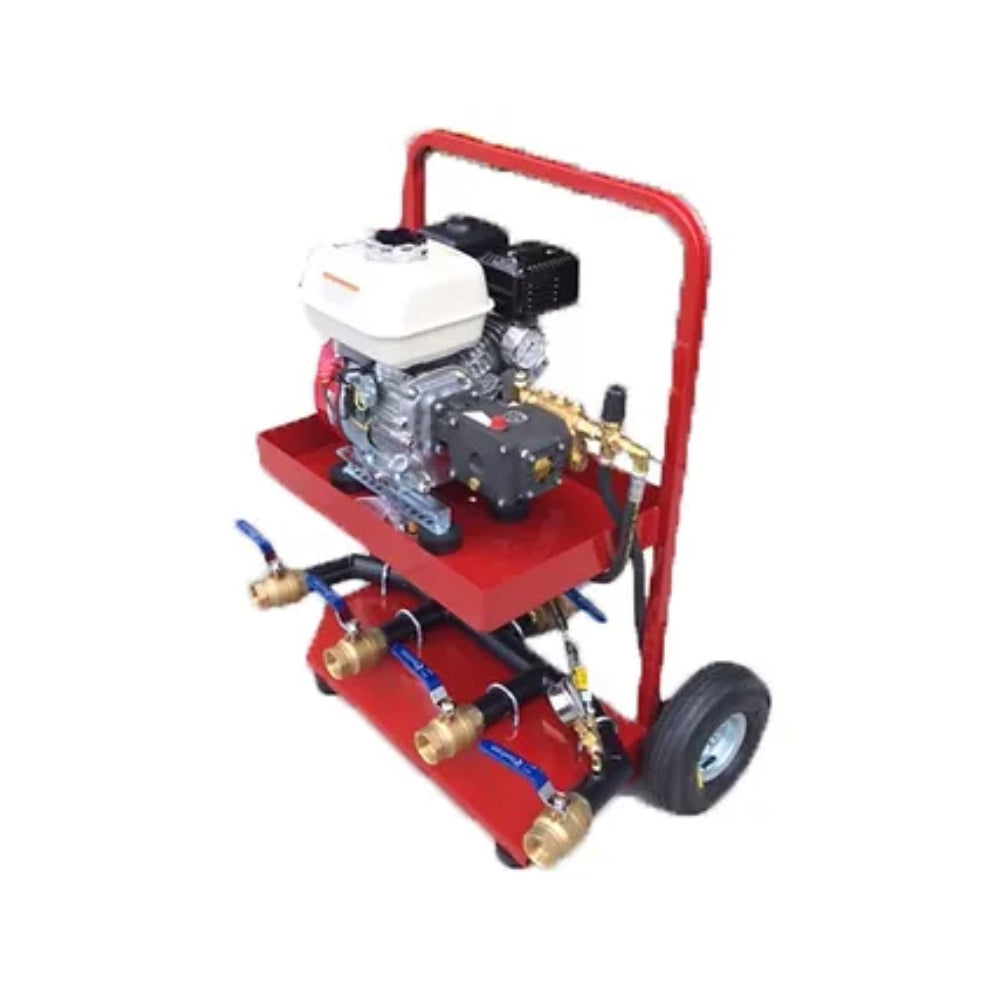
You may also like:
Flame Fighter Gas Hose Testers without Pressure Washer (4 Outlet)
Made to Order Ships in 10-12 Weeks! (Estimated) More info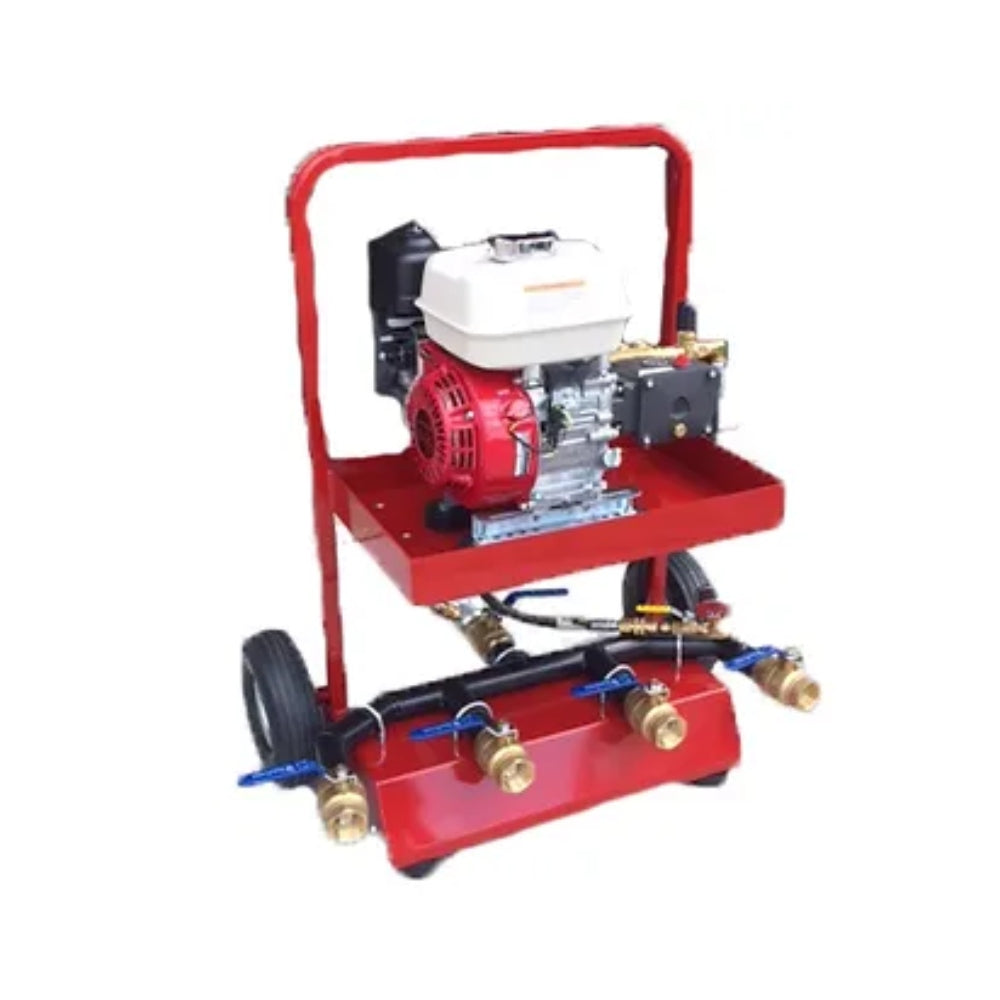
You may also like:
Flame Fighter Gas Hose Testers with Pressure Washer (6 Outlet)
Made to Order Ships in 10-12 Weeks! (Estimated) More infoFrequently Asked Questions
Find answers to commonly asked questions below.
-
How do these dedicated hydrostatic testers guarantee compliance with NFPA 1962 standards while mitigating operator liability?
These dedicated hydrostatic testers guarantee strict adherence to NFPA 1962 by delivering a controlled, verifiable testing environment specifically engineered for fire hose care and inspection. By utilizing a positive displacement pump, the equipment generates a precise, non-pulsating hydrostatic pressure that safely tests the structural limits of the hose jacket. This carefully controlled pressurization completely eliminates the dangerous kinetic energy and "wild lines" typically associated with using a standard fire apparatus for high-flow testing. Operators can seamlessly rely on integrated liquid-filled gauges and dedicated air bleed valves to safely monitor and record the mandatory pressure hold periods required by national regulations. Consequently, facility managers can confidently document all testing procedures for insurance audits, effectively mitigating institutional liability while heavily prioritizing on-site crew safety.
-
Can these portable testing units be seamlessly integrated into older apparatus bays or remote staging areas with limited utility access?
Facility managers can seamlessly integrate these portable testing units into any operational footprint thanks to their compact chassis and versatile power options. Electric models are explicitly designed for "plug-and-play" deployment inside tight apparatus bays, requiring only a standard 110-volt electrical circuit and a basic garden hose water supply. For remote wildland deployments or rural industrial sites lacking reliable AC power, gas-powered units deliver total operational autonomy directly at the water source. The heavy-duty roll-cage frames are specifically dimensioned to fit through standard 36-inch commercial doorways, ensuring effortless mobility and minimal storage requirements. Ultimately, this scalable design allows growing departments to rapidly expand their testing capabilities without undertaking expensive electrical or facility infrastructure upgrades.
-
How does deploying an independent fire hose tester drastically improve total cost of ownership (TCO) and reduce wear on active fire apparatus?
Deploying an independent fire hose tester dramatically improves your total cost of ownership by entirely removing your expensive primary fire apparatus from the rigorous annual testing cycle. When departments rely on frontline pumper trucks for mandatory hydrostatic testing, they inflict massive unnecessary wear and tear on the vehicle's engine, transmission, and internal pump mechanics. Utilizing a dedicated testing machine instantly prevents premature cavitation damage and significantly reduces ongoing fleet maintenance costs and excessive diesel fuel consumption. Furthermore, combo units featuring an integrated commercial-grade pressure washer drastically reduce manual labor hours by allowing crews to decontaminate and test up to six lines simultaneously. This compounding reduction in heavy apparatus depreciation and specialized maintenance labor delivers a highly measurable return on investment within the first few testing seasons.
-
What are the specific pressure ratings, flow rates, and maximum hose diameter limits for these hydrostatic testing machines?
These professional-grade testing machines deliver a highly consistent flow rate of 3 GPM while safely achieving maximum hydrostatic pressures of 600 PSI. The robust testing manifold is meticulously engineered to accommodate high-volume operations, easily supporting large-diameter fire hoses up to six inches. Depending on the specific outlet configuration, technical specialists can effectively test up to 300 feet of hose per individual discharge valve, vastly accelerating the workflow for massive municipal fleets. The durable stainless steel ball valves and heavy-duty steel chassis ensure absolute structural integrity even when subjected to continuous, rigorous industrial environments. By maintaining these strict technical tolerances, the equipment guarantees precision performance that accurately exposes critical structural weaknesses before emergency field deployment.
-
How does the independently controlled manifold system isolate pressure loss during a catastrophic hose failure without disrupting the entire testing cycle?
The independently controlled manifold system successfully isolates pressure loss during a catastrophic hose failure by utilizing individually gated stainless steel ball valves. If a specific section of hose bursts under peak hydrostatic pressure, the operator can immediately shut off the designated valve to secure the isolated leak. This critical isolation capability ensures that the remaining intact hose lines maintain their required pressure hold, preventing a total disruption of the ongoing test cycle. Furthermore, this localized shut-off process inherently protects testing personnel from the violent kinetic energy typically released during sudden pneumatic equipment failures. As a result, technical teams can easily log the compromised line, safely bleed down the isolated valve, and seamlessly continue testing the remaining manifold inventory with unprecedented efficiency.


