







Oxygen Tanks

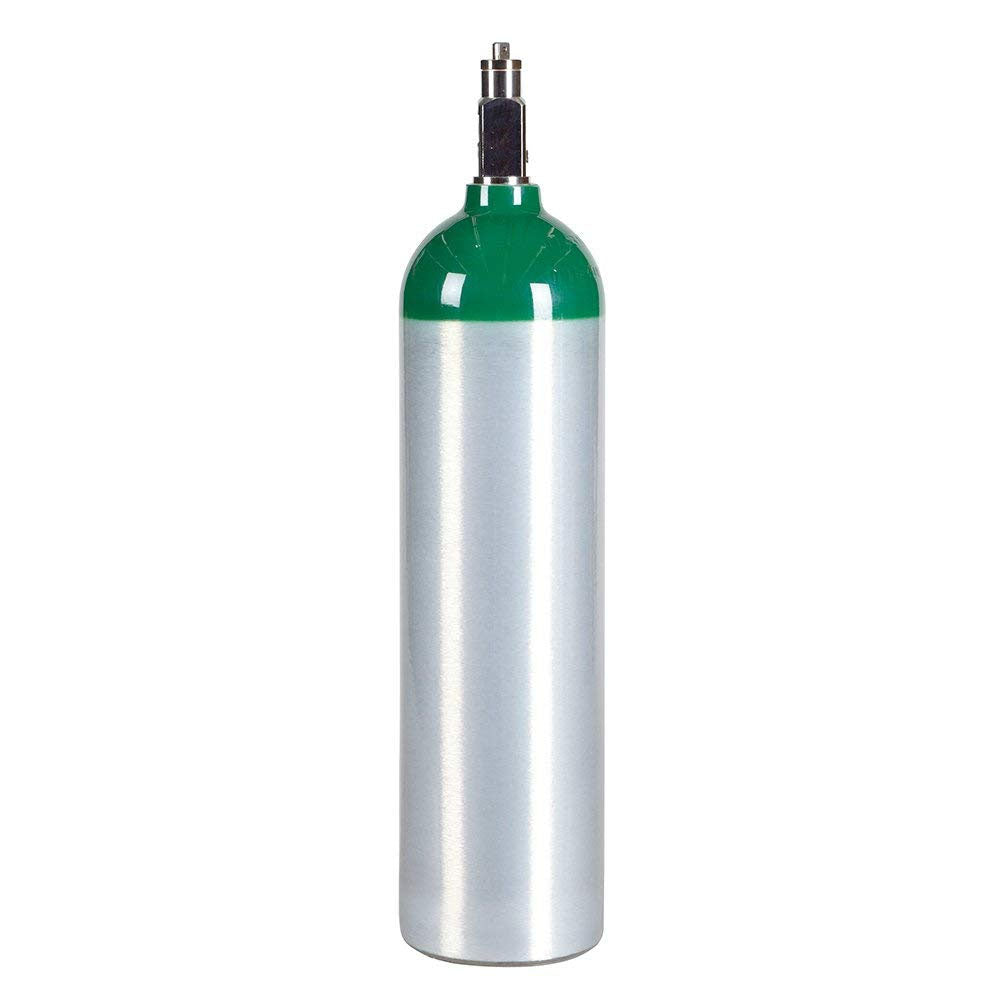
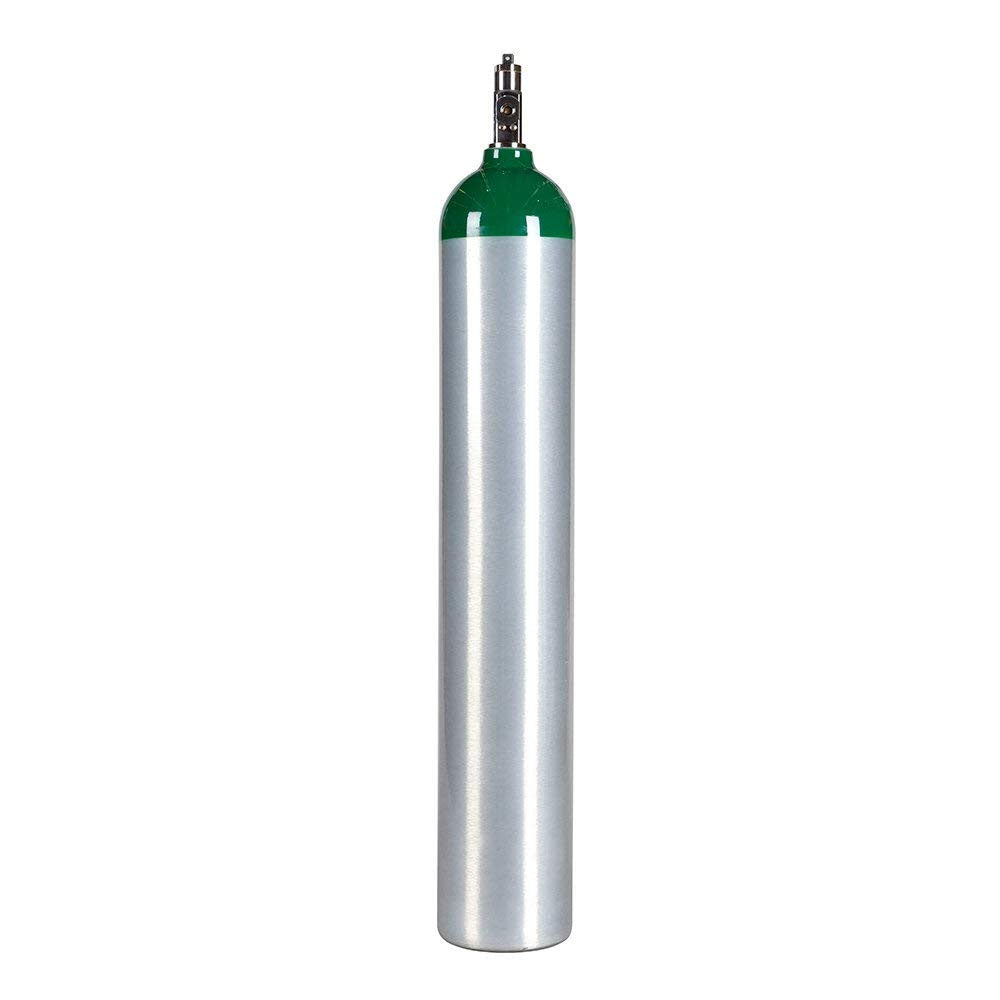
You may also like:
Life EMS Oxygen Cylinders | Portable Medical Oxygen Storage for Emergency Response
Factory Direct Ships 2-3 Days! (Estimated) View Product
You may also like:
LIFE OxygenPac Emergency Oxygen Replacement Cylinder | Refillable and Recyclable Gas Supply
Factory Direct Ships 2-3 Days! (Estimated) View Product
You may also like:
LIFE SoftPac Emergency Oxygen Replacement Cylinder | Refillable Aluminum Medical Gas Tank
Factory Direct Ships 2-3 Days! (Estimated) View Product
You may also like:
MERET M6 Aluminum Oxygen Cylinder | Ultra-Compact Gas Tank with Post Valve
Factory Direct Ships 2-3 Days! (Estimated) View Product

You may also like:
Graham-Field John Bunn Oxygen Cylinder Cart | Heavy-Duty D and E Tank Transport
Made to Order Ships in 6-8 Weeks! (Estimated) View Product
You may also like:
MERET High-Pressure Steel Oxygen Cylinder | CGA540 Valve Integration
Factory Direct Ships 2-3 Days! (Estimated) View Product

You may also like:
MERET Jumbo D Aluminum Oxygen Cylinder | High-Capacity Gas Tank with CGA870 Post Valve
Factory Direct Ships 2-3 Days! (Estimated) View Product
You may also like:
MERET ME Aluminum Oxygen Cylinder with Post Valve for Institutional and Long-Duration Medical Care
Factory Direct Ships 2-3 Days! (Estimated) View Product
You may also like:
MERET MD Aluminum Oxygen Cylinder with Post Valve for Institutional and Tactical Medical Response
Factory Direct Ships 2-3 Days! (Estimated) View Product
You may also like:
MERET M9 Aluminum Oxygen Cylinder with Post Valve for Emergency Medical Response
Factory Direct Ships 2-3 Days! (Estimated) View ProductFrequently Asked Questions
Find answers to commonly asked questions below.
-
How do these medical oxygen tanks comply with DOT-3AL specifications and FDA standards for high-purity respiratory gas storage?
Our medical oxygen tanks are strictly engineered to exceed DOT-3AL specifications and meet all FDA requirements for the safe storage of USP-grade medical oxygen. Each cylinder undergoes rigorous pressure testing and internal cleaning to ensure the gas remains free of particulates and contaminants during long-term storage. We provide full regulatory documentation to procurement officers to satisfy internal clinical audits and Joint Commission inspections. The seamless construction eliminates weak points, providing a high-authority safety profile for both stationary and mobile clinical applications. Utilizing these certified vessels ensures that your facility maintains a legally-defensible safety baseline while adhering to the highest standards of patient care. Standardizing on these professional-grade tanks is a critical step in maintaining a zero-failure respiratory therapy infrastructure.
-
What are the technical advantages of utilizing 6061-T6 aluminum alloy over traditional steel for portable oxygen cylinder applications?
The primary technical advantage of using 6061-T6 aluminum alloy is the significant reduction in weight, which enhances the portability and safety of the tanks for clinical staff and patients alike. This high-strength alloy provides excellent corrosion resistance, preventing the internal oxidation that can occur in steel tanks when exposed to moisture. The lightweight nature of these cylinders reduces the physical strain on EMS personnel during emergency transport and allows for higher-density storage on medical carts. Furthermore, aluminum is non-magnetic, making these specialized cylinders suitable for use in certain diagnostic environments where magnetic interference must be minimized. Technical specialists appreciate the durability of the brushed finish, which resists the wear and tear of frequent sterilization and handling. Choosing aluminum is an essential requirement for any facility prioritizing ergonomic safety and hardware longevity.
-
Are these oxygen systems compatible with standardized CGA-870 pin-index or CGA-540 threaded connections used in clinical environments?
Yes, our medical oxygen tanks utilize standardized CGA-870 pin-index or CGA-540 threaded connections, ensuring seamless integration with your existing fleet of regulators, flowmeters, and ventilators. This universal compatibility allows facility managers to streamline their respiratory inventory without worrying about proprietary hardware constraints that could delay patient care. The precision-machined valves are designed for high-frequency cycling and provide a leak-proof seal under standard operational pressures. We offer various cylinder sizes, including the widely used "D" and "E" configurations, to fit into standard hospital wall racks and ambulance mounts. By selecting equipment with these standardized interfaces, hospital systems can simplify training for clinical personnel and reduce the risk of cross-connection errors. This level of interoperability is essential for maintaining efficient and flexible medical supply chains.
-
What is the projected Return on Investment (ROI) when transitioning to integrated-valve cylinders compared to traditional post-valve and regulator setups?
Transitioning to integrated-valve cylinders provides a superior Return on Investment (ROI) by eliminating the need to purchase, maintain, and track separate pressure regulators and post-valves. The Total Cost of Ownership (TCO) is significantly lower because the simplified design reduces the number of potential leak points and mechanical failure sites. These "all-in-one" systems streamline the oxygen administration process, allowing clinical staff to spend more time on patient care rather than hardware assembly. By reducing the complexity of the equipment, you also decrease the long-term costs associated with specialized technician training and replacement parts. Furthermore, the integrated shrouds protect the delicate valve components from impact damage during transport, extending the service life of the asset. This data-driven approach to procurement ensures that your capital budget is optimized for clinical efficiency rather than recurring maintenance.
-
What specific technical specifications, such as hydrostatic testing intervals and fill-pressure ratings, ensure long-term operational safety?
To ensure structural integrity and operational safety, these cylinders are rated for a service pressure of 2015 PSI and require hydrostatic testing every five years to verify their elastic expansion properties. Each tank is stamped with the original manufacturing date and serial number, providing a permanent record for institutional tracking and safety compliance. Technical specialists can rely on the integrated burst discs and safety relief valves to prevent over-pressurization during the filling or storage process. We provide detailed maintenance protocols to assist facility managers in planning their scheduled inspections and re-certification cycles. The high-quality internal surface treatment ensures that the cylinder remains free of scale and debris throughout its 20-year or greater service life. Providing your team with equipment over-engineered for these safety limits is an essential step in maintaining a reliable emergency response environment.