







Hospital Bed Mattress Pads


You may also like:
Stryker Secure II Hospital Bed Pad
Factory Direct Ships 1-2 Weeks! (Estimated) More info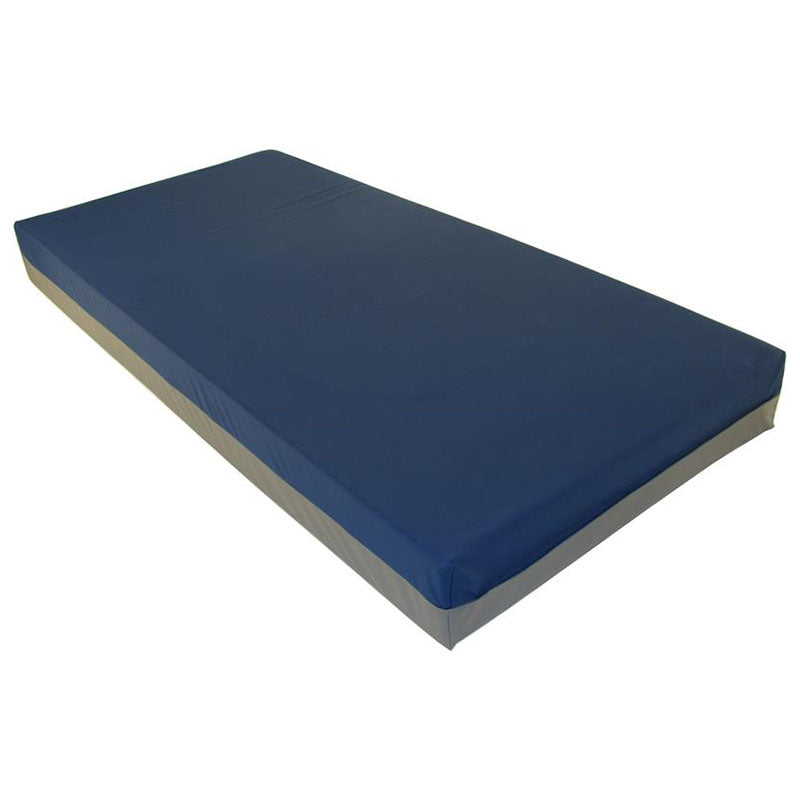
You may also like:
Hill-Rom Advance (2000 & 1000) Hospital Bed Pads
Factory Direct Ships 2-3 Days! (Estimated) More info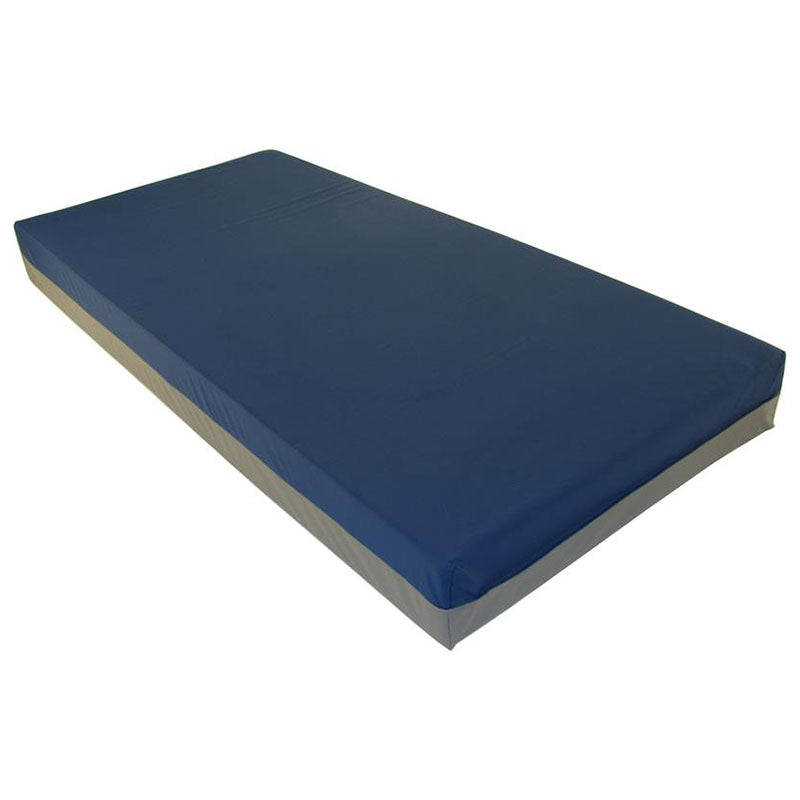
You may also like:
Hill-Rom Centra 850 Hospital Bed Pad
Factory Direct Ships 2-3 Days! (Estimated) More info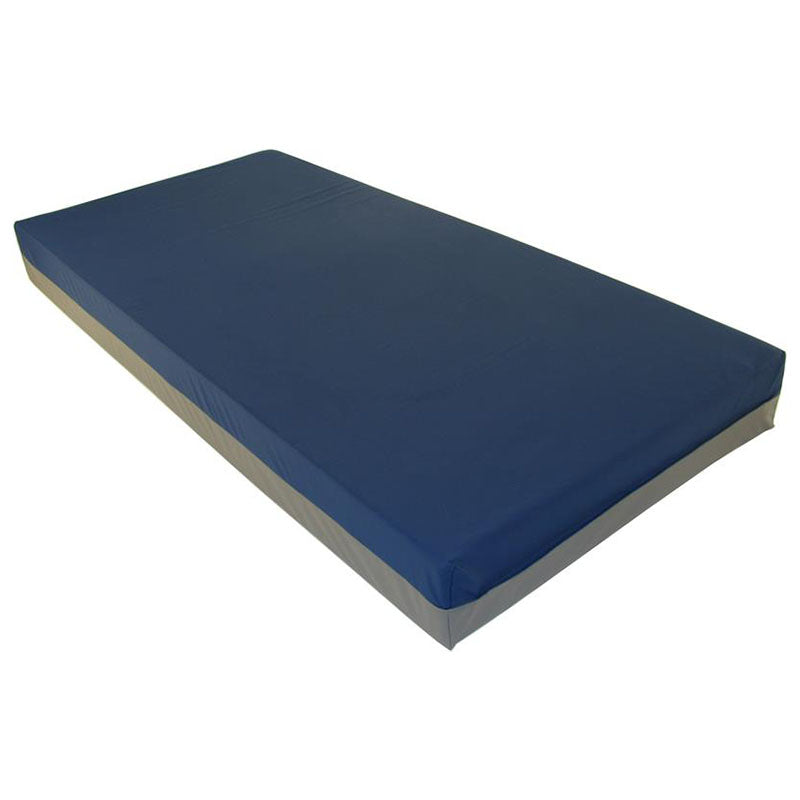
You may also like:
Hill-Rom Century Hospital Bed Pad
Factory Direct Ships 2-3 Days! (Estimated) More info
You may also like:
Hill-Rom (820, 835, 840) Advanced Hospital Bed Pad
Factory Direct Ships 2-3 Days! (Estimated) More info
You may also like:
Hill-Rom (820, 835, 840) Assure II Hospital Bed Pad
Factory Direct Ships 2-3 Days! (Estimated) More info
You may also like:
Stryker GO Bed Side Rail Pads
Factory Direct Ships 1-2 Weeks! (Estimated) More info
You may also like:
Stryker Secure II Side Rail Pad
Factory Direct Ships 1-2 Weeks! (Estimated) More info
You may also like:
Stryker Acute Care Assure II Hospital Bed Pad
Factory Direct Ships 1-2 Weeks! (Estimated) More info
You may also like:
Stryker Advanced Acute Care Hospital Bed Pad with Viscotech Pressure Redistribution
Factory Direct Ships 1-2 Weeks! (Estimated) More info
You may also like:
Stryker Acute Care Siderail Pads
Factory Direct Ships 1-2 Weeks! (Estimated) More info
You may also like:
Stryker Assure II Hospital Bed Pad – Pressure-Redistributing Medical Foam Mattress with Fluid-Proof Anti-Microbial Cover
Factory Direct Ships 1-2 Weeks! (Estimated) More infoFrequently Asked Questions
Find answers to commonly asked questions below.
-
What are the pads on hospital beds called?
The pads on hospital beds are commonly called bed pads or underpads, and they serve as protective layers to keep the mattress clean and dry. These pads are typically absorbent and waterproof, designed to manage incontinence, spills, or bodily fluids during patient care. They are placed on top of the sheet or mattress for easy removal and replacement, ensuring hygiene and comfort for patients.
-
What is the medical term for bed pads?
The medical term for bed pads is often incontinence pads or underpads, depending on their intended use. In clinical settings, they may also be referred to as chux pads, which are disposable absorbent pads used to protect bedding and furniture. These pads are essential for infection control and patient comfort, especially in hospitals, nursing homes, and home care environments.
-
What is the difference between bed pads and underpads?
The difference between bed pads and underpads lies mainly in their design and usage. Bed pads can be reusable or disposable and are generally larger, covering a significant portion of the bed for added protection. Underpads, often called chux, are usually disposable and placed under patients to absorb moisture and prevent soiling of sheets and mattresses. While both serve similar purposes, underpads are more commonly used in medical settings for quick changes, whereas bed pads may be used for long-term protection at home.
-
How to protect bed from kids pee?
To protect a bed from kids’ pee, the best solution is using a waterproof mattress protector. These protectors create a barrier that prevents urine from soaking into the mattress, reducing odors and bacterial growth. Choose a breathable, fitted protector to maintain comfort and avoid overheating. For extra security during potty training, you can layer absorbent pads or use washable bed pads on top of the sheet. Regular cleaning and changing of sheets and protectors ensure hygiene and prolong mattress life.


