




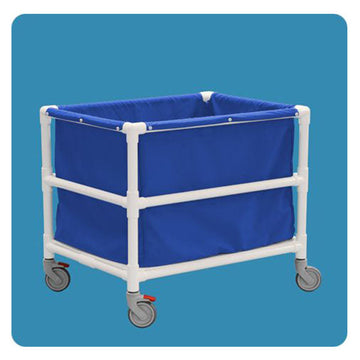

MJM PVC Emergency Crash Cart
Healthcare-grade PVC emergency cart that cannot rust and wipes down clean between codes.
View product
Rescue Supply · Emergency Response
A code cart earns its keep in the first two minutes of an emergency, and only if everything on it is present, in date and working. This guide sets out the drawer-by-drawer contents, the monthly check routine that keeps the cart survey-ready, and how to choose the cart itself.

Cart layouts vary by facility, but the logic is constant: the items needed first sit highest, and every drawer has one job. Use the layout below as the framework, then set your exact contents from your facility's approved list and your medical director's protocols.
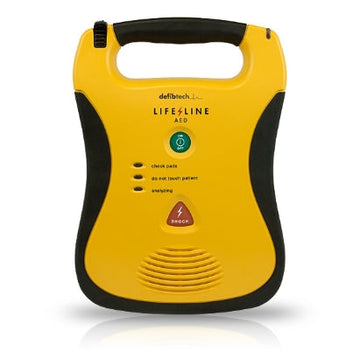
The defibrillator or monitor-defibrillator lives on top, with its pads or paddles, a mounted suction unit, an oxygen cylinder in its holder, and the cart's check log. A backboard or CPR board rides on the back or side of the cart, never buried under supplies.
Endotracheal tubes in the unit's size range, laryngoscope handles and blades with spare batteries and bulbs, oral and nasal airways, a bag-valve mask with reservoir, oxygen masks and cannulas, suction catheters and a Yankauer tip.
IV catheters across gauge sizes, start kits and dressings, administration tubing, extension sets, IV fluids, tape and securement, syringes and needles for line placement, and labels for every line started during the code.
The resuscitation medications your protocol stocks, in the concentrations your team trains on, arranged in the same order on every cart in the building. Medication drawers are where consistency matters most: one layout, everywhere, no exceptions.
Intraosseous access, central line and cutdown kits where your scope includes them, blood draw supplies, a tourniquet, dressing and splinting basics, and spare suction and oxygen consumables.
Code record sheets, a timer or clock check, spare defibrillator pads and paper, batteries, and the unit's emergency phone list. Pediatric areas run a dedicated pediatric cart or a length-based tape system alongside the adult cart.
A sealed cart with a current check log is presumed stocked. That presumption only holds if the monthly full check actually happens, on schedule, with the drawers open. Run it in this order:

Surveyors read a crash cart the way an auditor reads a ledger. Three systems make the cart easy to defend:
Each seal carries a unique number recorded on the check log. Daily rounds confirm the seal is unbroken and the number matches, which takes seconds and replaces opening the cart daily.
Date every item, stock new items behind old ones, and let the earliest expiry on the cart drive the check cycle. Carts checked monthly rarely surprise anyone; carts checked 'when someone remembers' do.
The check log, the seal number and the cart's contents list must agree with each other and with the physical cart. Discrepancies between paper and cart are the finding surveyors write up most.
The cart lives in one signed, unobstructed location on each unit, close to the patients it serves. A perfectly stocked cart behind a locked door or a cluttered alcove fails the only test that matters.
The Joint Commission's medication management and provision of care standards expect emergency equipment and medications to be available, checked per facility policy and secured appropriately. A consistent check routine, documented as it happens, is what turns that expectation into a non-event at survey.
Contents get the attention, but the cart decides how the system runs day to day. Four decisions matter:
Full hospitals run five or six drawers; clinics, dental and outpatient surgical settings often run compact carts with fewer, deeper drawers. Count the drawers against your contents list, and leave one drawer of growth room.
Steel and aluminum carts are the hospital standard. Healthcare-grade PVC carts, like the MJM range below, cannot rust, clean up easily and suit wet or corrosive environments and facilities that prefer a lighter cart to move.
Breakaway seals for carts checked as a system, keyed locks where controlled medications need a second barrier, and electronic or badge access on high-value carts. The lock should match your medication storage policy, not the other way round.
An oxygen tank corral, a CPR board with its storage bag, an IV pole, a suction mount and a dust cover for carts stored in open corridors. Each accessory should map to a line in your check routine.
Healthcare-grade PVC crash carts from MJM International, active and stocked on the store, plus the CPR board that rides with them.
Healthcare-grade PVC emergency cart that cannot rust and wipes down clean between codes.
View product
PVC crash cart with an integrated oxygen corral and CPR board support built in.
View product
Woodtone-finish crash cart for long-term care and behavioral settings where institutional red does not fit the room.
View product
The rigid backboard every cart needs for effective compressions on a soft bed, with its storage bag.
View product 01
The full cart range: emergency, specialty and storage carts for every unit type.
Browse the collection 02
Jump bags and response kits that carry the same airway and IV basics out of the building.
Browse the collection 03
Organised medical kits for clinics, schools and response teams.
Browse the collection 04
Outfitting several units or a whole facility? One quote covers carts, contents and accessories.
Browse the collectionMost facilities check the cart seal and defibrillator status daily, and run a full contents check monthly and after every use. The full check confirms every item on the cart list is present, in date and working, from airway supplies down to a charged defibrillator battery. Follow your facility policy and equipment manufacturer instructions, and keep the signed check log with the cart.
There is none in practice: crash cart, code cart and emergency cart are three names for the same stocked resuscitation trolley. What matters is that everyone on the unit knows where it is, what is in it, and that its contents match the approved list for the patients that unit serves.
Airway and breathing supplies are usually kept in the top drawer because they are needed first: endotracheal tubes, laryngoscope handles and blades, oral and nasal airways, a bag-valve mask, suction catheters and oxygen delivery devices. Exact contents follow your facility's approved cart list and the protocols your medical director has adopted.
A numbered breakaway seal threads through the cart's latch so the cart stays closed but opens with one pull. If the seal number matches the check log and the seal is intact, the contents are known to be complete without opening every drawer. Any broken or mismatched seal triggers a full contents check and restock before the cart goes back into service.
Match the cart to the emergencies your setting can actually treat and transfer. A compact multi-drawer cart with airway, IV access and cardiac medication drawers covers most outpatient settings, while hospitals and surgical centers usually run full-size carts with a defibrillator mounted on top. Pediatric settings need a dedicated pediatric cart or a length-based pediatric system, not a scaled-down adult cart.
The rule in most facilities is simple: the team that used the cart starts the restock, and a named owner, often the charge nurse or a central supply technician, completes the check, reseals the cart and signs the log before it returns to its station. A cart with a broken seal and no completed check should never be treated as ready.
Keep Reading
Hospitals & Clinics
Tell us the units, the cart count and your contents standard, and we will quote carts, boards, covers and accessories as one institutional order.
Product selection guidance is informational. Check current specifications, availability, manufacturer instructions and any applicable clinical, safety or regulatory requirements before purchasing.